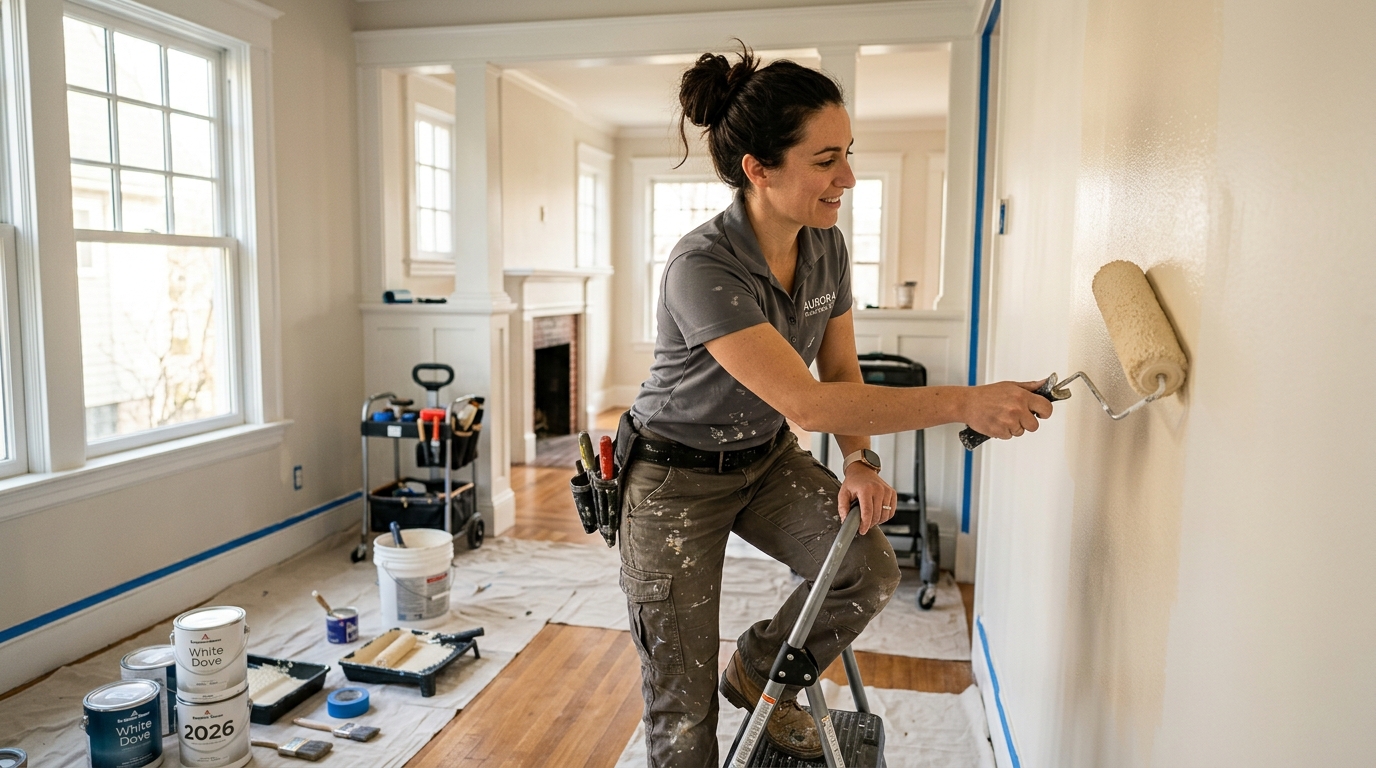
How to Start a Painting Business: Licensing, Pricing & First Clients (2026)
14 min read·Updated March 20, 2026In 2026, the residential and commercial painting industry continues to be one of the most resilient sectors in the home services market, with a projected annual growth rate of 4.2%. Aspiring entrepreneurs are drawn to the low barrier to entry, but the difference between a struggling solo-painter and a high-six-figure company lies in professional systems and accurate financial modeling. This guide provides a comprehensive roadmap for launching your painting business, focusing on the critical pillars of legal compliance, precision estimating, and modern client acquisition. Whether you are transitioning from a crew lead to an owner or starting fresh, mastering these fundamentals is the only way to avoid the 'low-bid' trap and build a sustainable brand.
Table of Contents
Establishing Legal Foundations and Licensing Requirements
Choosing the Right Business Structure
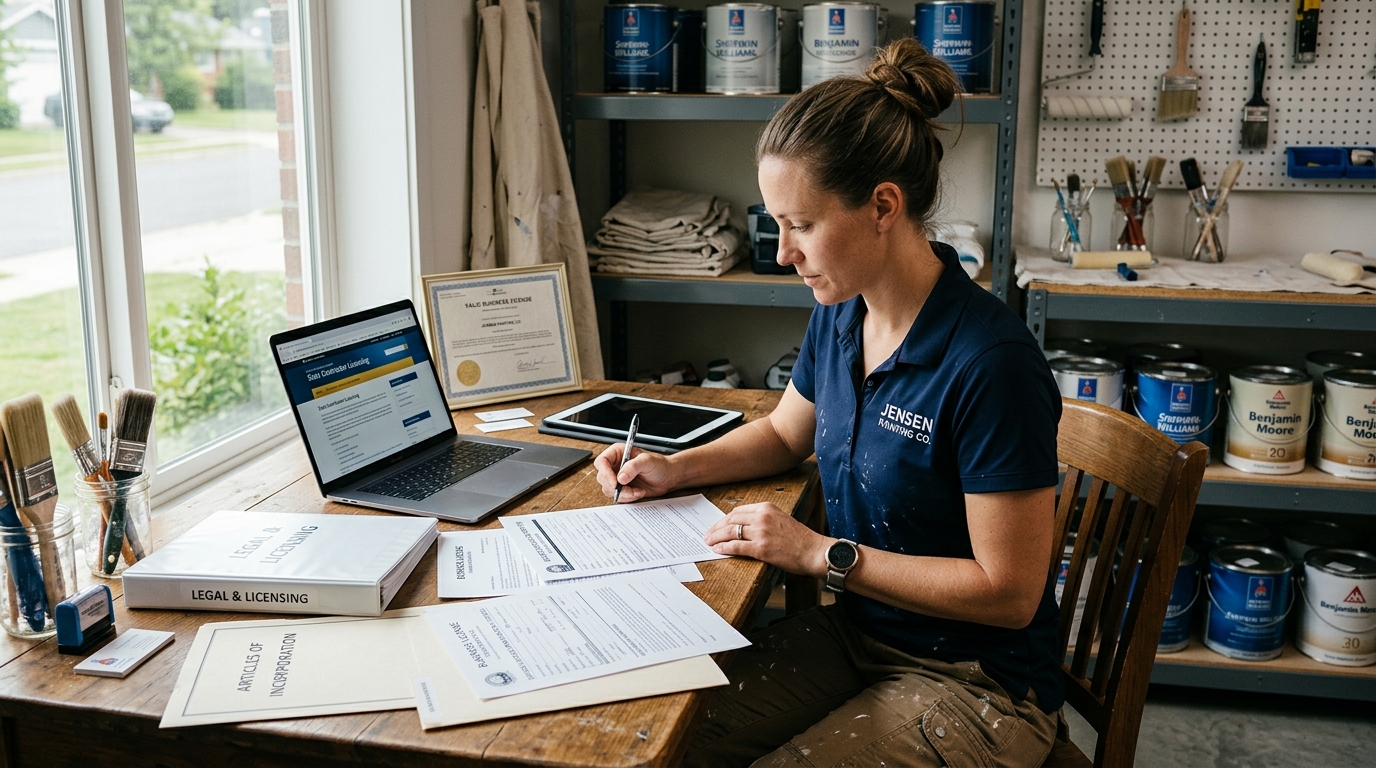
Before you pick up a brush, you must decide how your business will be legally organized to protect your personal assets. Most painting contractors opt for a Limited Liability Company (LLC) because it separates personal finances from business liabilities, which is crucial when working on high-value residential properties. Registering your LLC typically costs between $50 and $500 depending on your state, and it provides the professional credibility needed to sign contracts with commercial property managers.
While a Sole Proprietorship is the simplest form of business, it offers zero protection if a ladder falls through a client’s custom bay window or if a sub-contractor gets injured. In 2026, savvy owners are also looking at S-Corp elections once they surpass $75,000 in annual profit to optimize self-employment taxes. Consult with a tax professional early to ensure your structure supports your long-term scaling goals without creating unnecessary tax burdens.
Once your structure is set, obtain your Federal Employer Identification Number (EIN) from the IRS, which is free and required for opening a business bank account. You should also check local municipal requirements for a general business license, as some cities require a specific 'Home Improvement Contractor' registration. Keeping these documents organized in a digital CRM like Hulo ensures you are always ready for audits or when applying for large-scale commercial tenders.
Navigating State Licensing and RRP Certification
Licensing for painting contractors varies wildly across the United States, with states like California and Arizona requiring a specific 'C-33' Painting and Decorating license. These licenses often require four years of journey-level experience, a passing grade on a trade exam, and a background check. Failing to secure the proper license can result in massive fines, sometimes exceeding $5,000 per violation, and may prevent you from legally enforcing your contracts in court.
Beyond trade licenses, if you plan to work on homes built before 1978, you MUST obtain the EPA Lead-Safe Certification (RRP). This involves an 8-hour training course that teaches you how to contain lead dust during sanding and scraping to prevent lead poisoning. The certification costs roughly $300 and is valid for five years, but the penalties for non-compliance are severe, with fines reaching up to $37,500 per day per violation.
Verify your state’s bonding requirements as well, which act as a guarantee to the state that you will follow all regulations. A typical $15,000 surety bond might only cost you $150 to $300 annually if you have decent credit. This bond, combined with your RRP certification, should be prominently displayed on your website and marketing materials to build trust with safety-conscious homeowners.
Securing Comprehensive Insurance Coverage
General Liability (GL) insurance is non-negotiable for any professional painting contractor, typically requiring a $1,000,000 per occurrence and $2,000,000 aggregate limit. This coverage protects you against property damage—like spilling a five-gallon bucket of 'Naval' blue on a white Berber carpet—and bodily injury claims from third parties. Expect to pay between $800 and $2,500 annually for a GL policy based on your projected revenue and crew size.
If you hire employees, Workers' Compensation insurance is legally required in almost every state and covers medical costs and lost wages for work-related injuries. Even if you are a solo operator, some general contractors will require you to carry 'Ghost' Workers' Comp policies to prove you won't sue them if you get hurt on their site. Additionally, Inland Marine insurance is vital for painters to cover their expensive sprayers and tools while they are in transit or stored at a job site.
Professional painting businesses should also consider an Umbrella policy for an extra layer of protection, especially when working on commercial projects with high traffic. Many commercial contracts will stipulate that you carry at least $5,000,000 in total coverage. Having these certificates of insurance (COI) ready to send via your CRM software allows you to close deals faster than competitors who have to call their agents every time a client asks for proof.
| Item | Estimated Cost | Frequency |
|---|---|---|
| LLC Registration | $50 - $500 | One-time |
| General Liability Insurance | $800 - $2,500 | Annual |
| EPA RRP Certification | $300 | Every 5 Years |
| Surety Bond ($15k) | $150 - $300 | Annual |
| Trade License Fee | $200 - $600 | Annual/Biennial |
Initial Legal and Insurance Cost Estimates
Key Takeaway: Never start a job without an LLC, General Liability insurance, and EPA RRP certification, as the legal risks of non-compliance far outweigh the initial setup costs.
Essential Painting Equipment and Startup Costs
Professional Grade Spraying Systems
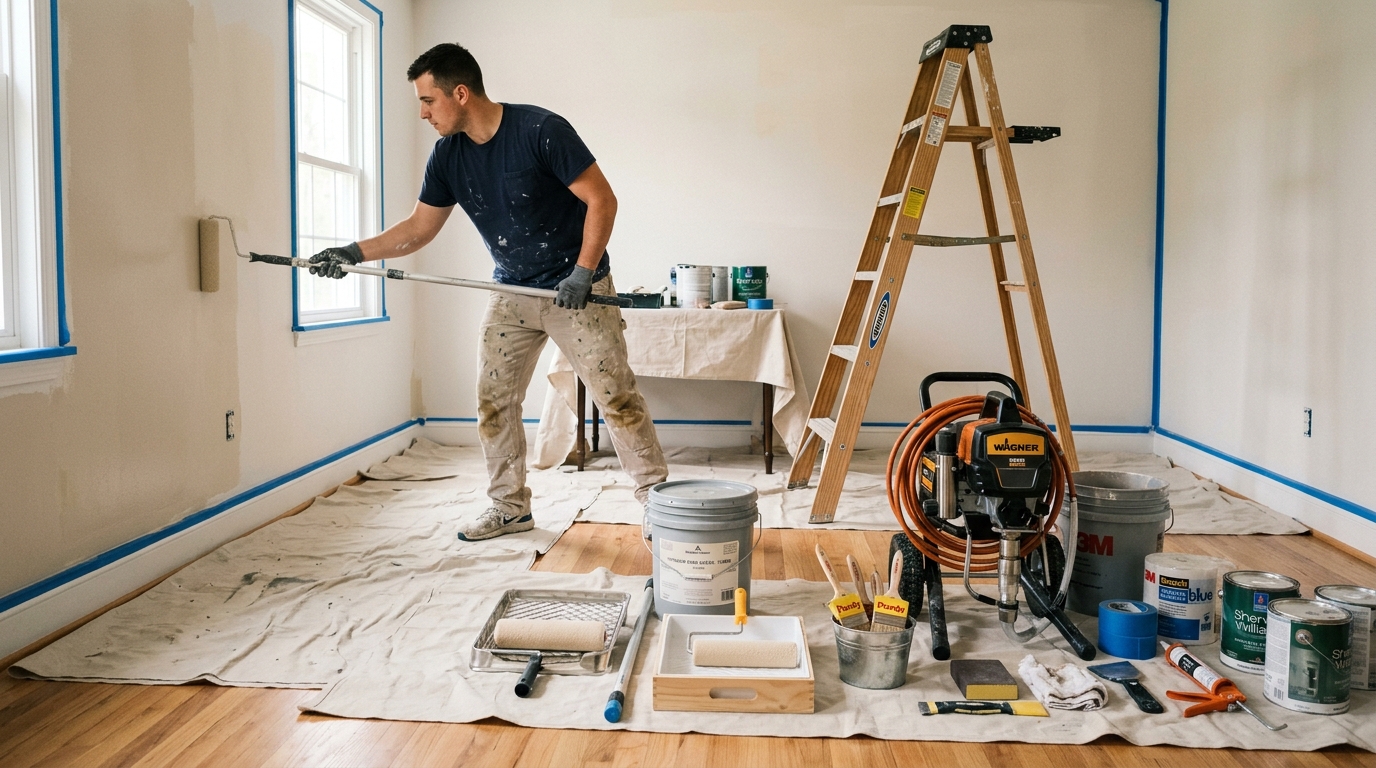
While many beginners start with a brush and roller, professional airless sprayers are the key to high-production exterior and commercial work. The Graco Ultra Max II 490 or the Titan Impact 440 are industry standards for residential contractors, offering the durability to pump 0.54 gallons per minute. These units typically retail between $1,200 and $1,800 but pay for themselves within the first three exterior house repaints by cutting labor time by 50% compared to hand-rolling.
For specialized work like cabinet refinishing, you will need a High-Volume Low-Pressure (HVLP) system, such as the Graco FinishPro HVLP 9.5. HVLP sprayers provide a furniture-grade finish with minimal overspray, which is essential for the high-end kitchen market where clients pay $5,000 to $10,000 for a refinish. Investing in a dedicated fine-finish sprayer allows you to charge premium rates that general 'bucket and brush' painters simply cannot access.
Maintain your sprayers religiously by using pump armor and cleaning filters after every shift. A clogged manifold filter or a worn-out spray tip (like a 515 or 517 for walls) can cause 'fingering' in the spray pattern, leading to uneven coverage and costly rework. Always keep a backup repair kit and extra tips in your van to avoid losing a full day of production to a simple mechanical failure.
Ladders, Scaffolding, and Surface Prep Tools
Your ladder setup determines both your safety and your efficiency on exterior jobs. A professional kit should include a 24-foot or 28-foot fiberglass extension ladder (Werner or Louisville), a 6-foot and 8-foot A-frame stepladder, and ladder stabilizers (stand-offs) to prevent damage to gutters. Fiberglass is preferred over aluminum because it is non-conductive, protecting you from electrical hazards near power lines, though it is heavier to transport.
Surface preparation is 75% of a quality paint job, so do not skimp on prep tools. High-quality scrapers, a Festool HEPA-certified dust extractor for interior sanding, and a 3,000 PSI pressure washer for exterior cleaning are essential. For interior work, the 3M Hand-Masker M3000 is a legendary tool that allows you to apply tape and plastic or paper simultaneously, saving hours of masking time on baseboards and windows.
Organization is the final piece of the equipment puzzle. A dedicated work van, like a Ford Transit or Mercedes Sprinter, allows you to organize your Purdy or Wooster brushes, rollers, and drop cloths so you aren't digging through piles of gear in front of a client. A clean, organized van is a moving billboard that signals professionalism and justifies your higher-than-average pricing.
$5,000–$12,000
Average Professional Startup Kit
Covers high-quality airless sprayer, ladders, prep tools, and initial marketing materials.
Mastering Estimating and Profitable Pricing Models

The Science of Production Rates
The most common mistake new painting owners make is 'guesstimating' based on what they think the client will pay. Professional estimating is based on production rates: the number of square feet a painter can prep and paint in one hour. For example, an average painter can roll roughly 150-200 square feet of wall space per hour; if a room has 600 square feet of wall area, you know it will take 3 to 4 hours per coat.
You must also account for 'non-painting' time, including setup, masking, clean-up, and travel. A standard 12x12 bedroom might take 2 hours to prep but only 1 hour to actually paint. By tracking these metrics on every job, you can develop a 'price per square foot' (typically $2.50 to $5.00 for interior walls) that is backed by hard data rather than intuition.
Don't forget the 'Labor Burden' when calculating your costs. This includes payroll taxes, workers' comp, and benefits for your crew. If you pay a painter $25/hour, their actual cost to the business is likely closer to $35/hour. If you don't factor this 30-40% markup into your estimates, you will find yourself with plenty of work but zero profit at the end of the year.
Calculating Material Costs and Markups
Paint prices have fluctuated significantly in 2026, with premium interior latex ranging from $50 to $90 per gallon. To estimate material needs, use the rule of thumb that one gallon covers 350-400 square feet. Always round up to the nearest gallon and add a 10% waste factor for spills, heavy textures, or color changes that require extra coats.
Professional contractors typically apply a 15% to 25% markup on materials. This covers the time spent ordering, picking up, and transporting the paint to the job site. While some clients may balk at this, explain that you are providing the expertise to select the correct finishes—such as choosing a scuff-resistant matte for high-traffic hallways or a mold-resistant semi-gloss for bathrooms.
Use a professional estimating tool to generate clean, itemized quotes. Platforms like Hulo allow you to build custom line items for different services, such as trim, ceilings, or accent walls, ensuring you never miss a detail. Sending a professional digital estimate within 24 hours of the site visit significantly increases your closing rate compared to a hand-written note on a business card.
Pro Tip: Always specify the exact paint brand and line (e.g., Sherwin-Williams Emerald) in your contract to prevent clients from comparing your premium quote to a competitor using low-grade contractor-grade paint.
Key Takeaway: Price your jobs based on documented production rates and a minimum 30% gross profit margin to ensure your business remains sustainable.
Marketing and Winning Your First High-Value Clients
Building a Digital Presence That Converts
In 2026, your website is your digital storefront, and it must do more than just look pretty. It needs to be optimized for local SEO so that when someone searches 'painter near me,' your business appears in the top results. A professional site should feature a gallery of high-resolution before-and-after photos, clear service descriptions, and an easy way for clients to request an estimate.
Instead of juggling separate tools for your website, client management, and invoicing, all-in-one platforms like Hulo let you run everything from a single dashboard for $49.99/mo. This ensures that when a lead comes in through your website, it is automatically logged in your CRM, allowing you to follow up instantly. Speed-to-lead is the single most important factor in winning residential jobs; if you call back within 5 minutes, your chances of winning the job increase by nearly 400%.
Don't ignore your Google Business Profile (GBP). Encourage every satisfied client to leave a 5-star review with photos of the completed work. High-quality reviews on Google are the primary driver of 'organic' leads, and they provide the social proof necessary to justify your premium pricing to skeptical prospects.
Strategic Networking and Lead Generation
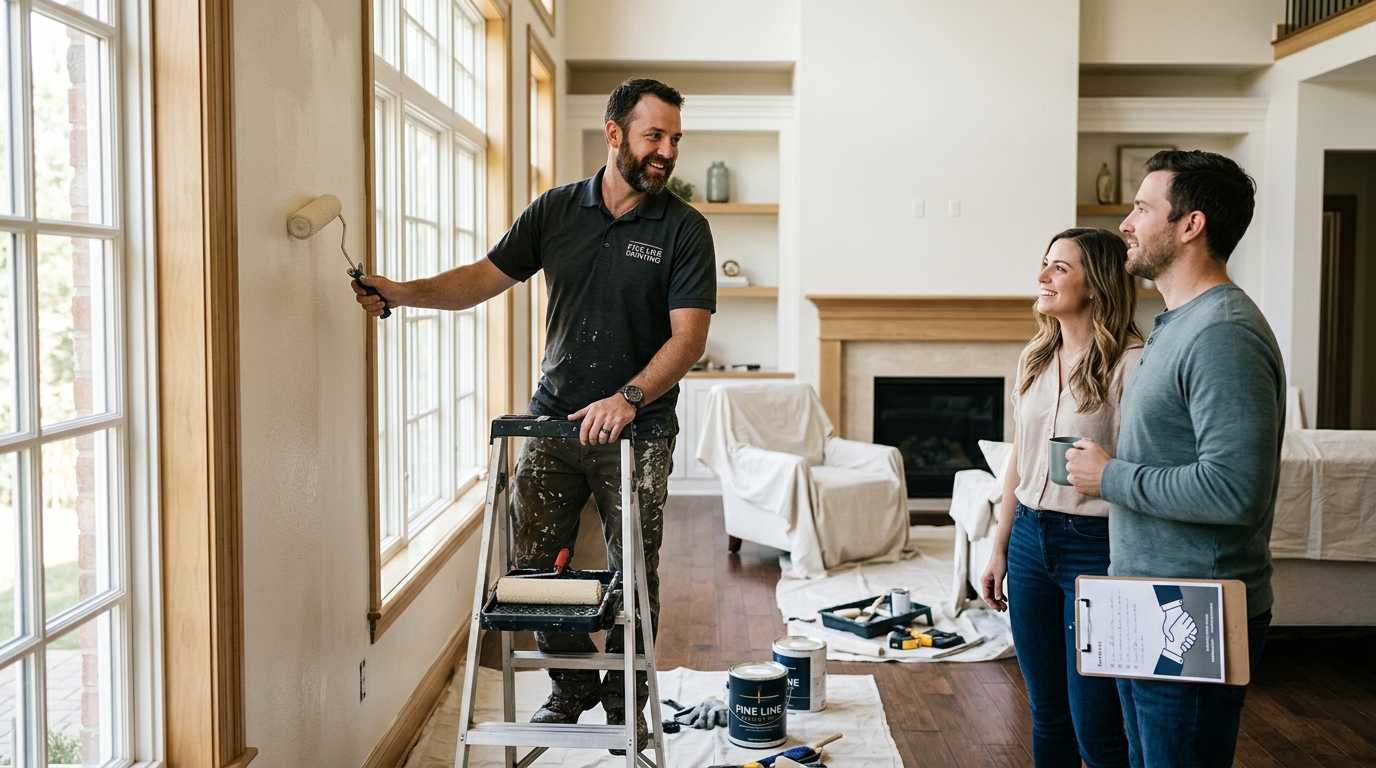
While digital marketing is powerful, the painting business still thrives on local relationships. Partner with local realtors, interior designers, and property managers who regularly interact with people needing painting services. Offer a 'referral fee' or a discount for their clients to incentivize them to keep your name at the top of their list.
Direct mail is making a comeback in 2026, specifically '9-around' door hangers. When you land a job in a high-end neighborhood, place door hangers on the three houses across the street and the three on either side. Neighbors see your branded van in the driveway for three days and are much more likely to trust you with their own home once they've seen your professional setup in person.
Commercial lead generation requires a different approach. Focus on LinkedIn to connect with facility managers and HOAs. These clients aren't looking for the cheapest price; they are looking for reliability, safety compliance, and the ability to work around their business hours. One successful commercial contract can provide enough recurring work to sustain a crew for an entire season.
Ready to put this into action?
Hulo gives you everything to run your painting business — website, CRM, scheduling, and invoicing. Join the waitlist for V2.
Join the WaitlistManaging Operations and Overcoming Trade Challenges
Mitigating Weather Delays and Scheduling
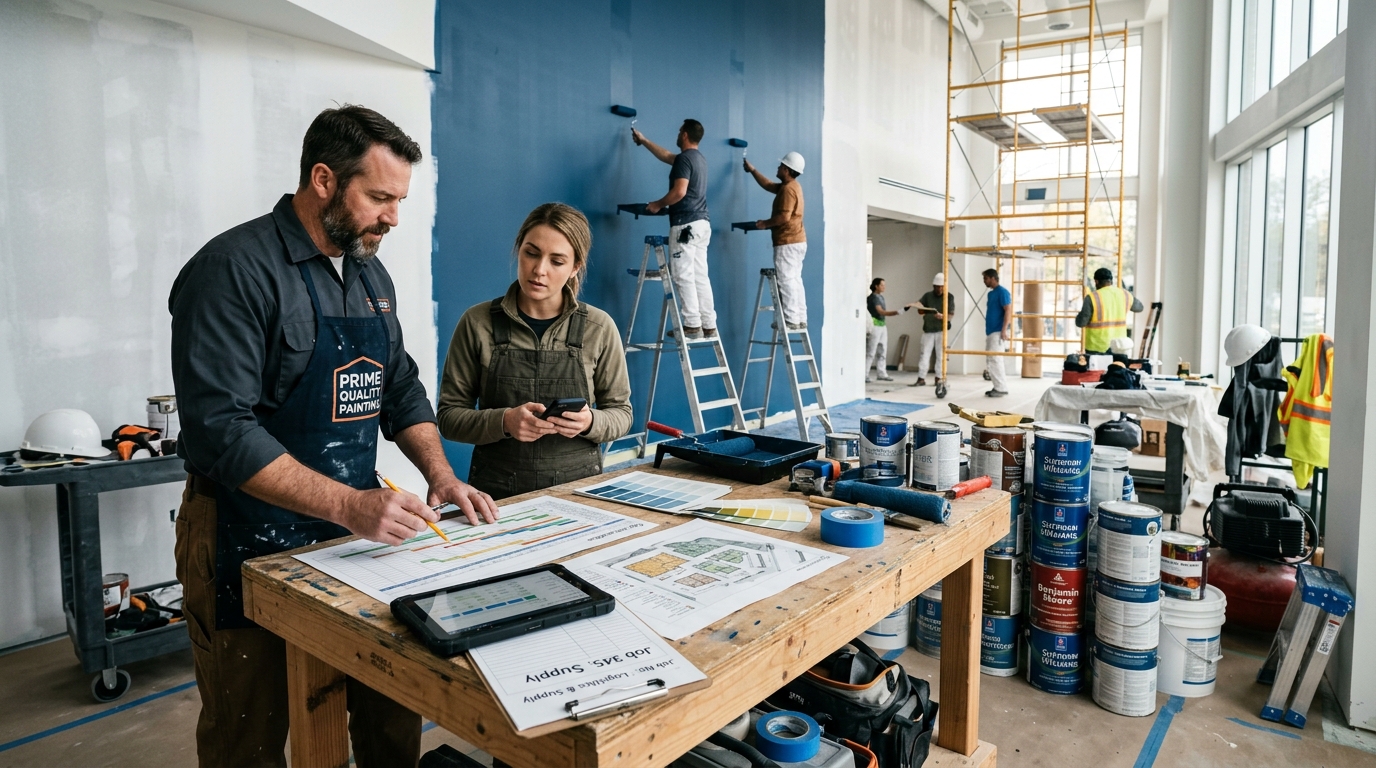
Exterior painting is at the mercy of the elements, and in 2026, unpredictable weather patterns make scheduling a constant headache. The key to managing this is a 'flexible' calendar and clear communication. Always maintain a 'rain day' list of interior jobs or shop work (like cabinet doors) that your crew can pivot to when the humidity is too high or rain is in the forecast.
Modern scheduling software is a lifesaver for painting contractors. Tools like Hulo allow you to drag and drop jobs on a calendar and automatically notify clients of schedule changes via SMS. This transparency prevents the frustration that occurs when a crew simply doesn't show up because of a morning drizzle, keeping your client satisfaction scores high even during a wet spring.
Educate your clients on the technical requirements for painting, such as the '4-hour window' before and after rain or the minimum surface temperature (usually 35°F to 50°F depending on the product). When a client understands that you are delaying a job to ensure the paint properly adheres and cures, they view you as a technical expert rather than an unreliable contractor.
Streamlining Material Management
Managing dozens of paint colors and finishes across multiple jobs can lead to expensive errors. Always use a 'Job Start' sheet that lists the exact product code, sheen (flat, eggshell, satin), and color name for every room. Never rely on the client's memory; have them sign off on a physical color swatch before the first gallon is cracked open.
Leverage 'Pro' accounts at major retailers like Sherwin-Williams or Benjamin Moore. These accounts provide tiered pricing discounts based on your annual spend and allow you to order materials via an app for job site delivery. Having paint delivered directly to the site saves your lead painter 60-90 minutes of morning drive time, which can translate to thousands of dollars in reclaimed labor over a season.
Store your leftover paint systematically. Label every can with the client's name, date, and the room it was used in. Offering to leave a labeled 'touch-up' kit with the client at the end of the job is a low-cost, high-value gesture that leads to repeat business and referrals.
| Condition | Standard Acrylic | Low-Temp Products | Action |
|---|---|---|---|
| Min Air Temp | 50°F (10°C) | 35°F (2°C) | Check surface temp |
| Max Surface Temp | 90°F (32°C) | 90°F (32°C) | Follow the shade |
| Max Humidity | 85% | 70% | Avoid painting if rising |
| Rain Forecast | 4 hrs before | 2 hrs before | Check radar frequently |
Common Exterior Painting Temperature/Humidity Limits
Financial Management and Payment Collection
Implementing a Deposit and Milestone System
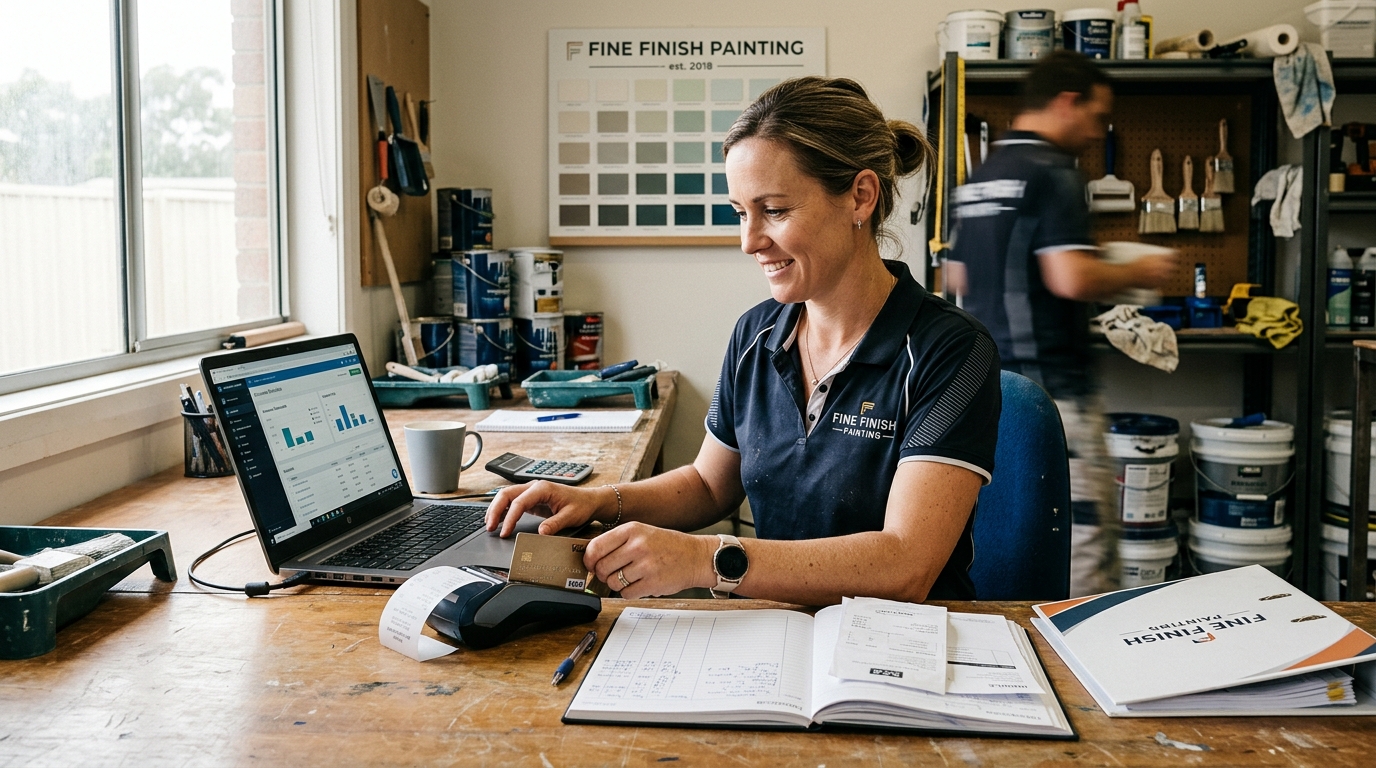
Cash flow is the heartbeat of your painting business. Never start a project without a deposit, typically 25% to 33% of the total contract value. This covers your initial material costs and ensures the client has 'skin in the game.' For larger projects lasting more than two weeks, implement milestone payments—such as a 30% payment upon completion of all exterior prep and masking.
Collecting the final payment should happen immediately upon the 'walk-through' with the client. Carry a tablet or use your phone to send the final invoice through Hulo as soon as the client signs off on the punch list. The longer you wait to send an invoice, the harder it becomes to collect, as the client's initial excitement about their fresh paint starts to fade.
Avoid the 'Check is in the mail' trap by offering digital payment options. Accepting credit cards or ACH transfers might cost you a 2.9% processing fee, but it often results in getting paid 5-7 days faster. In 2026, most residential clients prefer the convenience of paying via a secure link in their email rather than digging for a checkbook they haven't used in years.
Tracking Profitability and Overhead
To scale, you must know your numbers beyond just your bank balance. Track your 'Gross Profit' on every single job: Revenue minus Labor and Materials. If your gross profit is consistently below 40%, you are likely underpricing your work or your crew is taking too long on prep. Use this data to adjust your future estimates for similar types of homes.
Account for your 'Overhead'—the costs of running the business that aren't tied to a specific job. This includes your van payment, insurance, software subscriptions like Hulo, and marketing spend. A healthy painting business typically keeps overhead between 15% and 25% of total revenue. If your overhead is creeping higher, look for ways to consolidate tools or reduce waste in your marketing funnel.
Set aside 20-30% of every check for taxes immediately. Many new painters get hit with a massive tax bill in April because they treated their business checking account like a personal ATM. Using a separate 'Tax Savings' account ensures you are always prepared for quarterly estimated payments and avoids the stress of a surprise IRS debt.
Key Takeaway: Automate your invoicing and offer digital payment options to reduce your 'Days Sales Outstanding' and keep your cash flow positive.
Wrapping Up
Starting a painting business in 2026 offers an incredible opportunity for financial independence, provided you treat it as a professional enterprise from day one. By focusing on accurate production-based pricing, maintaining the highest safety and licensing standards, and delivering an exceptional client experience, you can quickly outshine the 'low-bid' competition. As you grow, remember that your time is your most valuable asset. Utilizing all-in-one tools like Hulo to automate your website, scheduling, and invoicing will allow you to focus on what you do best—delivering high-quality finishes and building a brand that lasts. Take the first step today by securing your equipment and setting up the digital systems that will power your future success.
Frequently Asked Questions
How much does it cost to start a painting business in 2026?
A professional startup typically costs between $5,000 and $12,000. This includes high-quality sprayers like a Graco 490, ladders, initial insurance premiums, legal filings, and a professional website and CRM platform like Hulo to manage leads.
Do I need a license to paint houses?
License requirements vary by state; some require a specific trade license (like California's C-33), while others only require a general business registration. Regardless of state laws, you must have an EPA RRP certification if you work on homes built before 1978 to handle lead-based paint safely.
How do I price a painting job accurately?
The most accurate method is using production rates (e.g., how many square feet you can paint per hour) plus material costs and a 30-50% markup for overhead and profit. Avoid flat-rate pricing without measuring the actual surface area, as this often leads to underestimating labor-intensive prep work.
What is the best way to get painting leads?
A combination of a high-converting website, Google Business Profile reviews, and local networking is most effective. Using an all-in-one platform like Hulo allows you to capture leads from your site and follow up instantly via SMS, which is critical for winning jobs in a competitive market.
Is a painting business profitable?
Yes, a well-run painting business can see net profit margins of 20% to 30%. By specializing in high-margin services like cabinet refinishing or commercial repaints and using software like Hulo to keep overhead low, owners can earn a significant six-figure income.
How do I manage my schedule and invoices as a solo painter?
You don't need a complex stack of expensive software. All-in-one platforms like Hulo bundle your professional website, CRM, scheduling, and invoicing into a single $49.99/mo subscription, making it easy to manage your entire business from your phone while on the job site.
Ready to Launch Your Painting Business?
Get your professional website, CRM, scheduling, and invoicing all in one place with Hulo for just $49.99/mo.
Join the WaitlistMore from the Blog
11 Proven Ways to Get Paint Leads for Painting Contractors (2026)
Generating high-quality paint leads requires a combination of optimized Google Business Profiles, targeted Local Service...
9 Expert Strategies on How to Price Painting Jobs for Professional Contractors (2026)
Professional painting contractors typically charge between $1.50 and $4.00 per square foot or an hourly rate of $50 to $...
9 Simple Contractor Invoice Template Tips for Plumbers (2026)
A professional contractor invoice template for plumbers must include your business details, the client's information, a ...