9 Expert Strategies on How to Price Painting Jobs for Professional Contractors (2026)
18 min read·Updated March 20, 2026Professional painting contractors typically charge between $1.50 and $4.00 per square foot or an hourly rate of $50 to $90 per painter in 2026. To accurately price jobs, you must calculate total surface area, factor in a 15% to 20% material markup, and ensure a minimum 30% gross profit margin to cover overhead. In this guide, you will find exact pricing formulas for interior and exterior projects, plus strategies to navigate the rising costs of premium coatings. We will explore how to avoid the common pitfalls of underbidding so you can secure high-value contracts and grow your business sustainably.
Table of Contents
How to Price Painting Jobs for Beginners?
Determining Your Base Hourly Rate
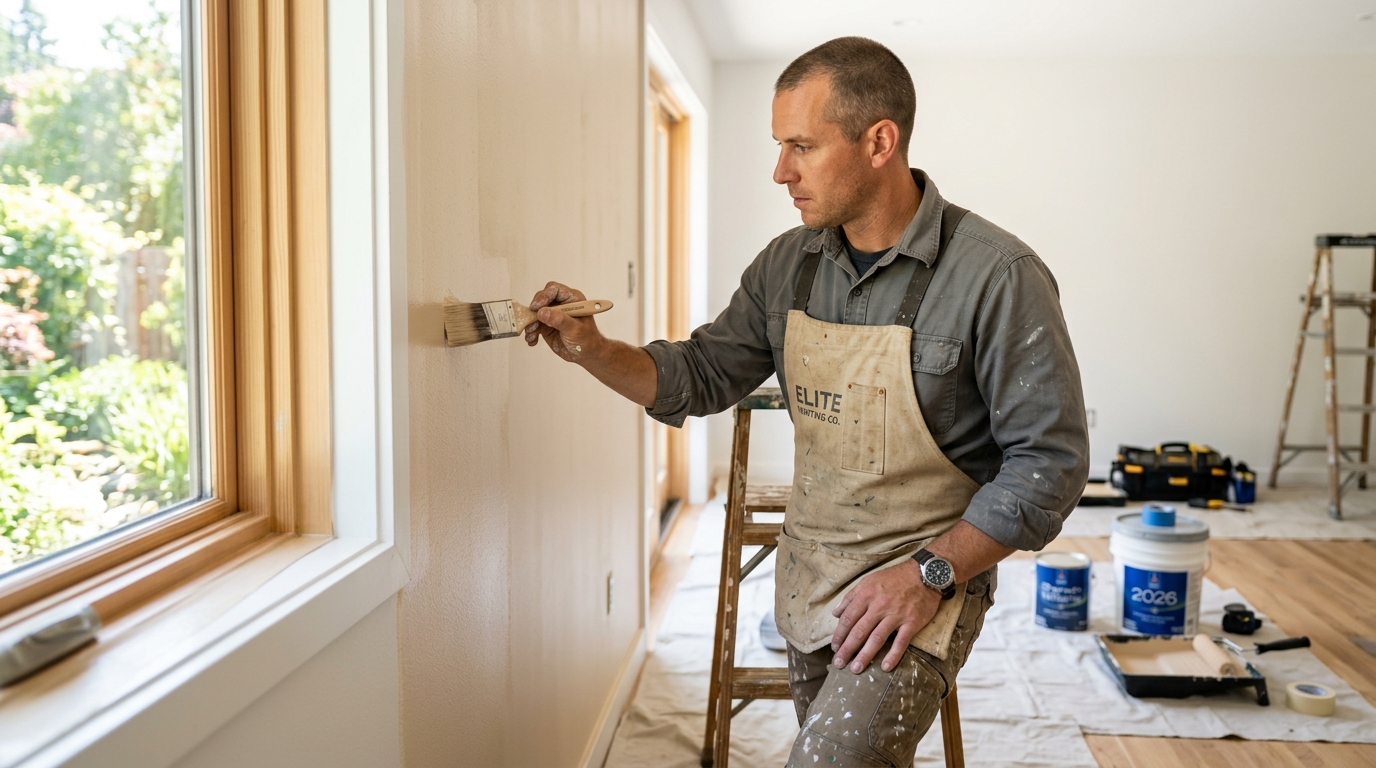
Setting a base hourly rate is the foundational step for any new contractor learning how to price painting jobs for beginners. In 2026, the industry standard for a solo owner-operator ranges from $55 to $85 per hour, while companies with crews must bill between $70 and $110 per man-hour to cover insurance and taxes. You must account for your desired annual salary, which for many skilled painters is $65,000 to $90,000, and divide that by roughly 1,500 billable hours per year.
Your hourly rate must also include a 'burden' factor, which covers employer-paid taxes, workers' compensation insurance, and general liability coverage. For example, if you pay a lead painter $30 per hour, their actual cost to the business is often closer to $42 per hour once these variables are added. Beginners often make the mistake of charging only for their time on the wall, forgetting that travel time and setup can consume 15% of a typical workday.
To remain competitive in local markets like Austin or Charlotte, beginners should research the 'going rate' but avoid a race to the bottom. Pricing your services at $40 per hour might win you the job today, but it will likely lead to business failure within 18 months due to insufficient cash flow. Established firms often use a 50% labor burden multiplier to ensure that every hour billed contributes significantly to the company's bottom line and future growth.
Calculating Paint and Material Coverage
Accurately estimating material costs requires understanding that a standard gallon of high-quality paint like Sherwin-Williams Emerald covers approximately 350 to 400 square feet per coat. For a standard 12x12 bedroom with 8-foot ceilings, you are looking at roughly 384 square feet of wall space, requiring two gallons for a two-coat finish. Beginners should always add a 10% waste factor to their material estimates to account for spills, roller soakage, and touch-ups.
In 2026, premium architectural coatings have seen a price increase of 4% to 7% annually, making it vital to check current wholesale pricing before submitting a bid. A gallon of premium eggshell finish can range from $65 to $95 retail, but as a contractor, your pro-discount might bring that down to $45 or $55. If you fail to account for these fluctuations, a single large exterior project could result in a $1,000 loss purely on material underestimation.
Beyond just the paint, your material bid must include 'sundries' such as painter's tape, drop cloths, sandpaper, and caulking. A common industry rule of thumb is to charge $1.50 to $2.50 in sundries for every gallon of paint used on the project. For a whole-house interior job requiring 25 gallons of paint, neglecting these small items could mean losing $500 in profit that you otherwise would have captured with a detailed estimate.
Factoring in Equipment Wear and Tear
Every time you pull a Graco Ultra Max II sprayer or a Festool Planex sander onto a job site, you are depreciating expensive machinery that will eventually need replacement. Professional contractors include an equipment recovery fee in their pricing, typically calculated as 2% to 5% of the total labor cost. If you are using a $3,000 airless sprayer for a five-day exterior project, charging a $150 equipment fee ensures you have the capital to replace the pump when it inevitably fails.
Ladders, scaffolding, and brushes also have limited lifespans that must be subsidized by your clients through your pricing model. A high-quality Purdy or Wooster brush costs $20 to $35 and may only last for 10 to 15 intensive jobs before losing its shape and precision. By building these costs into your overhead, you ensure that your gear is always in top condition, which directly impacts the speed and quality of your work.
For beginners, it is helpful to track the lifespan of your most frequently used tools over a 12-month period to determine an accurate depreciation rate. If you spend $5,000 per year on tool maintenance and replacements and work 40 jobs, each job should carry at least a $125 equipment surcharge. This level of granular accounting separates the hobbyist from the professional painting contractor who plans to stay in business for decades.
$55 - $95
Average Hourly Billable Rate
Varies by region and experience level in 2026 market conditions.
Key Takeaway: Beginners should target a gross profit margin of at least 35% by combining a competitive hourly rate with a 15% markup on all materials and sundries.
What is the Best How to Price Painting Jobs Guide for 2026?
Adjusting for 2026 Material Inflation
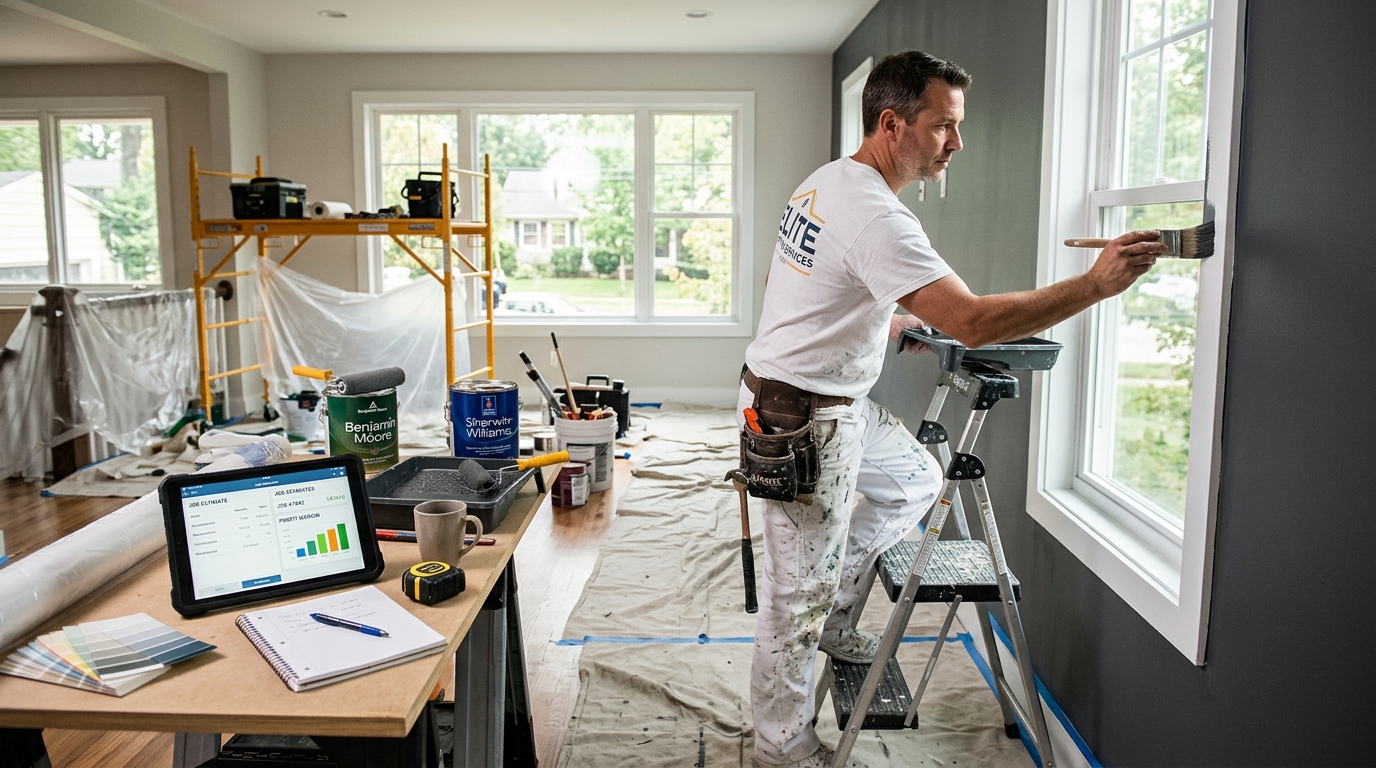
The 2026 painting market is characterized by volatile supply chains for specific resins and pigments, necessitating a more dynamic approach to how to price painting jobs guide. Contractors are moving away from fixed-price quotes that are valid for 90 days, instead opting for 15-to-30-day windows to protect against sudden cost spikes. If a gallon of Benjamin Moore Aura increases by $8 overnight, a quote signed three months ago could suddenly become unprofitable.
To stay ahead, many pros are now including a 'material escalation clause' in their contracts, allowing for a price adjustment if material costs rise more than 5% between the bid date and the start date. This transparency builds trust with homeowners who are already aware of global inflation trends and the rising cost of home improvements. In 2026, being an expert painter also means being an expert at tracking the commodities market and how it affects your chemical suppliers.
We also see a shift toward 'cost-plus' models for high-end residential work where the scope is likely to change frequently. In this scenario, you charge for the actual cost of materials plus a 20% management fee, alongside your standard hourly labor rate. This ensures that you are never left holding the bill for expensive specialty finishes or unexpected prep work that was not visible during the initial walkthrough.
Incorporating Sustainable and Low-VOC Options
Consumer demand for zero-VOC (Volatile Organic Compounds) and LEED-certified paints has reached an all-time high in 2026, and your pricing must reflect this. These eco-friendly products often require different application techniques and have higher price points than standard latex paints. For instance, a high-performance bio-based paint might cost $110 per gallon compared to $60 for a standard contractor-grade product, requiring a specific markup strategy.
Labor rates for applying these specialized coatings are often 10% to 15% higher due to the faster drying times and the need for more precise brushwork. Clients seeking sustainable options are generally less price-sensitive but expect a higher level of technical knowledge and environmental responsibility. You should market these services as a premium upgrade, emphasizing the health benefits for families and the reduced environmental footprint.
Certification from organizations like the Green Building Council can allow you to charge a 'sustainability premium' that adds another 5% to your total project bid. Professional contractors who invest in this training find that they can command higher rates in affluent urban markets where environmental impact is a primary concern. By positioning yourself as a green-certified painter, you move out of the commodity pricing bracket and into the specialist tier.
Pro Tip: Update your price list every quarter to reflect the latest invoices from your suppliers and avoid 'margin creep' caused by rising overhead.
Which Factors Determine How to Price Painting Jobs in 2026?
Surface Preparation and Condition
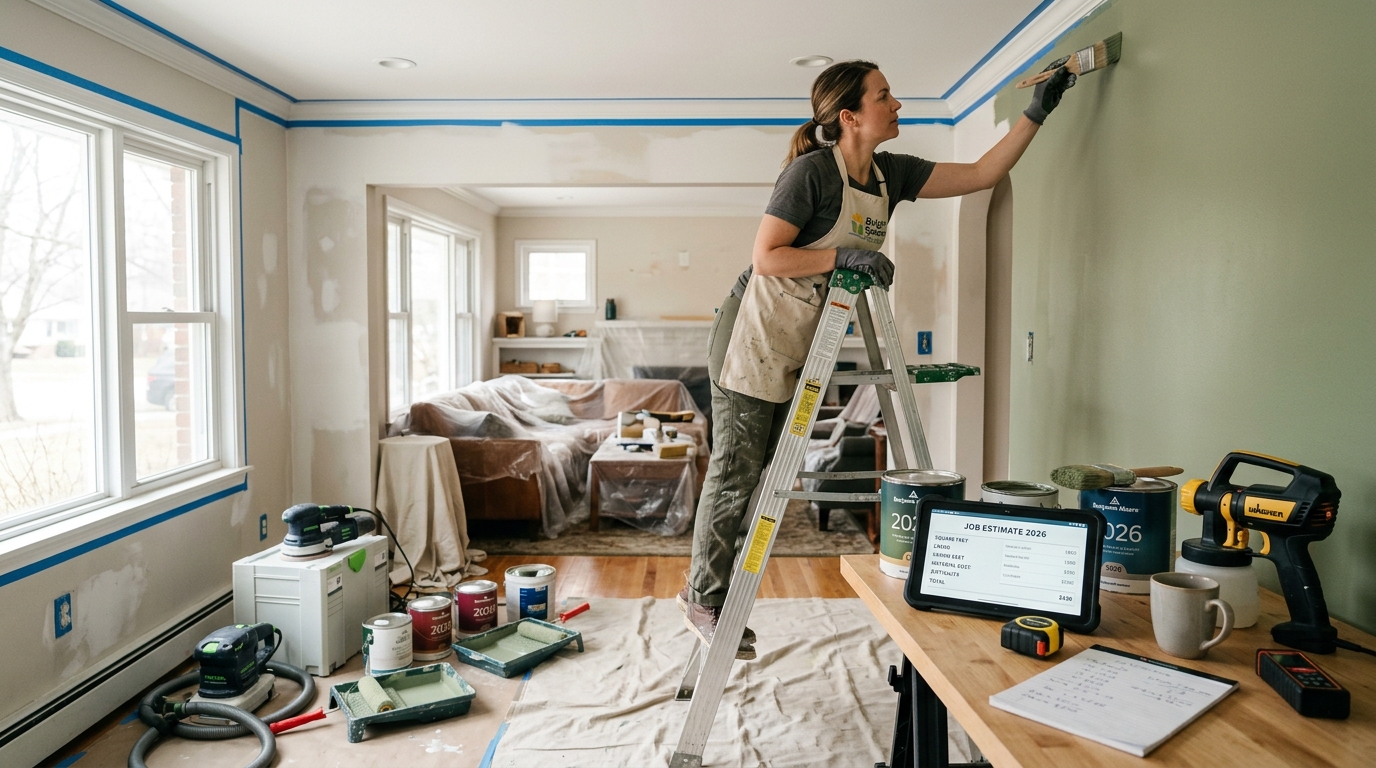
The single biggest variable in how to price painting jobs 2026 is the amount of prep work required before the first drop of paint hits the wall. A room with pristine drywall might only require 30 minutes of light sanding and dusting, whereas an older home with peeling lead paint could require 10 hours of scraping and priming. You must charge for prep work by the hour, as it is the most difficult phase of the project to estimate with 100% accuracy.
In 2026, professional painters are using moisture meters and thermal imaging to detect underlying issues like dampness or rot that could cause paint failure. If a moisture reading exceeds 15% on an exterior cedar siding job, the prep time must include drying time or the use of specialized primers. These diagnostic steps should be line-itemed in your bid to show the client the value of your professional expertise and why your price might be higher than a 'splash and dash' competitor.
Don't forget to account for the removal of wallpaper, which can be an unpredictable nightmare if the walls weren't properly sized before the paper was applied. Many contractors now charge a flat 'discovery fee' for the first room of wallpaper removal to gauge the difficulty before committing to a total price. On average, expect to charge $1.00 to $2.50 per square foot specifically for wallpaper stripping and subsequent wall repair.
Lead-Based Paint and EPA Compliance
For any home built before 1978, EPA RRP (Renovation, Repair, and Painting) compliance is a mandatory factor that significantly increases your project costs. Federal law requires specific containment procedures, HEPA vacuuming, and specialized disposal methods that can add 20% to 40% to the labor total. Failure to follow these regulations can result in fines exceeding $37,500 per day, making it a risk you cannot afford to ignore in your pricing.
You must factor in the cost of lead-safe materials like 6-mil plastic sheeting, painter's tape for sealing vents, and disposable suits for your crew. A typical lead-safe setup for a single room can cost $150 to $300 in materials alone, not including the additional 4 to 6 hours of labor for setup and cleanup. Clients need to be educated that this isn't an optional 'extra' but a legal requirement for their safety and yours.
Contractors who hold the EPA RRP certification should highlight this in their bids as a differentiator that justifies their higher pricing. In 2026, savvy homeowners are looking for the 'Lead-Safe Certified' logo and are willing to pay a premium for the peace of mind that their home won't be contaminated. This certification essentially creates a barrier to entry that allows you to charge more than uncertified, 'under-the-table' painters.
| Project Type | Unit Cost Range | Average Labor Hours |
|---|---|---|
| Interior Walls (2 Coats) | $1.50 - $3.50 / sq ft | 8 - 12 hours |
| Exterior Siding (Stucco/Wood) | $2.50 - $5.00 / sq ft | 24 - 40 hours |
| Cabinet Refinishing | $80 - $150 / per opening | 30 - 60 hours |
| Trim & Baseboards | $1.25 - $2.50 / linear ft | 4 - 6 hours |
2026 Pricing Benchmarks by Job Type
What are the Best How to Price Painting Jobs Tips for Higher Profit?
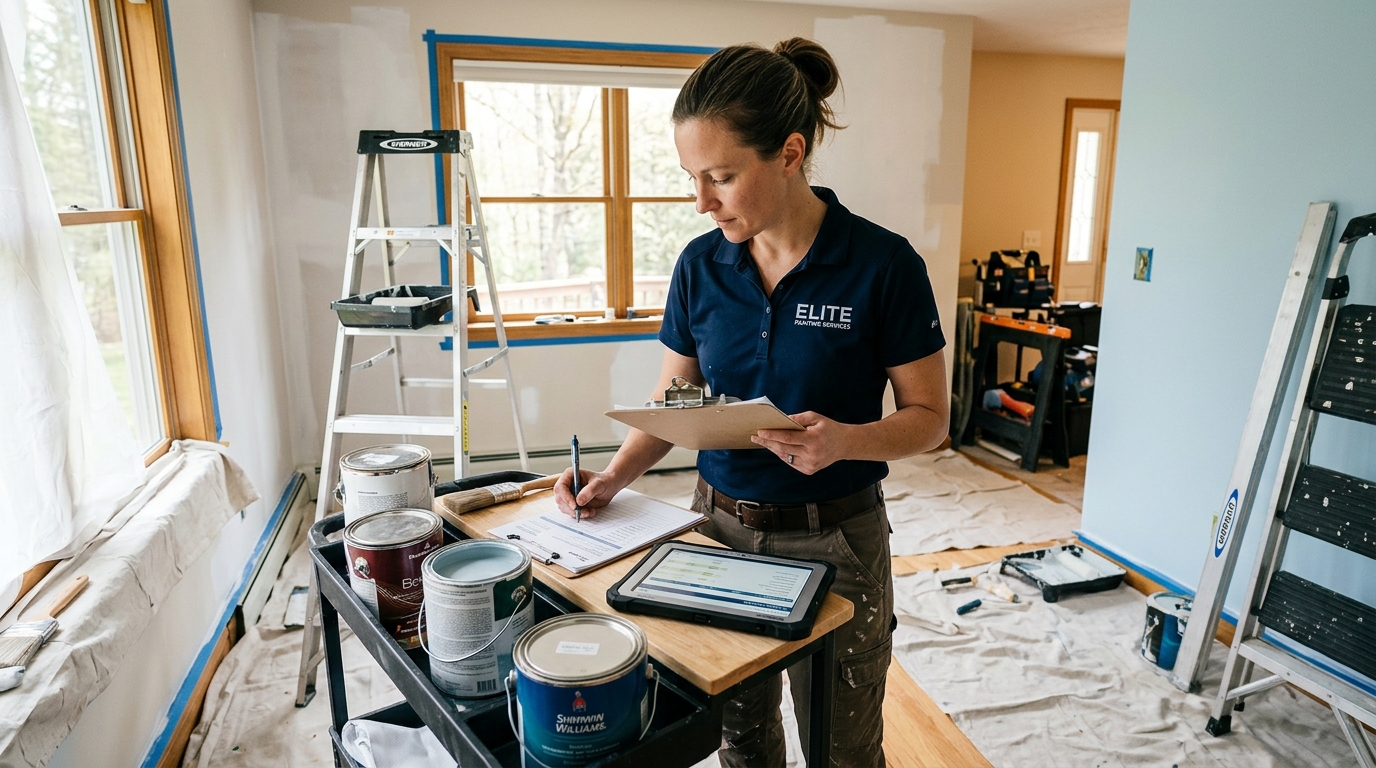
Mastering the Upsell During Estimates
One of the most effective how to price painting jobs tips is to offer tiered pricing options—Good, Better, and Best—on every single estimate. The 'Good' option might include a standard contractor-grade paint, while the 'Best' option includes premium scuff-resistant coatings and a 5-year warranty. Data shows that 60% of homeowners will choose the middle or top-tier option when presented with clear value differences, immediately increasing your job size.
Consider adding 'micro-upsells' like ceiling painting, closet interiors, or garage floor epoxy as optional add-ons at the bottom of your quote. A client might not have thought about their dingy ceilings until they see a $400 'while we are there' price tag that seems reasonable compared to the $5,000 main project. These small additions often have the highest profit margins because your crew and equipment are already on-site, reducing your overhead.
Using a professional CRM like Hulo allows you to present these options in a digital format that clients can accept with a single click from their phone. When you make it easy for clients to spend more money with you, they often will, especially if the value is clearly articulated. In 2026, the 'digital sales experience' is just as important as the quality of the cut-in line when it comes to winning high-margin work.
Implementing Efficiency Bonuses for Crews
Profitability isn't just about what you charge; it's about how quickly and effectively your crew executes the work without sacrificing quality. Many successful painting firms in 2026 use a 'labor budget' system where the crew is told exactly how many hours are allocated to a project. If they finish under the allotted time while maintaining PCA (Painting Contractors Association) standards, they receive a percentage of the labor savings as a bonus.
This system aligns the interests of the business owner with the workers, encouraging them to find ways to be more efficient with their setup and cleanup. For example, if a crew saves 10 hours on a 100-hour project, a $200 bonus for the team is a small price to pay for the increased capacity to start the next job sooner. However, this must be balanced with a rigorous quality control checklist to ensure that 'speed' doesn't lead to 'sloppiness'.
By tracking these production rates over time, you can refine your bidding process to be more accurate based on the actual performance of your specific team. If your crew consistently finishes 10% faster than your estimates, you can either lower your prices to win more work or keep them the same to enjoy higher margins. This data-driven approach is the hallmark of a scaling painting business that understands its true operational costs.
Key Takeaway: Always offer three pricing tiers to give clients a sense of control while naturally steering them toward higher-margin premium options.
Ready to put this into action?
Hulo gives you everything to run your painting business — website, CRM, scheduling, and invoicing. Join the waitlist for V2.
Join the WaitlistHow to Apply the How to How to Price Painting Jobs Framework Effectively?
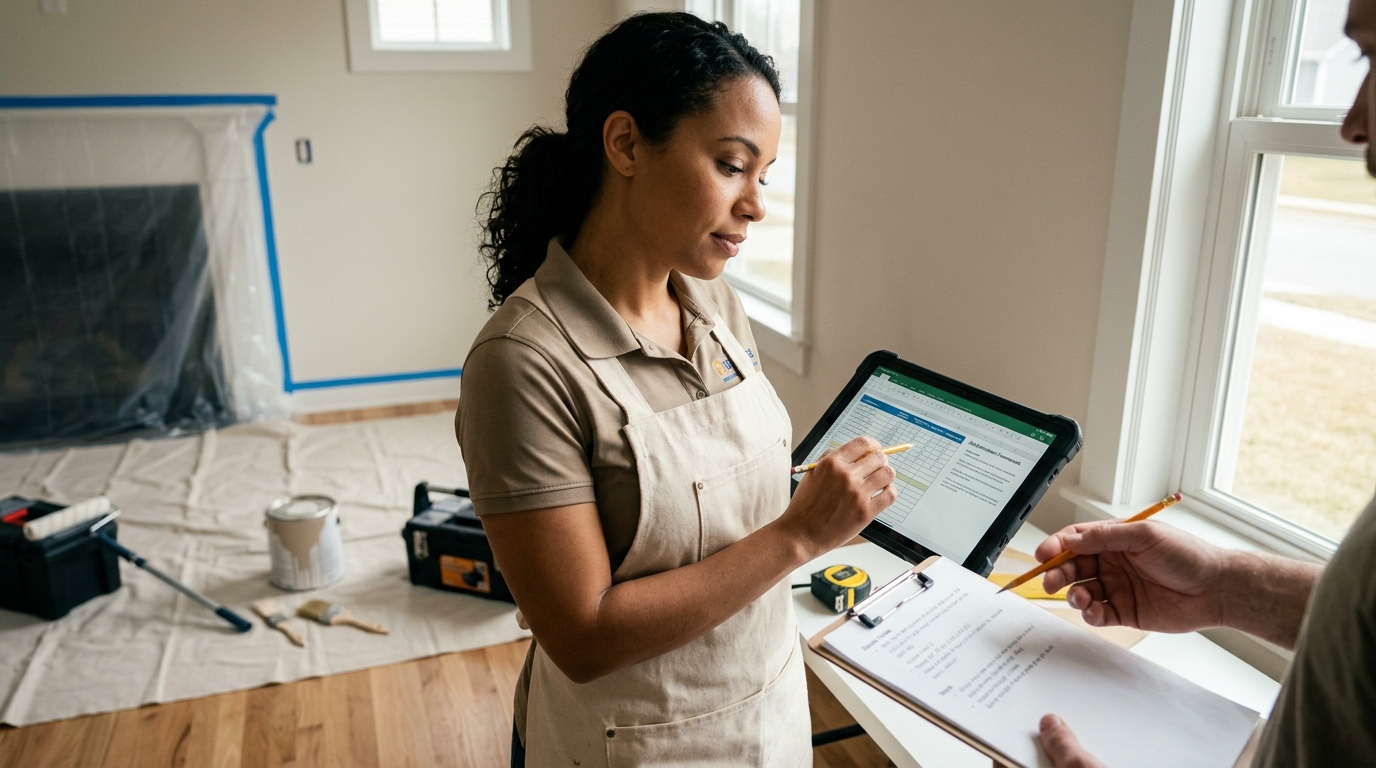
Creating a Standardized Bid Template
To maintain consistency, you must develop a standardized bid template that covers every possible expense from the moment you start the truck. This template should include sections for labor, materials, equipment fees, disposal fees, and a 10% contingency for unforeseen issues. Having a repeatable system prevents you from 'guessing' a price based on a gut feeling, which is the fastest way to lose money in the painting industry.
In 2026, your bid should also clearly define the 'Scope of Work' to prevent scope creep, which can erode your profit margins by 5% to 15%. If the contract states 'two coats of paint on walls only,' and the client asks you to 'quickly touch up the baseboards,' you have a documented basis to charge a change order fee. Clear communication at the start of the project is the best defense against the 'while you're here' requests that can derail a profitable job.
Modern software solutions like Hulo can store your production rates and material costs, allowing you to generate a professional, brand-aligned quote in under 10 minutes. This speed is a competitive advantage; a client who receives a detailed quote while you are still standing in their foyer is 40% more likely to book with you than if they have to wait three days for an email. Efficiency in the office is just as critical as efficiency on the ladder.
Conducting a Post-Job Cost Analysis
The only way to know if your pricing strategy is actually working is to conduct a 'post-mortem' or job-costing analysis after every project is completed. You should compare your estimated labor hours against the actual hours recorded on your crew's time sheets and analyze any discrepancies. If you estimated 40 hours but the job took 55, you need to identify if the issue was an under-bid or a lack of productivity on the job site.
Track your material usage just as closely, checking if the number of gallons purchased matches your initial estimate or if there was excessive waste. Over time, this data will reveal patterns—perhaps you are consistently underestimating the time it takes to paint 6-panel doors or overestimating the coverage of dark colors. Adjusting your future bids based on this real-world data ensures that your profit margins remain stable as your company grows.
A healthy painting business in 2026 should aim for a gross profit margin of 40% to 50% on residential work and 25% to 35% on commercial projects. If your post-job analysis shows you are consistently hitting 20%, you are likely one major mistake away from a financial crisis. Regular financial reviews allow you to make the necessary adjustments to your pricing before it's too late to save the fiscal year.
15% - 25%
Average Net Profit Margin
For well-managed painting firms after all expenses and owner salary.
How do you calculate labor costs for interior vs exterior projects?
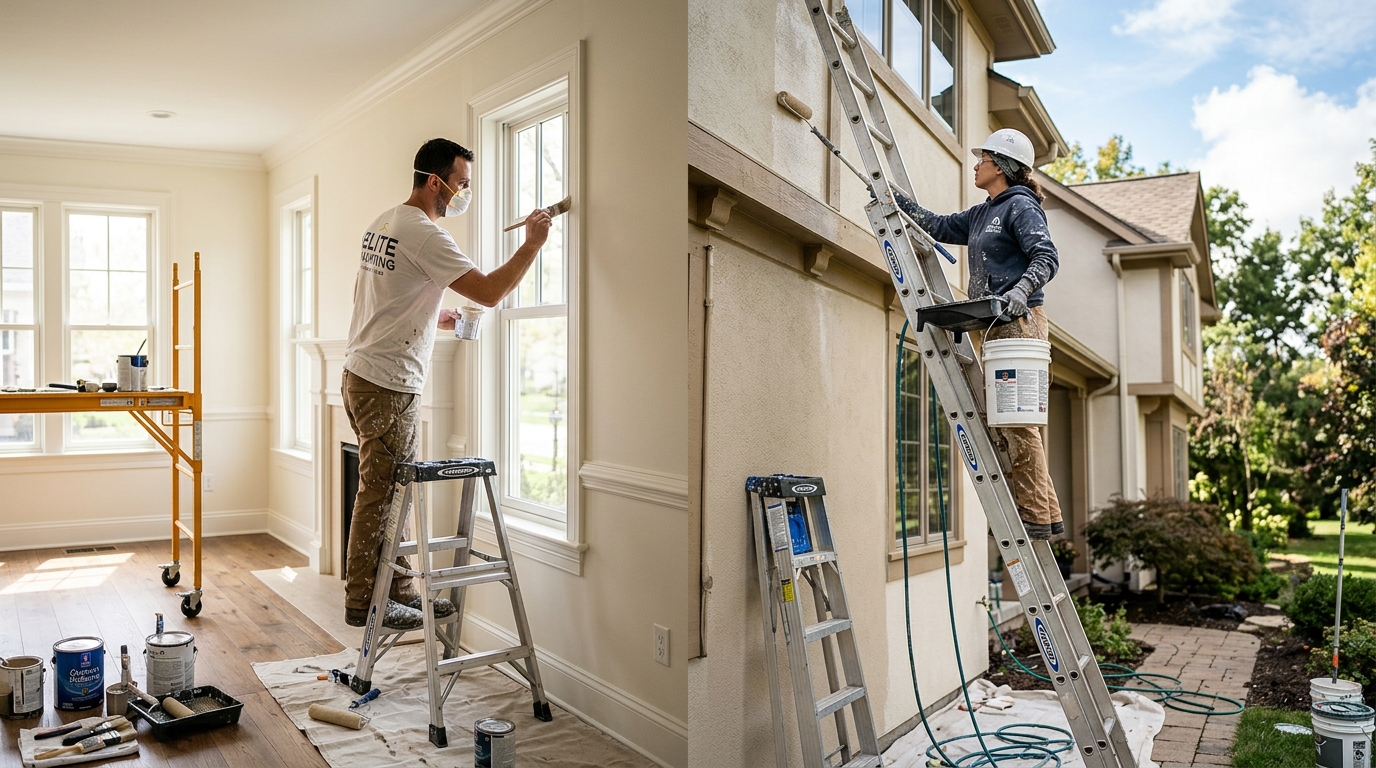
Interior Production Rates by Room Type
Interior painting is often priced by the room or by the square foot of wall space, with standard production rates guiding the labor estimate. A professional painter can typically cut and roll 150 to 200 square feet of wall space per hour under normal conditions. This means a standard 12x12 room with two coats should take approximately 4 to 6 man-hours for the walls alone, excluding prep and trim work.
Bathrooms and kitchens command a higher labor rate per square foot due to the density of fixtures, cabinets, and tiling that require careful masking and cutting. You should add a 'complexity multiplier' of 1.2x to 1.5x for these spaces to account for the slower pace of work. Similarly, rooms with vaulted ceilings or intricate crown molding require more ladder moves and detail work, which must be reflected in your hourly labor allocation.
In 2026, many contractors are moving toward 'unit pricing' for interior items like doors ($75-$125 each), windows ($40-$85 each), and radiators ($100-$200 each). This makes it easier for the homeowner to understand exactly what they are paying for and allows you to adjust the scope quickly if the budget is tight. By breaking the job down into these units, you ensure that no small task goes unbilled.
Exterior Weather and Logistics Planning
Exterior painting is inherently more risky and labor-intensive than interior work, requiring a different pricing philosophy to account for weather and logistics. You must factor in 'lost days' due to rain or extreme humidity, which in some regions can account for 20% of the available working days in a season. Your exterior rates should be high enough to sustain your crew during these inevitable downtimes without draining your cash reserves.
Logistics such as power washing, landscaping protection, and high-reach equipment rental must be clearly itemized in an exterior bid. If a job requires a 40-foot boom lift, the rental cost of $800 to $1,200 per week should be passed directly to the client with a 10% handling fee. Furthermore, exterior prep work like scraping, caulking, and priming often takes as much time as the actual painting, sometimes representing 50% of the total labor budget.
For contractors also offering related services, learning about how-to-start-a-pressure-washing-business can be a lucrative way to add value to exterior painting contracts. Often, a thorough professional cleaning is the first step in an exterior paint job, and being able to perform this in-house increases your overall project margin. In 2026, the most successful exterior painters are those who control the entire process from cleaning to the final topcoat.
Pro Tip: Always include a 'hidden damage' clause for exterior work that allows you to bill for wood rot repair at a set hourly rate plus materials.
What professional tools help contractors price jobs faster?
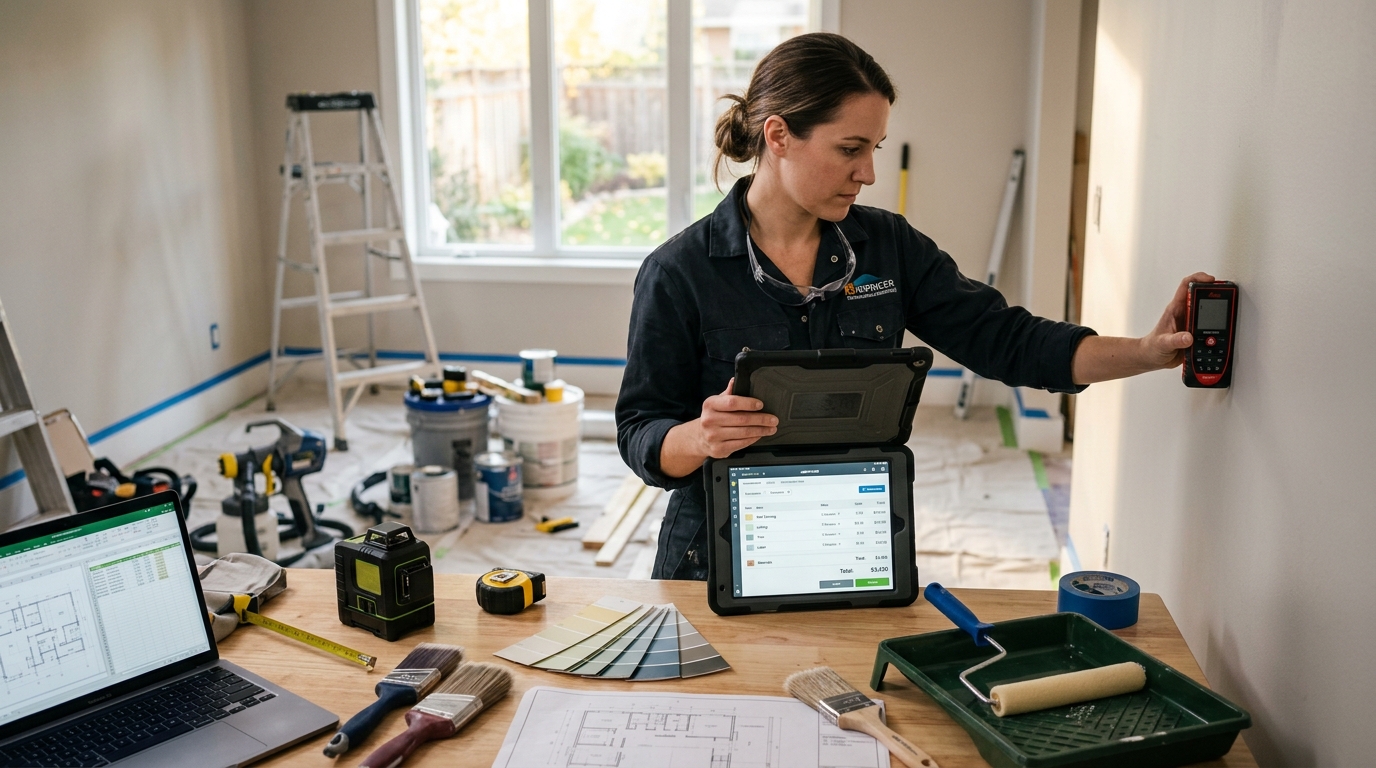
Digital Measurement and Laser Tools
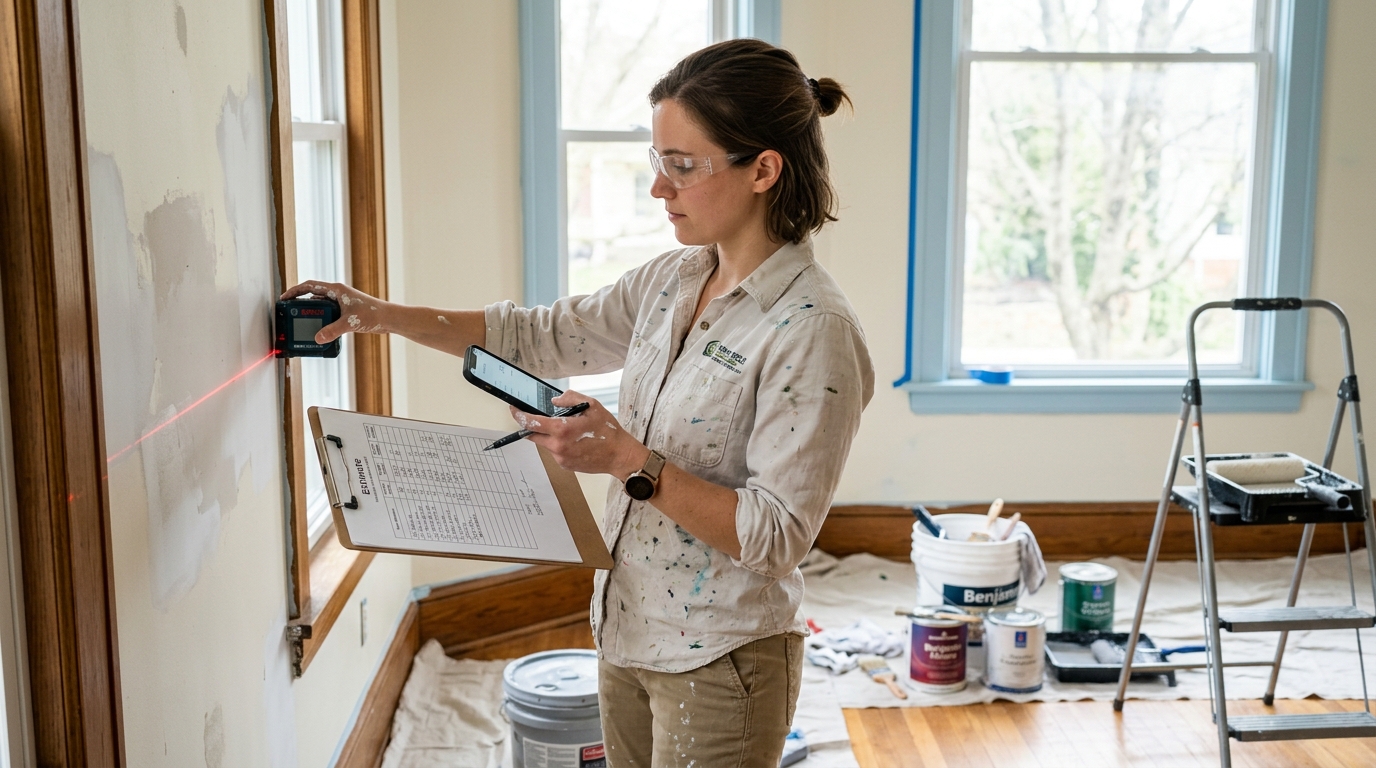
The days of using a manual tape measure and a notepad are over for the modern 2026 painting contractor who values accuracy and professionalism. Laser distance measurers, such as those from Bosch or Leica, allow you to capture room dimensions in seconds with 1/16th-inch accuracy. These tools can often sync via Bluetooth to your estimation software, instantly calculating the total square footage of walls, ceilings, and floors.
Some advanced contractors are now using 3D room scanners or LIDAR-equipped iPads to create a digital twin of the project site during the walkthrough. These scans provide an undeniable record of the room's condition and allow you to measure every detail—including window trim and baseboards—back at the office. This technology reduces the risk of 'forgetting' a wall or underestimating the height of a foyer, which can save you hundreds of dollars in missed labor.
Investing $200 to $500 in high-quality measurement tools pays for itself within the first three jobs by eliminating human error and increasing client confidence. When a homeowner sees you using professional-grade tech to build their estimate, they perceive you as a higher-value contractor than the guy who 'eyeballs' the room. In 2026, precision is a core part of your brand identity.
Cloud-Based Estimation and CRM Systems
Cloud-based software is the engine that drives a modern painting business, allowing you to manage leads, estimates, and invoices from a single dashboard. Platforms like Hulo provide a unified interface where you can input project details and automatically generate a polished PDF proposal. These systems often include 'auto-follow-up' features that remind the client about your quote, increasing your closing rate by up to 25% without any extra effort on your part.
Integrating your pricing guide directly into your CRM ensures that every salesperson or estimator in your company is using the same rates and formulas. This consistency is vital for maintaining margins as you scale from a solo operator to a multi-crew firm. If everyone is using the same 'how to price painting jobs' logic, you avoid the confusion of having one estimator bid $3,000 for a job that another would have bid at $4,500.
Furthermore, these tools allow for digital signatures and instant deposits, which are essential for cash flow management in 2026. Requiring a 30% to 50% deposit upon contract signing ensures that you have the funds to purchase materials and secure the labor for the start date. By automating the financial side of your business, you can spend more time focusing on production quality and customer service.
Key Takeaway: Leverage digital measurement tools and CRM software to reduce estimation time by 50% while increasing your bid accuracy and professional image.
Wrapping Up
Accurately pricing painting jobs in 2026 requires a balance of data-driven formulas, market awareness, and professional tools. By mastering your production rates and accounting for every overhead expense, you can build a profitable business that stands the test of time. Start implementing these strategies today to win more bids and secure your future in the trade.
Frequently Asked Questions
How much does it cost to paint a 2,000 square foot house in 2026?
For a standard 2,000 sq ft interior, homeowners can expect to pay between $4,500 and $8,500 depending on the number of colors, the height of the ceilings, and the amount of trim work. Exterior projects for a similar size home typically range from $5,000 to $10,000, factoring in prep work and high-quality coatings. These prices assume a professional two-coat application and include both labor and materials.
What is the industry standard profit margin for painting contractors?
Professional painting companies should target a gross profit margin of 35% to 50% on residential projects. After accounting for overhead costs like insurance, marketing, and office staff, the goal is a net profit margin of 15% to 25%. Commercial painting often has lower margins, around 20% to 30%, but offers higher volume and more consistent work schedules.
Do I need a specific certification to price lead-based paint jobs?
Yes, if you are working on homes built before 1978, you must be EPA RRP (Renovation, Repair, and Painting) certified to legally perform and price the work. This certification requires an 8-hour training course and periodic renewals to ensure you are following lead-safe work practices. Pricing for these jobs must include the cost of specialized containment and HEPA filtration equipment, which usually adds 25% or more to the standard labor rate.
How long does it take to paint a standard 12x12 bedroom?
A professional painter can typically finish a standard 12x12 bedroom—including walls, one door, and basic baseboards—in 6 to 10 man-hours. This timeframe includes 1-2 hours of prep (masking, filling holes), 4-6 hours for two coats on the walls, and 1-2 hours for the trim. If the ceiling is included or if there is significant repair work, the total time can easily extend to 12 or 14 hours.
How can I get paid faster as a painting contractor?
Using a digital platform like Hulo allows you to send invoices via text or email and accept credit card or ACH payments instantly. Implementing a clear payment schedule—such as 30% down, 40% at the midpoint, and 30% upon completion—ensures consistent cash flow throughout the project. Automated reminders can also help recover outstanding balances without the need for awkward manual follow-up calls.
What is the difference between a square foot rate and a linear foot rate?
Square foot rates are used for large, flat surfaces like walls and ceilings, while linear foot rates are used for narrow, long items like baseboards, crown molding, and chair rails. In 2026, wall painting is often priced at $1.50-$3.50 per square foot, whereas trim is priced at $1.25-$2.50 per linear foot. Using linear feet for trim is more accurate because the labor is based on the length of the 'run' rather than the surface area.
Is it worth it for small painting businesses to use estimation software?
Absolutely, as estimation software reduces the time spent on paperwork by up to 70% and significantly lowers the risk of mathematical errors. For a small business, the $30-$60 monthly cost of a tool like Hulo is often recovered in the first job through more accurate material counts alone. It also provides a level of professional presentation that helps small firms compete with much larger franchises.
What certifications do I need for professional painting?
Beyond the mandatory EPA RRP certification for older homes, many contractors join the Painting Contractors Association (PCA) to access industry standards and training. Some states require a specific trade contractor's license, which often involves passing an exam on business law and safety. Holding these certifications allows you to justify higher rates and provides a layer of legal protection for your business.
Stop Guessing and Start Growing Your Painting Business
Hulo provides the all-in-one platform you need to estimate, invoice, and get paid faster. Join thousands of pros who use our tools to boost their profit margins and reclaim their time.
Join the WaitlistMore from the Blog
11 Proven Ways to Get Paint Leads for Painting Contractors (2026)
Generating high-quality paint leads requires a combination of optimized Google Business Profiles, targeted Local Service...
How to Start a Painting Business: Licensing, Pricing & First Clients (2026)
In 2026, the residential and commercial painting industry continues to be one of the most resilient sectors in the home ...
9 Simple Contractor Invoice Template Tips for Plumbers (2026)
A professional contractor invoice template for plumbers must include your business details, the client's information, a ...