How to Start a Cleaning Business: From Solo Cleaner to Recurring Revenue (2026)
17 min read·Updated March 20, 2026The residential cleaning industry is projected to surpass $40 billion in annual revenue by 2026, driven by a growing middle class that values time over DIY chores. For the aspiring entrepreneur, starting a cleaning business offers one of the lowest barriers to entry with the highest potential for predictable, recurring income. However, the gap between a 'person with a mop' and a professional maid service owner is bridged by systems, branding, and strategic pricing. This guide provides a comprehensive roadmap to help you navigate the transition from a solo cleaner to a high-growth business owner with a loyal client base.
Table of Contents
Establishing Legal Foundations and Professional Credibility
Choosing the Right Business Structure
Selecting your legal entity is the first step toward protecting your personal assets from business liabilities. Most solo cleaners begin as a Sole Proprietorship due to the simplicity, but transitioning to a Limited Liability Company (LLC) is highly recommended as you scale. An LLC separates your personal bank account from your business operations, which is critical if a client claims property damage or an injury occurs on-site.
Consulting with a tax professional can help you decide if an S-Corp election is beneficial once your net profit exceeds $50,000 per year. This structure can significantly reduce self-employment taxes, allowing you to reinvest more capital back into your marketing and equipment. Regardless of the structure, ensure you obtain an Employer Identification Number (EIN) from the IRS to open a dedicated business checking account.
Registering your business name with the Secretary of State is a prerequisite for professional operation. Ensure your 'Doing Business As' (DBA) name is catchy, easy to spell, and reflects the quality of service you intend to provide. A professional name like 'Precision Home Care' often commands higher rates than a generic 'John’s Cleaning,' as it implies a systematic approach rather than a casual side hustle.
Navigating Insurance and Bonding Requirements
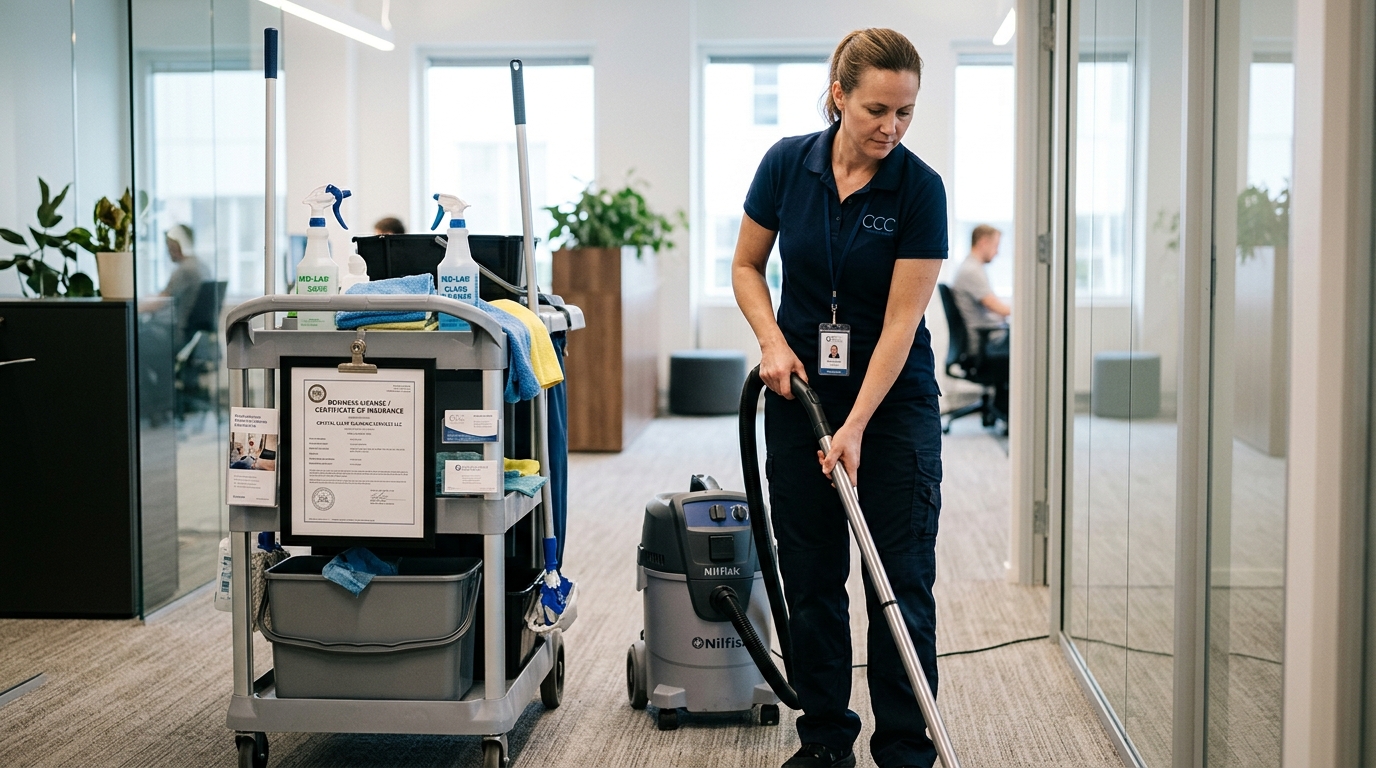
General Liability (GL) insurance is non-negotiable for house cleaning professionals, typically requiring a policy with at least $1 million in coverage. This insurance protects you if you accidentally damage a client's property, such as scratching a high-end stainless steel refrigerator or spilling bleach on an expensive rug. Expect to pay between $500 and $1,200 annually for a robust GL policy depending on your location and projected revenue.
Being 'Bonded' is a specific marketing advantage that builds immediate trust with homeowners who are hesitant to give keys to strangers. A surety bond protects the client against theft committed by you or your future employees, providing them with financial recourse and peace of mind. For a small cleaning business, a $5,000 or $10,000 bond is usually sufficient and costs as little as $100 to $200 per year.
If you plan to hire even one part-time employee, Workers' Compensation insurance becomes a legal requirement in nearly every state. This covers medical expenses and lost wages if a cleaner slips on a wet floor or sustains a repetitive motion injury. Skipping this coverage can lead to massive fines and personal liability that could bankrupt a growing business overnight.
| Item | Estimated Cost | Frequency |
|---|---|---|
| LLC Formation (State Fees) | $50 – $500 | One-time |
| General Liability Insurance | $600 – $1,200 | Annual |
| Surety Bond | $100 – $250 | Annual |
| Business License | $50 – $200 | Annual |
Estimated Initial Legal and Administrative Costs
Key Takeaway: Never enter a client's home without General Liability insurance; the risk of a single accidental damage claim far outweighs the monthly premium cost.
Mastering the Art of Profitable Residential Pricing
Hourly vs. Flat Rate Pricing Models
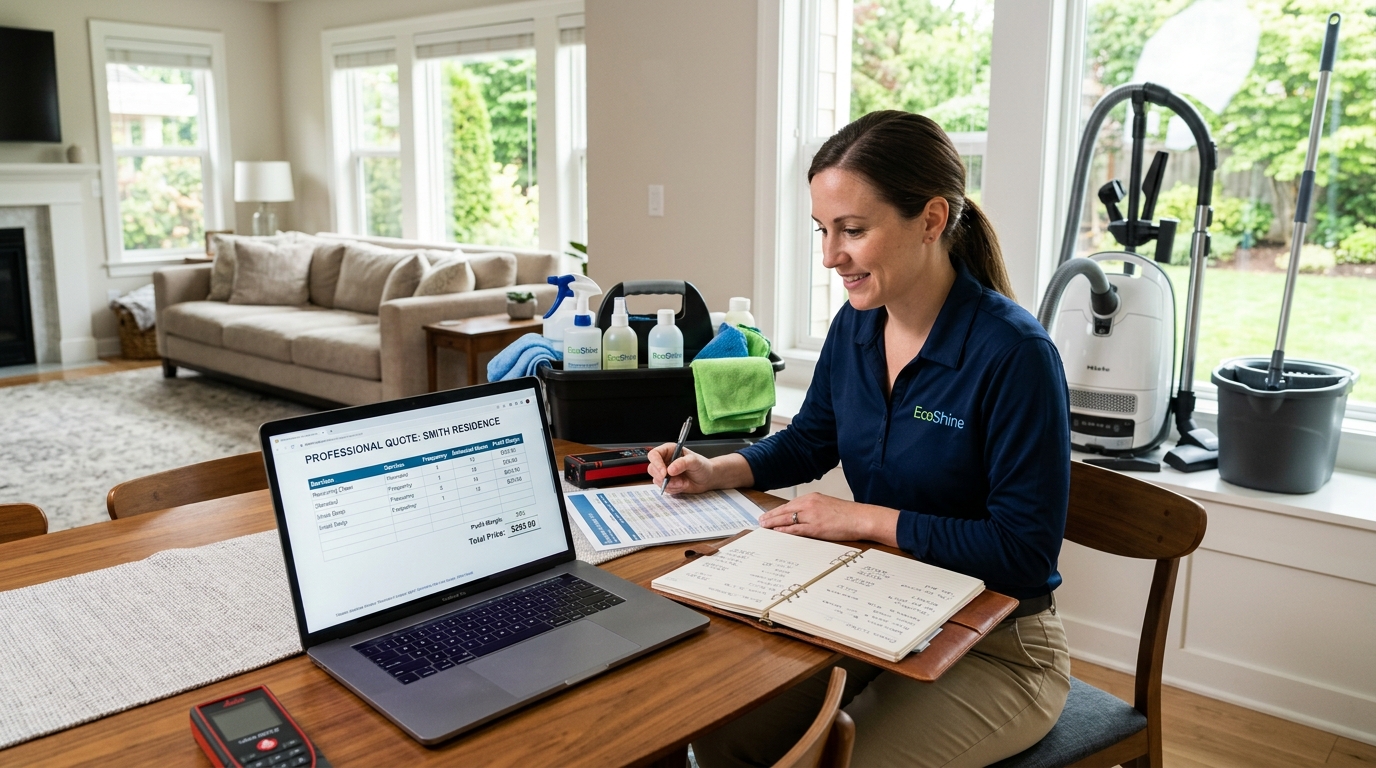
Hourly pricing is the standard for solo cleaners, typically ranging from $40 to $65 per man-hour in most mid-sized markets. This model ensures you are paid for exactly how long the job takes, protecting you from 'scope creep' where a client asks for extra tasks during the visit. However, hourly rates can penalize you as you become faster and more efficient, effectively lowering your profit as your skills improve.
Flat-rate pricing is preferred by high-growth maid services because it focuses on the value of the outcome rather than the time spent. By charging $150 for a standard 3-bedroom cleaning, you benefit from efficiency; if you finish in 2.5 hours, your effective hourly rate jumps to $60. To succeed with flat rates, you must have a clear 'Scope of Work' document that defines exactly what is included in a standard clean.
Most successful businesses use a hybrid approach: an hourly rate for the initial deep clean or first-time visit, followed by a flat rate for recurring maintenance. This allows you to assess the home's condition and the client's expectations before committing to a fixed price. Always build in a 15-20% buffer for unexpected challenges like excessive pet hair or heavy soap scum in showers.
Calculating Your Professional Margin
To build a sustainable business, you must understand your Gross Profit Margin, which should ideally sit between 50% and 60% for a residential service. This means if you charge $200 for a clean, your direct costs (labor, supplies, fuel) should not exceed $80 to $100. Beginners often fail because they price based on what they 'think' is fair rather than calculating their actual overhead and desired profit.
Labor will always be your largest expense, typically accounting for 40% to 50% of the total ticket price once you start hiring. If you are cleaning solo, you must still 'pay' yourself a competitive wage in your calculations to ensure the business remains viable when you eventually step back from the field. Don't forget to account for 'non-billable' time, such as driving between jobs and cleaning your equipment at the end of the day.
Consumables like chemicals, paper towels, and vacuum bags usually account for 3% to 5% of your revenue. While this seems small, using high-quality concentrates and reusable microfiber cloths can save you hundreds of dollars over the course of a year. Tracking these small expenses allows you to identify when you need to raise rates to maintain your target net profit of 20% or higher.
50%–60%
Target Gross Profit Margin
Successful maid services aim for this margin to cover overhead and ensure owner profitability.
Building the Ultimate Professional Cleaning Kit
Essential Equipment for Speed and Quality
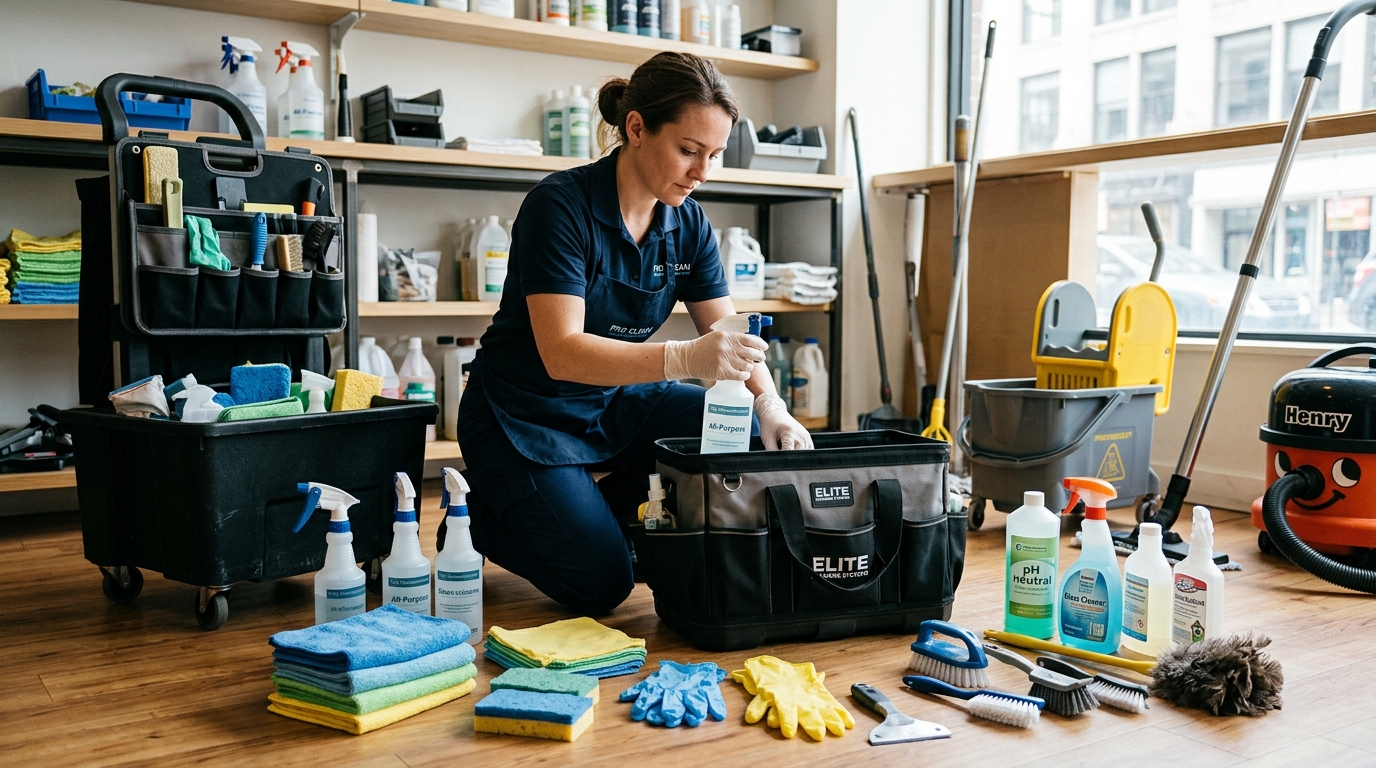
The vacuum is the most important tool in your arsenal, and residential-grade models often fail under the stress of daily professional use. Invest in a high-performance vacuum with a HEPA filter, such as the Shark Navigator Professional or a Miele C3 canister, to ensure you aren't just blowing dust back into the air. Pro cleaners often carry both an upright for carpets and a lightweight canister or backpack vacuum for hard floors and stairs.
Microfiber technology has revolutionized the industry, allowing for more effective dirt removal with fewer chemicals. You should maintain a color-coded system—blue for glass, yellow for dusting, and red for bathrooms—to prevent cross-contamination between rooms. This system isn't just hygienic; it’s a visual cue to clients that you follow professional, high-standard protocols.
A professional-grade caddy should be organized for maximum efficiency to minimize trips back to the van or the kitchen sink. Use adjustable spray bottles for your primary cleaners (All-Purpose, Disinfectant, Degreaser, and Glass Cleaner) and keep a 'scraper' and a non-scratch scrub pad within reach. Efficiency in the cleaning industry is measured in 'steps saved,' and a well-organized kit can save you 15-20 minutes per home.
Selecting Chemicals: Eco-Friendly vs. Traditional
There is a massive market demand for 'Green Cleaning' in 2026, with many families willing to pay a 10-15% premium for non-toxic services. Brands like Method, Seventh Generation, or professional concentrates from companies like Zep and Better Life offer effective cleaning without harsh fumes. Marketing yourself as an eco-friendly service can help you stand out in a crowded market of traditional cleaners.
Regardless of your 'green' status, you must carry a few heavy-duty chemicals for specific challenges like hard water stains or mold in showers. Products like Bar Keepers Friend (powder and liquid) and a high-quality degreaser are essential for kitchen transformations. Always test new chemicals on an inconspicuous area, especially on sensitive surfaces like natural stone or unsealed wood, to avoid costly damage.
Buying in bulk is the only way to maintain your margins as you scale from one client to fifty. Purchase gallon-sized concentrates and dilute them into labeled spray bottles according to the manufacturer's instructions. This practice reduces plastic waste and brings your cost per bottle down from $5.00 at retail to roughly $0.30 per bottle, significantly boosting your bottom line.
Pro Tip: Use a pumice stone on a stick to remove stubborn toilet rings without scratching the porcelain—it's a 'magic' trick that clients love.
Developing a High-Converting Digital Marketing Strategy

The Foundation: A Professional Website
In 2026, a cleaning business without a professional website is invisible to the highest-paying clients. Homeowners under 45 rarely use phone books or flyers; they search Google and expect to see a clean, mobile-responsive site where they can view services and book an estimate. Your website should feature high-quality photos of your actual work, not just generic stock images of smiling people holding mops.
Instead of spending thousands on custom web development, all-in-one platforms like Hulo allow you to launch a professional trade website for just $49.99/mo. These platforms are designed specifically for service businesses, ensuring your site is optimized for local SEO and includes clear 'Call to Action' buttons. A site that loads fast and looks professional on a smartphone will convert significantly more visitors into leads.
Your website must include 'social proof' in the form of testimonials and links to your Google Business Profile. Prospective clients are inviting you into their private spaces, so seeing that 20 other neighbors have had a positive experience is essential for building trust. Make sure your contact form is simple and integrated directly with your CRM so you never miss a quote request.
Local SEO and Google Business Profile
Google Business Profile (GBP) is the most powerful free tool for a local cleaning business. When someone searches 'house cleaning near me,' Google displays the 'Local Map Pack' above the organic search results. To rank here, you need a verified profile, a consistent business name/address/phone number (NAP), and a steady stream of 5-star reviews.
Encourage every recurring client to leave a review by sending an automated link immediately after their service is completed. Responding to every review—both positive and negative—shows Google and potential clients that you are an active, engaged business owner. Add photos of your branded vehicle or your team in uniform to your profile weekly to keep the content fresh and relevant.
Local SEO also involves targeting specific neighborhood keywords on your website's service pages. Instead of just 'Cleaning Services,' create pages for 'House Cleaning in [Neighborhood Name]' or 'Move-Out Cleaning [City Name].' This hyper-local strategy helps you compete against large national franchises that often use generic, non-localized content.
Key Takeaway: Your website is your 24/7 salesperson; using a platform like Hulo ensures you have a professional presence without the high cost of a custom agency build.
Converting One-Time Cleans into Recurring Revenue
The Power of the 'First-Time' Deep Clean
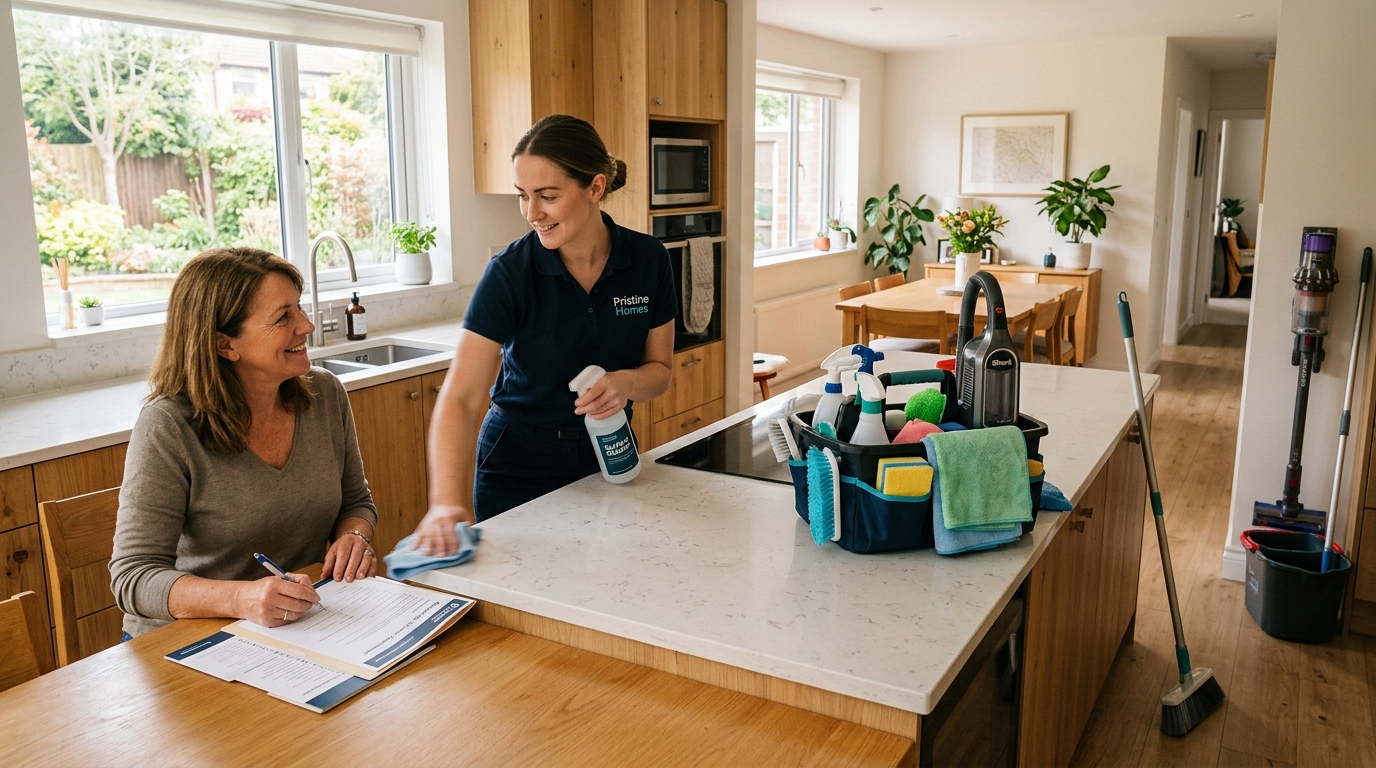
The most effective way to secure a recurring contract is to start with a high-impact Deep Clean or Top-to-Bottom Clean. This initial service is usually 2-3 times the price of a maintenance clean because it involves scrubbing baseboards, cleaning inside ovens, and removing built-up grime. Once the house is at a 'baseline' of perfection, it is much easier to sell the client on a bi-weekly maintenance plan to keep it that way.
During the initial walkthrough, point out areas that are often neglected, such as ceiling fan blades or the tracks of sliding glass doors. By demonstrating your attention to detail on the first visit, you justify your professional rates and make the client realize how much work it takes to maintain the home. Always provide a written checklist of exactly what was performed during the deep clean to reinforce the value provided.
Offer a 'Recurring Discount' immediately following the first clean while the client is still experiencing the 'wow' factor of a spotless home. For example, if a deep clean is $400, tell the client they can lock in a $160 bi-weekly rate if they sign up within 48 hours. This urgency, combined with the visible results, is the most successful conversion tactic in the industry.
Client Retention and Quality Control
Retention is the 'secret sauce' of a cleaning business; it is five times cheaper to keep an existing client than to acquire a new one. Implementing a 'Quality Check' system—where you or a lead cleaner inspects the work against a 50-point checklist—ensures consistency. Small mistakes, like forgetting to empty a small trash can or leaving streaks on a mirror, are the primary reasons clients cancel their service.
Personal touches can significantly boost loyalty and lead to more referrals. Leaving a 'Thank You' card with a small piece of chocolate or a branded magnet on the refrigerator makes the service feel personal rather than transactional. Ask for feedback regularly through automated surveys to catch minor dissatisfactions before they turn into cancellations.
Managing recurring schedules requires a robust system to avoid double-bookings or missed appointments. Using a platform like Hulo to manage your client database and scheduling ensures that both you and the client receive automated reminders. Consistency in the day and time of the cleaning is one of the top factors in client satisfaction and long-term retention.
70%–80%
Ideal Recurring Revenue Mix
A stable cleaning business should derive the majority of its income from predictable weekly or bi-weekly contracts.
Ready to put this into action?
Hulo gives you everything to run your cleaning business — website, CRM, scheduling, and invoicing. Join the waitlist for V2.
Join the WaitlistStreamlining Operations with Modern House Cleaning Software
Managing Schedules and Client Data
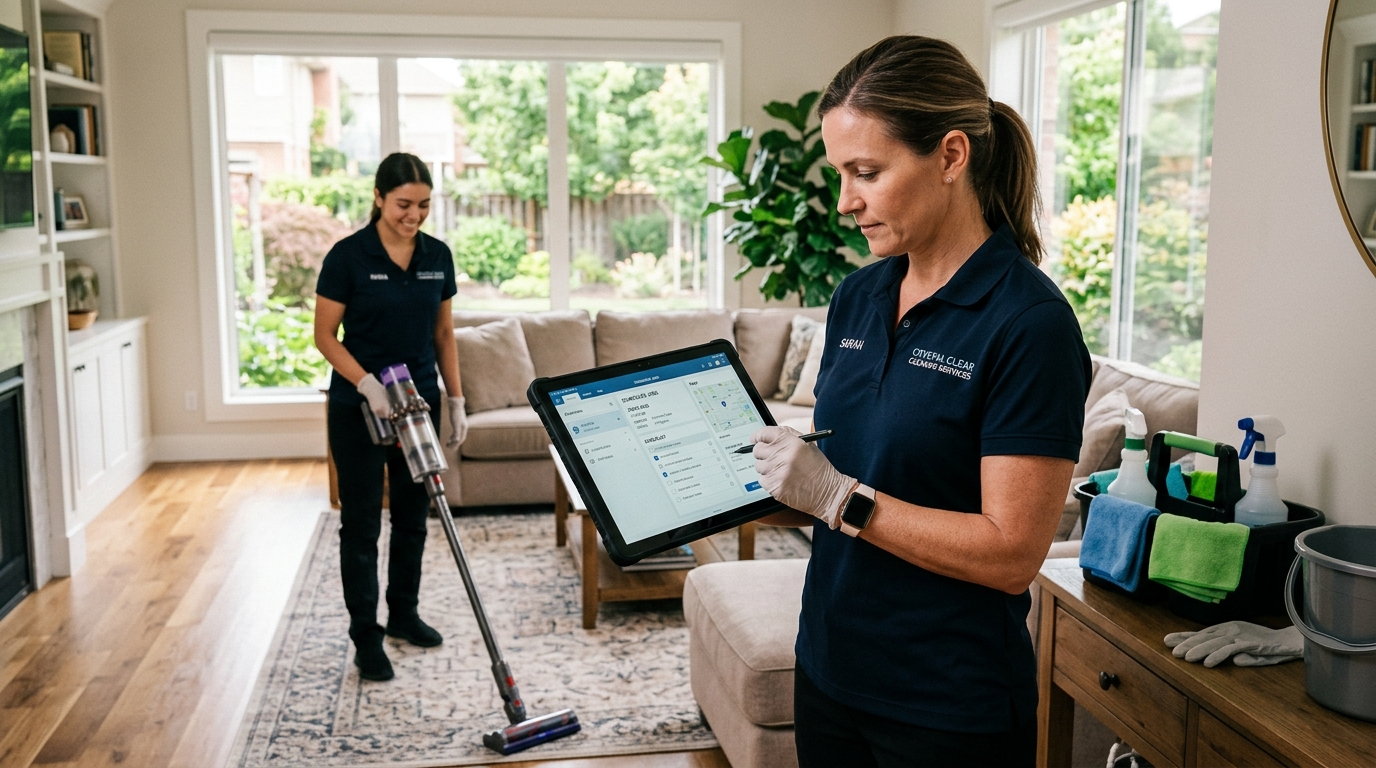
As your business grows beyond five clients, managing your schedule on a paper calendar or a basic spreadsheet becomes a liability. You need a centralized CRM (Customer Relationship Management) system that stores client addresses, entry codes, pet names, and specific cleaning preferences. This data ensures that if you send a different staff member to a home, they have all the information needed to provide a consistent experience.
Modern platforms like Hulo integrate your scheduling directly with your client database, allowing you to see your daily route at a glance. This prevents the nightmare of driving across town for a 9:00 AM job only to realize your 11:00 AM is back where you started. Optimized routing can save a cleaning team 30 to 60 minutes of drive time per day, which translates directly into higher profit per hour.
Automated reminders are a 'must-have' feature to reduce the frequency of 'lock-outs,' where a client forgets you are coming and fails to leave a key or unlock the door. A simple text or email sent 24 hours in advance can save you the frustration of a wasted trip. Most professional software also allows you to store credit card information securely, enabling 'hands-free' billing as soon as the job is marked complete.
Professional Invoicing and Payment Processing
Chasing checks or waiting for cash under the mat is an outdated way to run a business that hurts your cash flow. In 2026, clients expect to pay via credit card, Apple Pay, or bank transfer directly from their mobile device. Integrated invoicing ensures that you get paid the same day the service is rendered, rather than waiting weeks for a client to remember to mail a payment.
Platforms like Hulo simplify this by bundling invoicing and payment processing into the same $49.99/mo subscription that manages your website. This eliminates the need for expensive third-party merchant accounts that charge high monthly fees on top of transaction percentages. Having your 'Request a Quote,' 'Schedule Clean,' and 'Pay Invoice' functions all in one place creates a seamless experience for the customer.
Detailed financial reporting is the final piece of the operational puzzle. Your software should generate reports on your monthly revenue, most profitable zip codes, and average job time. Without these numbers, you are essentially flying blind; with them, you can make data-driven decisions about when to raise prices or where to focus your marketing efforts for the highest ROI.
Key Takeaway: Consolidating your website, CRM, and invoicing into an all-in-one platform like Hulo saves you over $150/mo in separate software subscriptions while professionalizing your client interactions.
Transitioning from Solo Cleaner to a Managed Team
Hiring and Training for Consistency
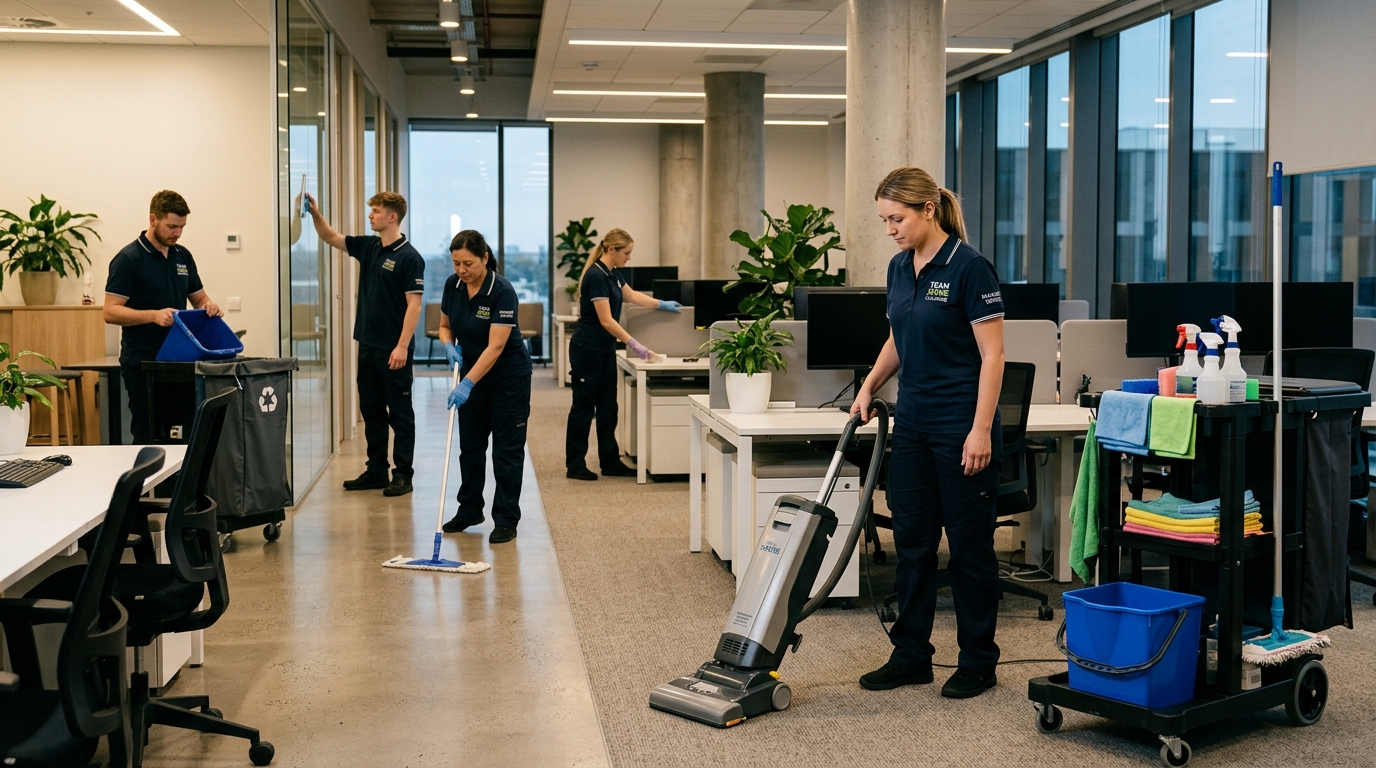
The 'Solo Ceiling' usually hits when an owner is working 40 hours in the field and has no time left for marketing or administration. To break through, you must hire your first employee, which is the most difficult transition in the business. Look for reliability and 'coachability' over prior cleaning experience; it is often easier to train a motivated person on your specific system than to retrain someone with bad habits from another company.
Create a 'Training Manual' or a series of short videos that demonstrate your standard for every room. This should include everything from how to properly fold a toilet paper point to the specific pattern for vacuuming a floor. Consistency is what separates a professional service from a casual cleaner, and a standardized training program is the only way to ensure that every client gets the same 'wow' factor regardless of who cleans their home.
Implement a 'Shadowing' period where new hires work alongside you for at least two weeks before being sent out on their own or with a partner. During this time, focus heavily on the 'soft skills' of the job: how to greet a client, how to handle a pet, and how to communicate if something is broken. Your employees are the face of your brand, and their professionalism is just as important as their cleaning ability.
Employee Retention in a High-Turnover Industry
The cleaning industry is notorious for high turnover, often exceeding 75% annually for many large franchises. To beat this, you must offer more than just a paycheck; you need to create a culture of respect and provide a clear path for growth. Offering 'Lead Cleaner' positions with higher pay or performance-based bonuses for 5-star reviews can keep your best talent from leaving for a competitor.
Pay your team fairly and consider a 'Commission-Based' pay structure (often called 'Percentage Pay') where cleaners earn a set percentage of the job total—typically 30% to 40%. This incentivizes them to be efficient and thorough, as their earnings are tied directly to the value they produce. When the team wins, the business wins, creating a collaborative environment rather than a strictly hierarchical one.
Don't overlook the importance of quality equipment and supplies in employee retention. No one wants to work with a broken vacuum or harsh chemicals that irritate their skin. Providing high-quality, ergonomic tools and pleasant-smelling, safe cleaning products shows your team that you value their health and comfort. Happy cleaners lead to happy clients, which is the foundation of a scaling business.
High-Profit Specialized Services and Market Niches
Airbnb and Vacation Rental Turnovers
The Short-Term Rental (STR) market is a goldmine for cleaning businesses that can handle tight schedules and high expectations. Airbnb cleaning is different from residential cleaning; it requires 'staging' the home, laundering linens, and reporting any damages or missing items to the host immediately. Because of the 'emergency' nature of these cleanings, you can often charge a 20-30% premium over standard residential rates.
Success in the STR niche depends on your ability to sync with the host's booking calendar. Many cleaning software platforms can integrate directly with Airbnb or VRBO to automate the scheduling of these 'turnovers.' If you can build a reliable team that never misses a check-in window, you can quickly become the go-to provider for property management companies in your area.
Create a specific 'STR Checklist' that includes tasks like checking the batteries in smoke detectors, replenishing coffee pods, and arranging towels in a hotel-style fold. These small details are what help hosts get 5-star reviews, making you an indispensable partner in their business. Many cleaning companies build their entire model around vacation rentals because the volume is high and the revenue is consistent.
Post-Construction and Move-Out Cleans
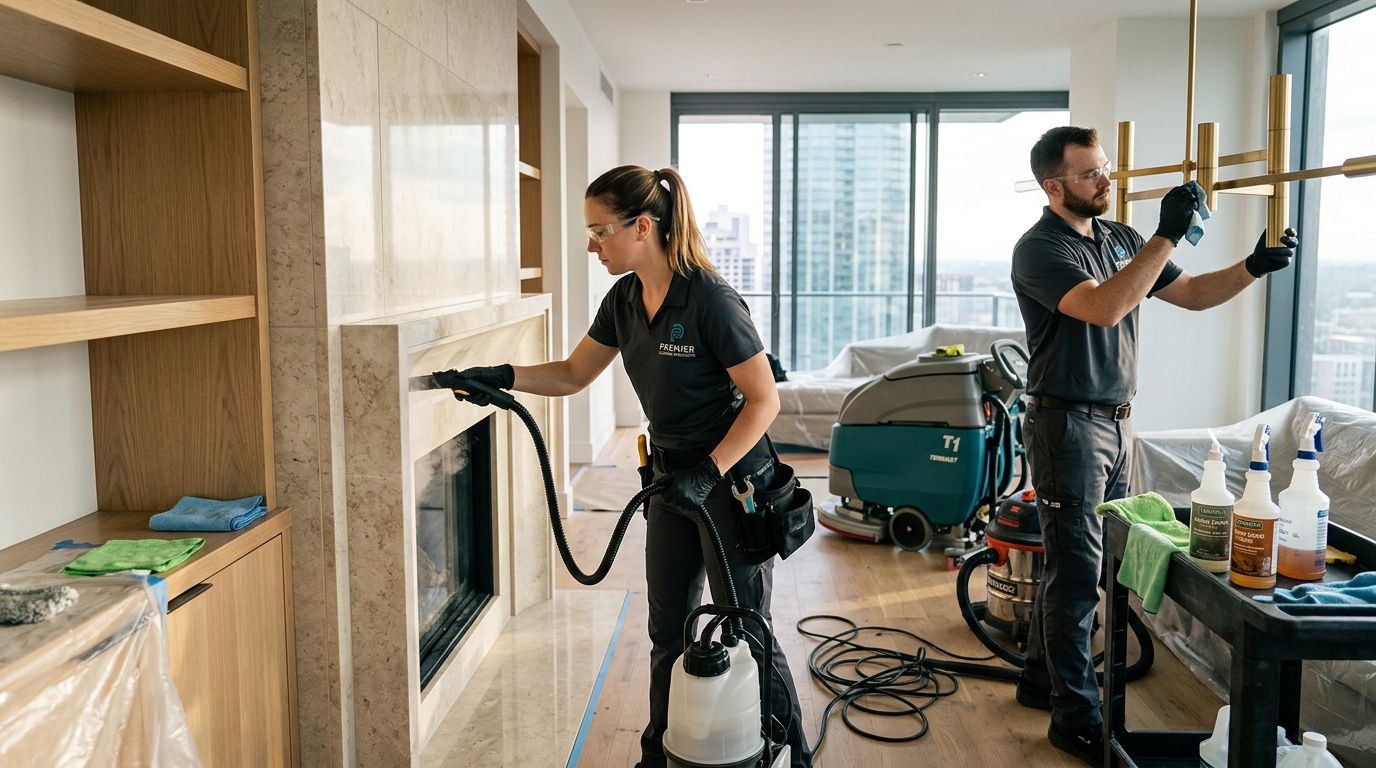
Post-construction cleaning is a specialized service that involves removing fine drywall dust, paint splatters, and stickers from new windows and appliances. This is a high-ticket service that often requires specialized equipment like industrial HEPA vacuums and floor scrubbers. Rates for post-construction typically range from $0.20 to $0.50 per square foot, making it one of the most profitable niches in the trade.
Move-out cleaning is another high-demand service, particularly in college towns or areas with high rental turnover. These cleans are 'heavy' and require a completely empty home to be scrubbed from top to bottom, including inside all cabinets, drawers, and appliances. Because these are often one-time jobs, you should charge a premium and require payment upfront or immediately upon completion.
Marketing these services requires a different approach than recurring residential cleans. For post-construction, you should network with local general contractors and interior designers who need a reliable partner to 'finish' their projects. For move-out cleans, partnering with local realtors or property managers can provide a steady stream of referrals as they help clients prepare homes for sale or new tenants.
Wrapping Up
Starting a cleaning business is one of the most reliable paths to entrepreneurship in 2026, provided you focus on systems rather than just 'scrubbing harder.' By establishing a legal foundation, mastering your pricing, and prioritizing recurring revenue, you can build a business that provides both financial freedom and a valuable service to your community. As you begin this journey, remember that your professional image is just as important as your cleaning results. Utilizing an all-in-one platform like Hulo can give you the professional edge you need—managing your website, schedule, and invoices in one place so you can focus on growing your team and your bottom line.
Frequently Asked Questions
How much does it cost to start a cleaning business in 2026?
You can realistically start a solo cleaning business for under $2,000. This covers your initial equipment ($500), insurance and licensing ($800), and your first month of marketing and software. Using an all-in-one platform like Hulo for $49.99/mo keeps your initial overhead low while providing a professional website and booking system from day one.
Do I need a special license to clean houses?
Most states only require a general business license or a 'Privilege License' to operate. However, some local municipalities may have specific requirements for home-based businesses or waste disposal. Always check with your local Secretary of State and city clerk's office to ensure you are compliant with local regulations.
How do I find my first cleaning clients?
Start with your personal network and local Facebook community groups, offering a 'Founding Member' discount to your first five clients. Once you have a few jobs under your belt, a professional website is critical for organic growth. Platforms like Hulo make it easy to launch a site that attracts local search traffic and allows neighbors to book you directly online.
What is the difference between a cleaning service and a maid service?
In modern terminology, 'cleaning service' often refers to a broader range of tasks including commercial and specialized jobs, while 'maid service' usually implies recurring residential cleaning. A maid service typically focuses on maintenance tasks like dusting, vacuuming, and bathrooms on a weekly or bi-weekly schedule. Both models benefit from using integrated software to manage the high volume of recurring appointments.
Should I charge by the hour or by the square foot?
Most residential cleaners find success charging by the hour for the first visit and a flat rate for recurring services. Square foot pricing is more common in commercial cleaning or post-construction jobs where the scope is more predictable. For residential work, flat rates are better for your long-term profit margins as your efficiency increases over time.
Is separate software needed for my website, scheduling, and invoicing?
No—modern trade professionals use integrated platforms to save time and money. All-in-one solutions like Hulo bundle your professional website, CRM, scheduling, and invoicing into a single $49.99/mo subscription. This is far more efficient than paying for 3-4 separate tools and trying to make them work together.
Ready to Launch Your Cleaning Empire?
Get your professional website, CRM, and invoicing system today with Hulo for just $49.99/mo.
Join the WaitlistMore from the Blog
9 Simple Contractor Invoice Template Tips for Plumbers (2026)
A professional contractor invoice template for plumbers must include your business details, the client's information, a ...
9 Expert Tips for the Best Pressure Washer for Starting a Business (2026)
The best pressure washer for starting a business is a gas-powered unit delivering at least 4.0 GPM (gallons per minute) ...
7 Smart Ways to Evaluate Housecall Pro vs Jobber for HVAC Contractors (2026)
Housecall Pro is generally the superior choice for HVAC businesses focusing on advanced sales automation and detailed pe...