How to Start a Pressure Washing Business: The $50K Side Hustle Guide (2026)
18 min read·Updated March 12, 2026In 2026, the demand for exterior maintenance has reached an all-time high as homeowners prioritize curb appeal and property value preservation. Starting a pressure washing business remains one of the most accessible paths to a $50,000+ annual side hustle due to low entry barriers and high hourly margins ranging from $60 to $150. This comprehensive guide provides a tactical roadmap for professionals looking to transition from a weekend warrior to a legitimate service provider. Whether you are aiming for residential driveway cleaning or high-ticket commercial contracts, the following blueprint covers the equipment, legalities, and systems required for success.
Table of Contents
Analyzing the Economics of a $50K Side Hustle
Understanding Your Revenue Potential
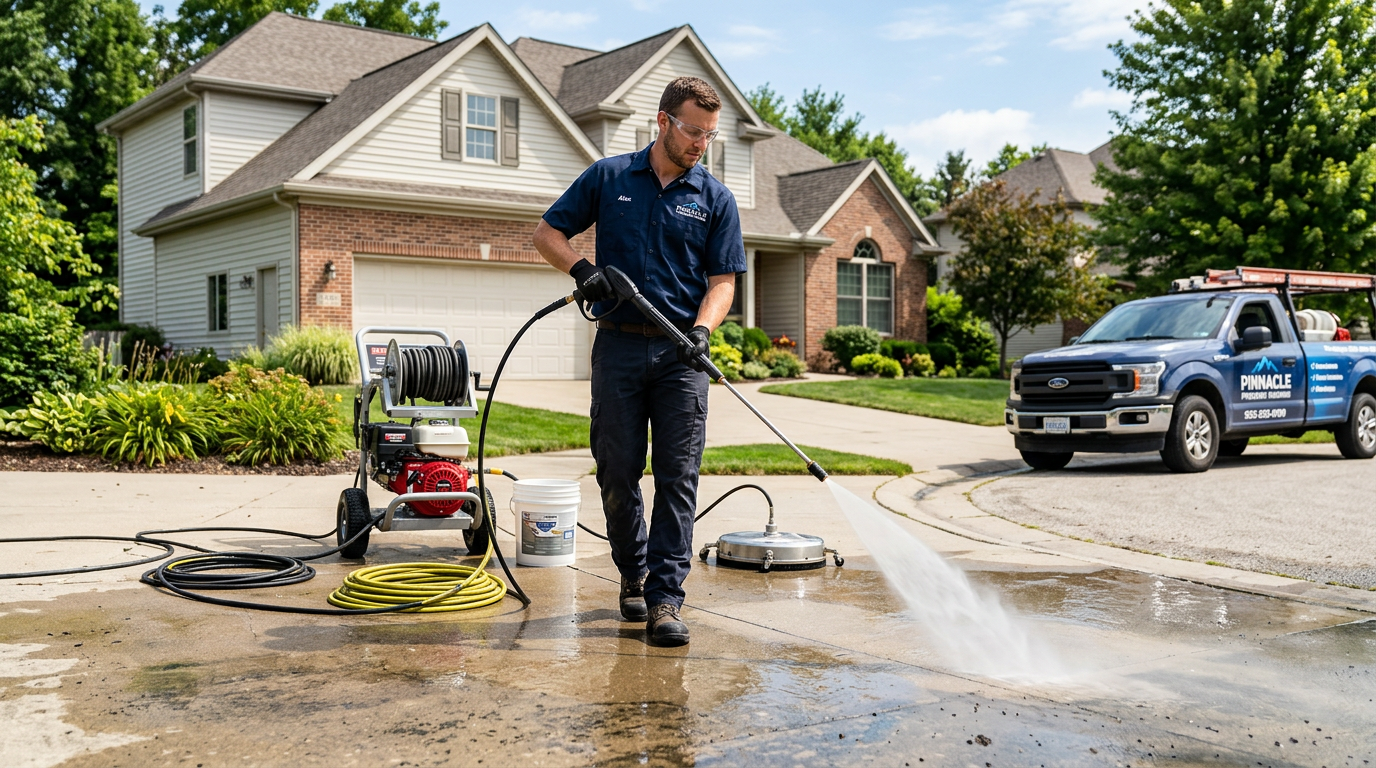
To reach a $50,000 annual revenue goal as a side hustle, you need to generate approximately $1,000 per week. Given that a standard residential driveway and house wash package averages between $350 and $550, hitting this target requires only two to three clients per weekend. This manageable volume allows for significant growth without requiring you to quit your full-time job immediately.
The beauty of the pressure washing industry lies in its high profit margins, which often hover around 70% to 80% after fuel and chemical costs. By focusing on high-density residential neighborhoods, you can minimize travel time and maximize 'wand-on-surface' hours. Many successful part-time operators find that they can out-earn their primary salary on a per-hour basis within the first six months of operation.
Scaling to $50,000 also depends on your ability to upsell additional services like gutter cleaning or window washing. A customer who initially calls for a $200 driveway cleaning can often be converted into a $600 full-property refresh. Consistently tracking these metrics is vital for understanding which services provide the best return on your time investment.
Initial Investment and ROI Timelines
A professional-grade startup kit typically requires an initial investment of $3,000 to $6,000 depending on whether you buy new or used equipment. This includes a 4.0 GPM pressure washer, hoses, a surface cleaner, and initial marketing materials. If you land just two $500 jobs per week, you can achieve a full return on your equipment investment in less than two months.
Beyond the hardware, you must account for 'soft costs' such as insurance, business registration, and digital infrastructure. While it is tempting to cut corners, investing in professional tools early prevents costly equipment failures in the field. A reliable setup ensures you can complete jobs faster, directly increasing your effective hourly rate and customer satisfaction scores.
Timeline expectations are crucial for maintaining momentum during the first quarter of business. Most new owners spend the first 30 days on setup and licensing, the next 30 days on local marketing, and begin seeing consistent lead flow by day 90. By the end of your first year, your referral network should account for nearly 40% of your new business, significantly lowering your customer acquisition costs.
$125 per hour
Average Target Revenue
Successful side hustlers aim for this rate to cover overhead and hit the $50K annual goal.
Key Takeaway: You only need 2.5 average-sized residential jobs per week to stay on track for a $50,000 annual side income.
Professional Grade Equipment Selection and Setup
Choosing the Right Machine for Efficiency
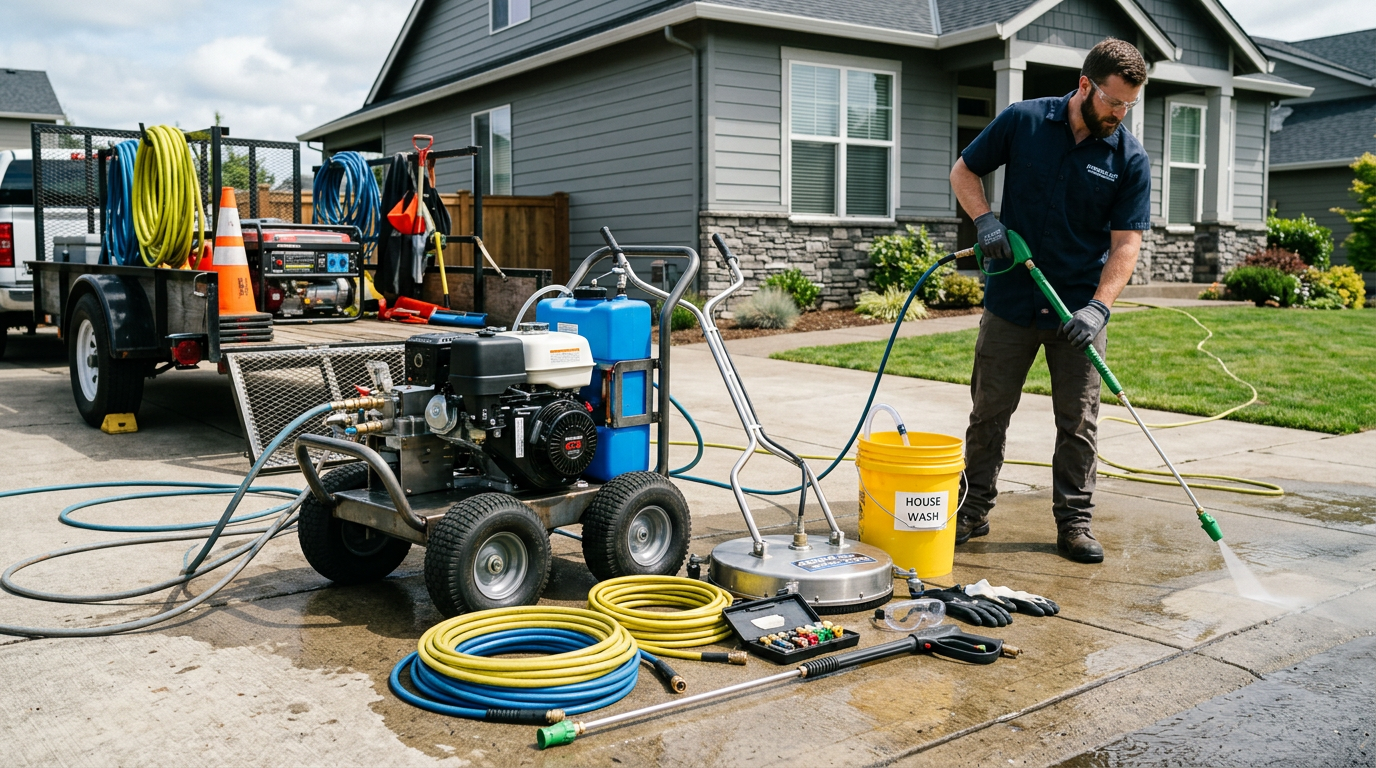
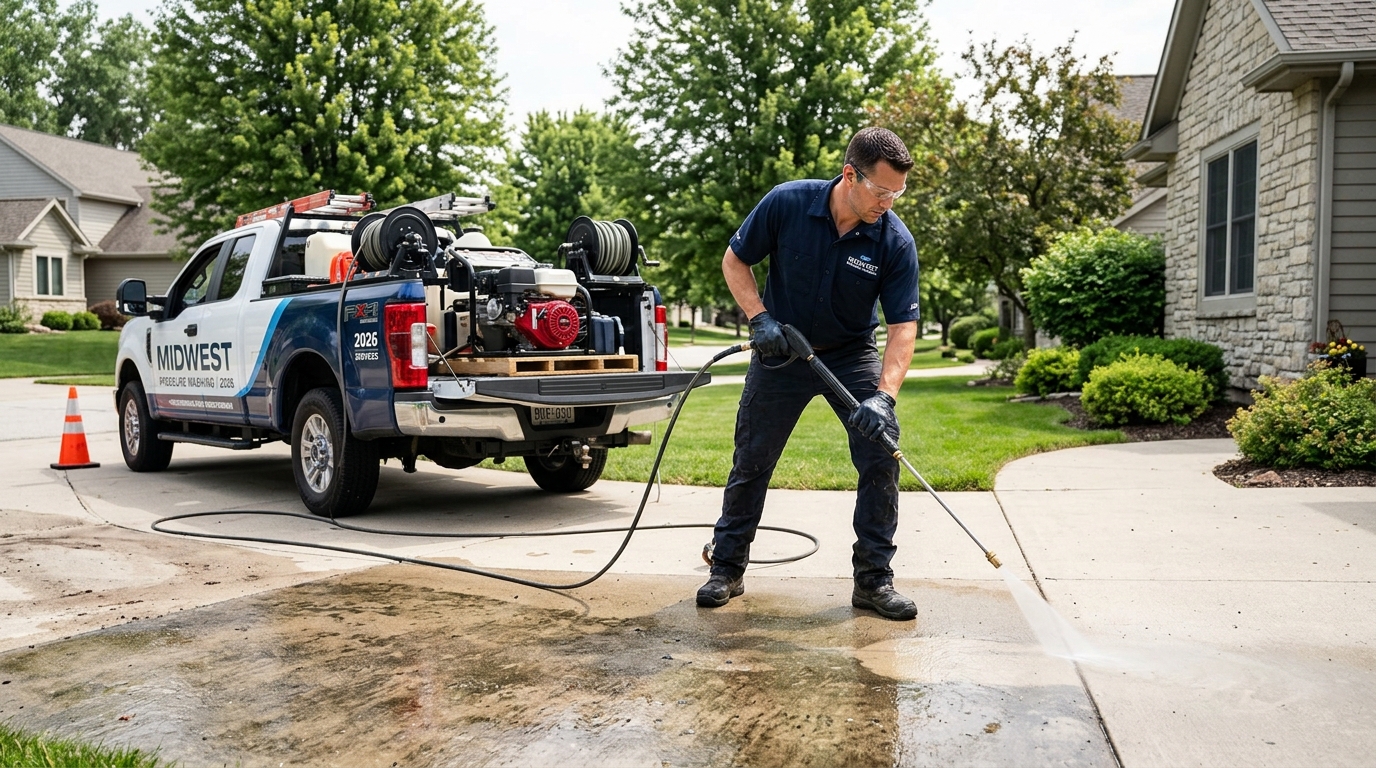
The most common mistake beginners make is prioritizing PSI (pounds per square inch) over GPM (gallons per minute). In the professional world, GPM is king because it determines how fast you can rinse and move debris. For a serious side hustle, you should look for a machine that delivers at least 4.0 GPM at 3,500 PSI, such as a Honda GX390 engine paired with a Comet or General pump.
A 4.0 GPM machine allows you to use a 16-inch to 20-inch surface cleaner, which can clean a standard driveway in a fraction of the time a wand would take. If you opt for a cheaper 2.5 GPM consumer-grade unit from a big-box store, you will struggle with large concrete areas and likely experience pump failure within the first 100 hours of use. Investing in a belt-drive or gear-drive system over a direct-drive pump will also extend the life of your equipment by allowing the pump to run at lower RPMs.
Consider the portability of your setup, especially if you are working out of a pickup truck or a small utility trailer. A skid-mounted system is ideal for permanent truck installs, while a wheeled cart is better if you need to store the equipment in a garage between jobs. Ensure your machine has a thermal relief valve to prevent the pump from overheating when the trigger is not pulled.
Essential Accessories and Surface Cleaners
Your surface cleaner is the most important accessory in your arsenal for residential concrete work. A 16-inch Whisper Wash Ultra Clean or a similar professional model prevents the 'zebra striping' often caused by manual wand cleaning. This tool ensures a uniform finish and reduces physical fatigue, allowing you to handle multiple properties in a single day without burning out.
Hose management is another area where professionals distinguish themselves from amateurs. You will need at least 100 feet of non-marking high-pressure hose and 100 feet of high-quality 3/4-inch garden hose for water supply. Using quick-connect fittings (stainless steel is preferred over brass) across all your equipment will save you 15 to 20 minutes of setup and breakdown time at every job site.
Don't overlook the importance of a 'downstream injector' for applying chemicals. This simple device allows you to pull cleaning solutions into the water stream after it leaves the pump, protecting your expensive equipment from harsh chemicals like sodium hypochlorite. Pair this with a J-Rod nozzle kit to switch between high-pressure rinsing and low-pressure soap application instantly.
| Item | Recommended Model/Spec | Estimated Cost |
|---|---|---|
| Pressure Washer | 4.0 GPM / 3500 PSI (Honda GX390) | $1,800 - $2,400 |
| Surface Cleaner | 16" - 20" Professional Grade | $400 - $650 |
| Pressure Hose | 100ft Non-Marking (Single Wire) | $150 - $220 |
| Chemical Injector | General Pump High-Draw | $30 - $50 |
| Nozzle Kit | J-Rod with 4 Orifices | $40 - $60 |
| Safety Gear | XtraTuf Boots, Gloves, Eye Pro | $150 - $250 |
Essential Startup Equipment Budget (2026)
Mastering the Soft Wash and Pressure Techniques
The Science of Soft Washing
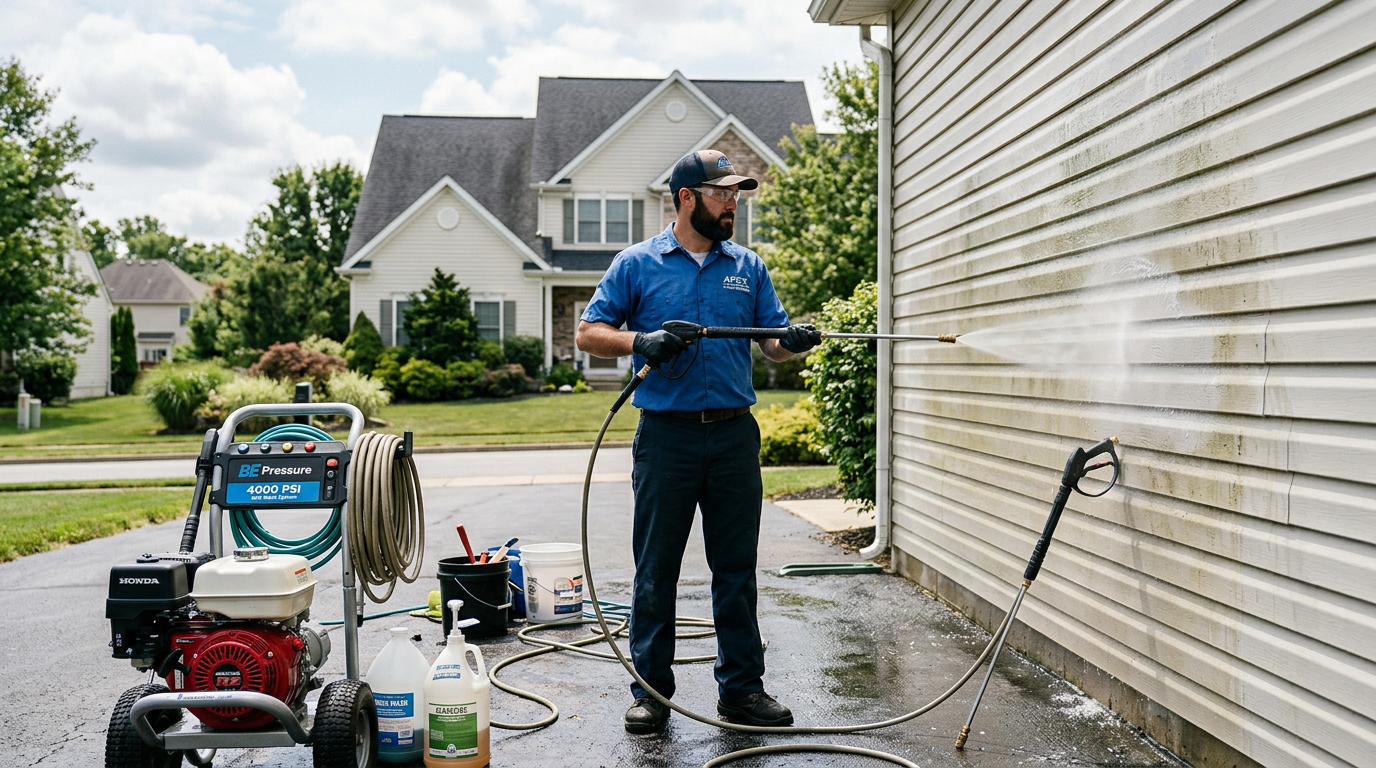
Soft washing is a cleaning method that uses low pressure (under 500 PSI) and specialized chemical solutions to kill organic growth like mold, algae, and lichen. This technique is mandatory for cleaning delicate surfaces such as asphalt shingles, vinyl siding, and dryvit. Attempting to clean a roof with high pressure is a guaranteed way to cause property damage and void homeowner warranties.
The primary active ingredient in soft washing is Sodium Hypochlorite (SH), typically used in concentrations ranging from 1% for siding to 6% for heavily soiled roofs. You must also use a surfactant, which is a soap that helps the chemical cling to vertical surfaces and prevents it from drying too quickly. Proper chemical ratios are the difference between a sparkling clean home and a dead landscape of ruined plants.
Pre-wetting and post-rinsing vegetation is a non-negotiable step in the soft washing process. Always assign time to thoroughly saturate the grass, flowers, and bushes surrounding the structure before applying any chemicals. This dilutes any runoff that hits the soil and protects the homeowner's landscaping, which is the number one source of insurance claims in the exterior cleaning industry.
Concrete and Hardscape Restoration
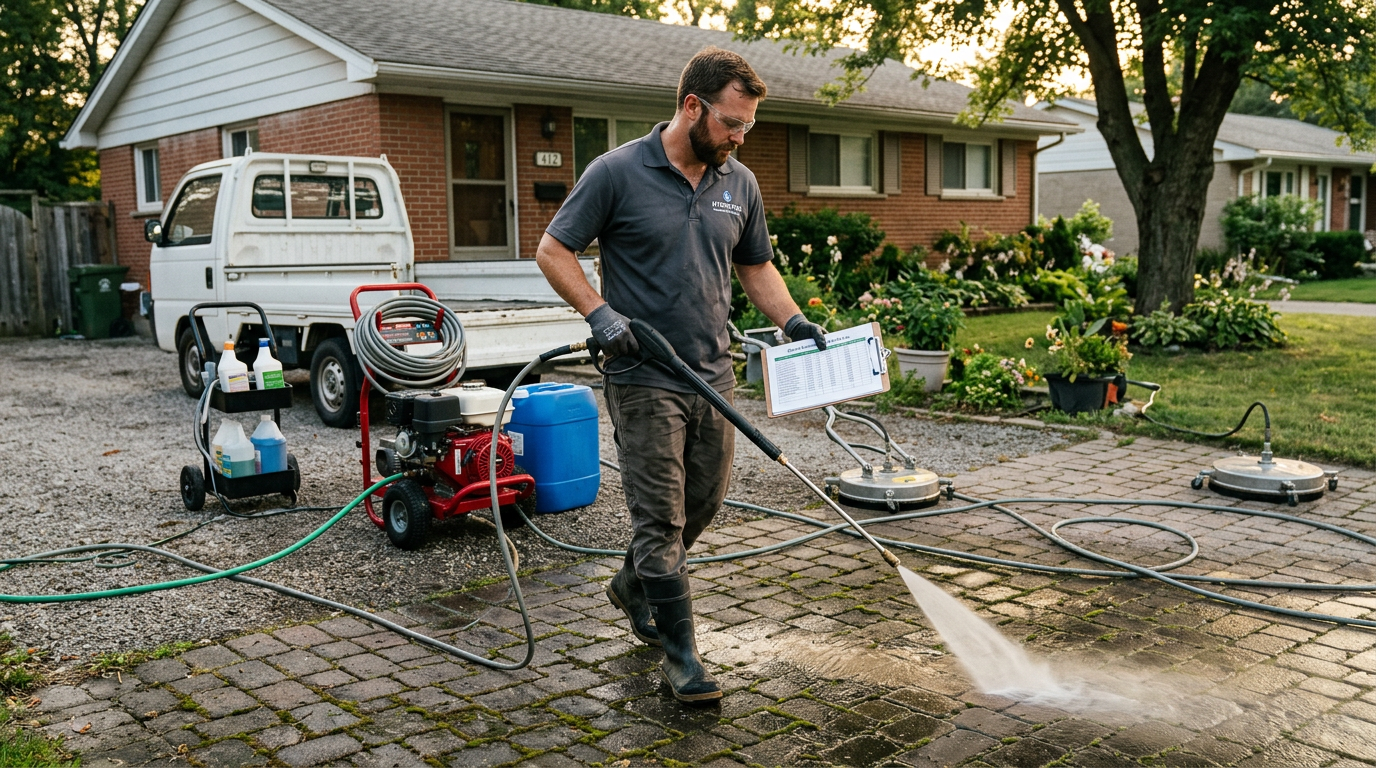
Concrete cleaning requires a combination of high pressure and chemical pre-treatment to achieve professional results. Start by applying a 'house wash' mix to the driveway to kill organic spores deep in the pores of the concrete. Then, use your surface cleaner at a steady pace, overlapping each pass by about two inches to ensure no lines are left behind.
For stubborn oil stains or rust, you will need specialized degreasers or acid-based cleaners like F9 Efflo. These chemicals require specific dwell times and sometimes agitation with a stiff-bristle brush before rinsing. Educating the customer that some stains are permanent 'shadows' is part of managing expectations and maintaining your professional reputation.
Post-treating concrete with a light mist of SH after cleaning is a pro secret that prevents stripes and keeps the surface white for longer. This 'brightening' step kills any remaining microscopic spores and ensures the driveway looks better two days later than it did the moment you finished. This attention to detail is what leads to 5-star reviews and recurring annual maintenance contracts.
Key Takeaway: Always prioritize chemical action over mechanical pressure to prevent property damage and achieve longer-lasting results.
Navigating Legal Requirements and Insurance
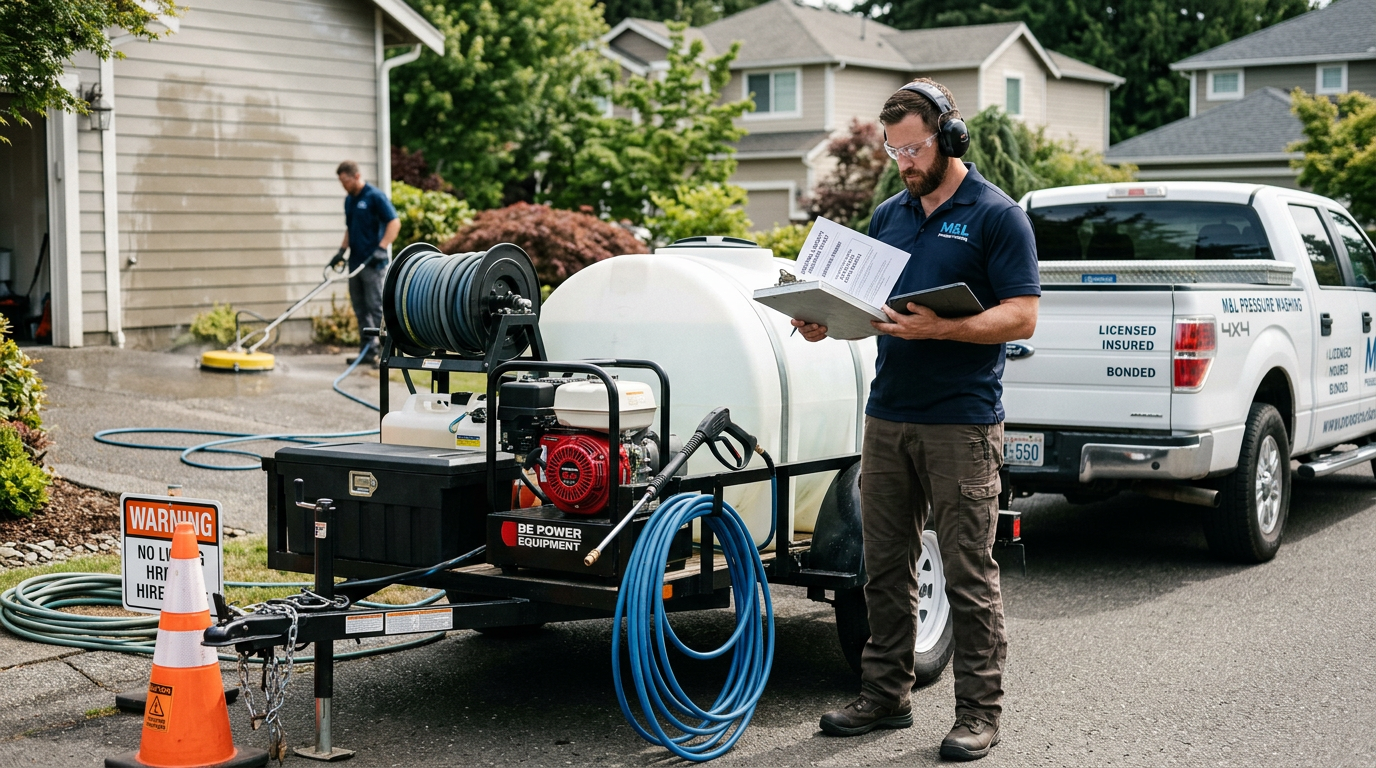
Business Structure and Licensing
Before you spray your first drop of water, you must formalize your business as a legal entity, typically an LLC (Limited Liability Company). This structure protects your personal assets in the event of a lawsuit or business debt. Register your business name with your Secretary of State and obtain an EIN (Employer Identification Number) from the IRS for tax purposes.
Check your local municipal requirements for a general business license and any specific environmental permits. Some regions, particularly in California and Florida, have strict regulations regarding wastewater runoff and require you to use reclaim systems or block storm drains. Ignorance of these laws can lead to thousands of dollars in fines that could instantly end your side hustle.
Opening a dedicated business bank account is essential for tracking your $50K goal and simplifying tax season. Never co-mingle personal and business funds, as this can 'pierce the corporate veil' and negate the legal protections of your LLC. Using professional software to track these expenses will make your life significantly easier when it comes time to file Schedule C.
Essential Insurance Coverage
General Liability insurance is the absolute minimum requirement for any pressure washing professional, with most commercial clients requiring at least a $1,000,000 policy. This covers you if a hose bursts and floods a basement or if a customer trips over your equipment. Expect to pay between $500 and $1,200 per year for this coverage depending on your location and history.
A critical addition to your policy is 'Care, Custody, and Control' (CCC) coverage. Standard liability often excludes the actual item you are working on; for example, if you damage a roof while cleaning it, standard liability might not pay, but CCC will. Always ask your agent specifically about 'property damage' to the surfaces you are cleaning to ensure you aren't left with a $10,000 bill for a damaged deck.
If you plan on hiring even one part-time helper, Workers' Compensation insurance is legally required in most states. Even if you are a solo operator, having 'Inland Marine' insurance is a smart move to cover your expensive equipment if it is stolen from your truck or damaged in a vehicle accident. Being fully insured is a major selling point when bidding against 'low-baller' competitors who operate under the table.
Pro Tip: Always take 'before' photos of existing damage, like cracked siding or blown window seals, and send them to the client via your CRM before starting the job.
Developing a Profitable Pricing Model
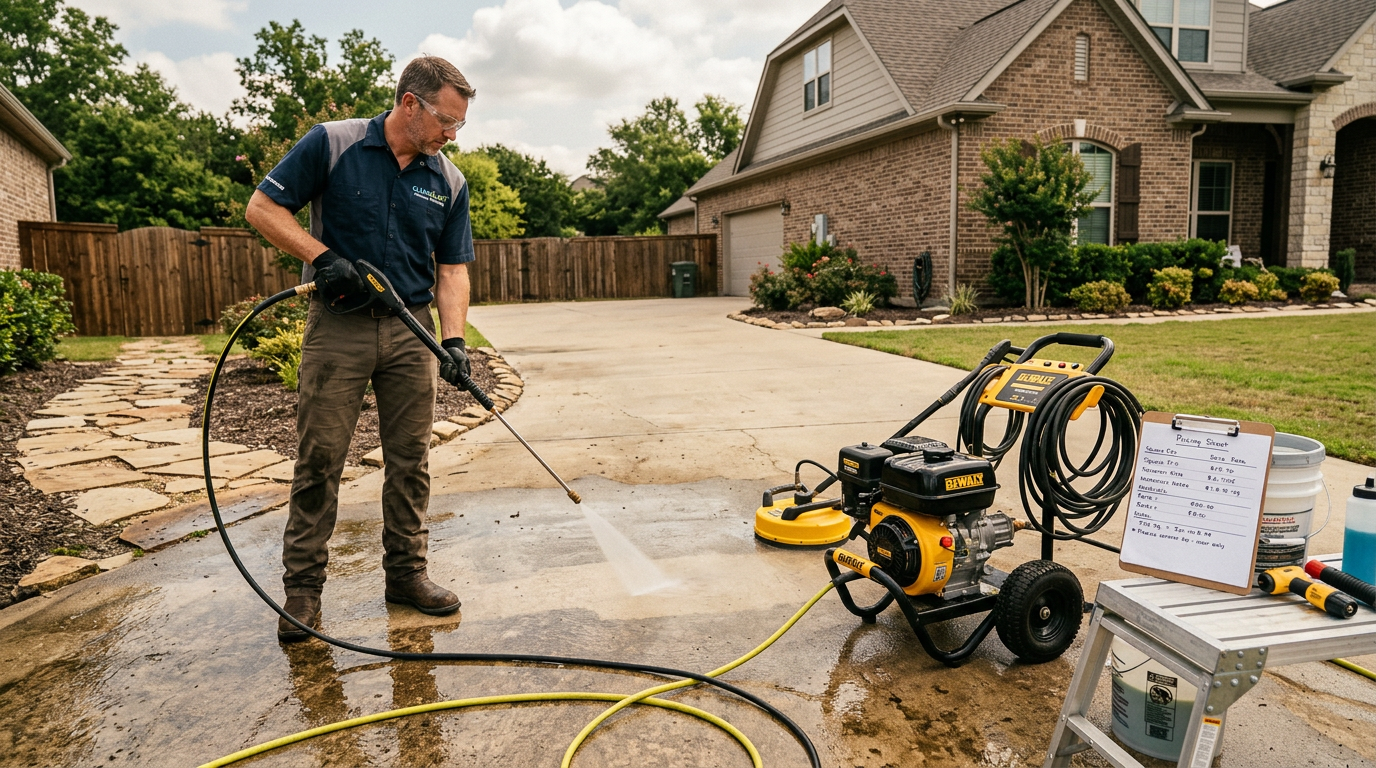
Residential Pricing Strategies
Pricing by the square foot is the most accurate method for driveways and flatwork, with rates typically ranging from $0.15 to $0.25 per square foot. For house washing, many pros prefer a 'per-story' or 'per-linear-foot' model. A standard 2,000-square-foot vinyl siding home usually commands a price between $300 and $450 depending on the level of organic growth.
Avoid the trap of hourly pricing when talking to customers, as it penalizes you for being efficient. If you can clean a $400 house in two hours because you have professional equipment, your effective rate is $200 per hour. If you tell the customer you charge $200 per hour, they may feel it is too high, but they will happily pay $400 for the total value of a clean home.
Always include a 'minimum trip charge' of $150 to $200 to cover your fuel, setup time, and administrative overhead. This prevents you from losing money on tiny jobs like a single sidewalk or a small porch. Bundle smaller tasks into 'Gold' or 'Platinum' packages to encourage customers to spend more while they already have you on-site.
Commercial Bidding and Contracts
Commercial work, such as gas stations, storefronts, and HOA common areas, requires a different approach to pricing and professional presentation. These clients often look for 'per-service' or 'annual contract' pricing and will require a formal professional proposal. Instead of a text message quote, use a platform like Hulo to send a branded, digital estimate that they can sign electronically.
When bidding on commercial parking lots, you must account for the time spent moving vehicles or working during 'off-hours' like 2:00 AM. These jobs often require more expensive degreasers and more water than residential work, so your margins should reflect the increased complexity. However, the recurring nature of commercial contracts provides the 'base' income that makes a $50K side hustle sustainable.
Multi-unit residential complexes (HOAs) are the 'holy grail' for side hustlers because they offer weeks of work in a single location. When bidding these, offer a tiered discount based on the number of units signed up. For example, if 10 neighbors sign up, they all get 15% off, which secures you a $4,000 weekend with zero additional travel time.
| Service Type | Unit of Measure | Price Range |
|---|---|---|
| House Wash (Siding) | Per Sq Ft of Floor Space | $0.15 - $0.22 |
| Driveway Cleaning | Per Sq Ft of Concrete | $0.18 - $0.25 |
| Roof Soft Wash | Per Sq Ft of Roof | $0.35 - $0.60 |
| Gutter Cleaning | Per Linear Foot | $1.50 - $2.50 |
| Deck Restoration | Per Sq Ft (Wash & Seal) | $2.00 - $4.00 |
Average Residential Service Pricing (2026)
Ready to put this into action?
Hulo gives you everything to run your pressure washing business — website, CRM, scheduling, and invoicing. Join the waitlist for V2.
Join the WaitlistBuilding Your Digital Presence and CRM
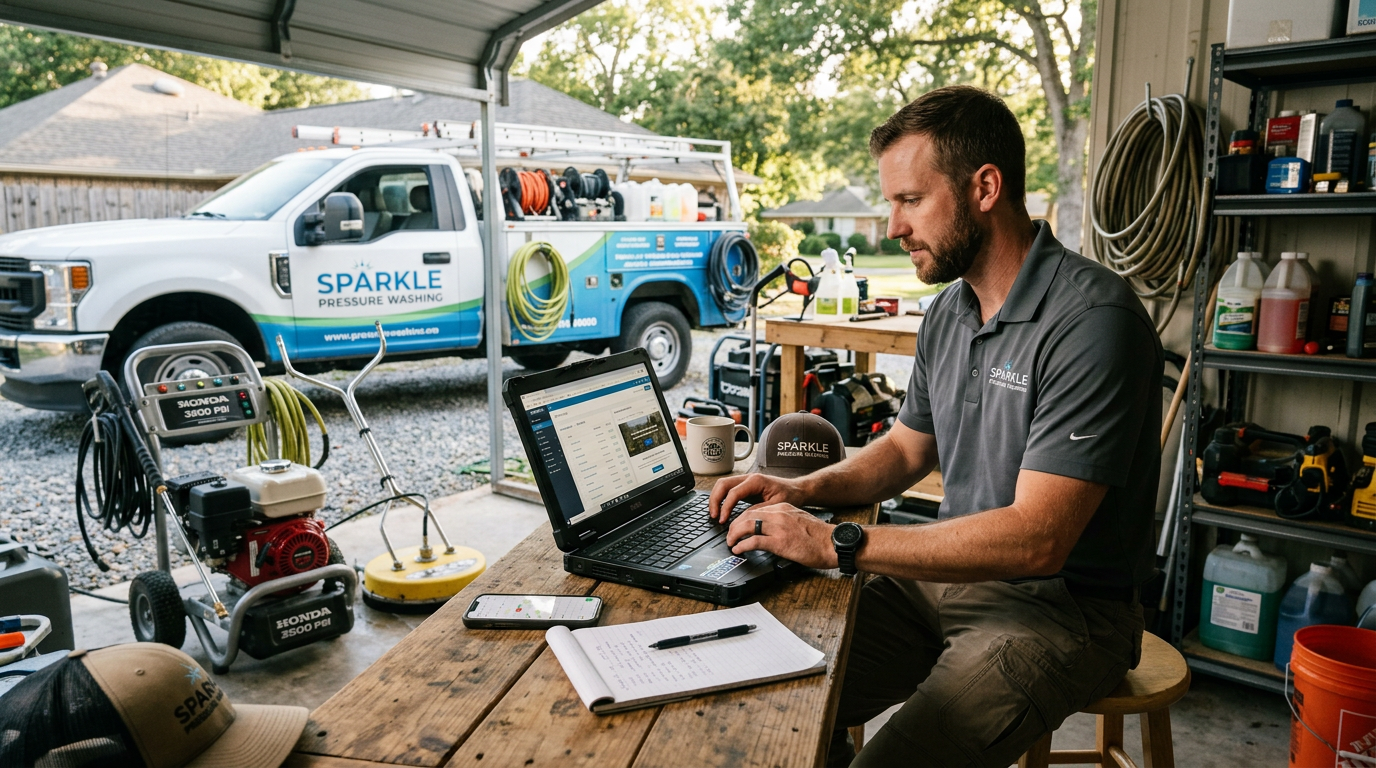
The Necessity of a Professional Website
In 2026, a Facebook page is not enough to win high-quality residential leads or any commercial bids. You need a professional website that serves as your 24/7 salesperson, showcasing your before-and-after photos and list of services. Platforms like Hulo can generate a professional, trade-specific website for your pressure washing business in minutes, ensuring you look established from day one.
Your website must be optimized for mobile devices, as over 80% of homeowners search for local services on their smartphones. Include clear 'Call to Action' buttons like 'Request a Free Quote' on every page to minimize friction. High-quality imagery of your own work—not stock photos—builds immediate trust and proves you can deliver the results you promise.
Local SEO (Search Engine Optimization) is the engine that drives 'free' leads to your site. Ensure your website mentions specific neighborhoods and cities you serve, and keep your Google Business Profile updated with fresh photos every week. A well-structured site integrated with your booking system allows customers to find you, trust you, and book you without a single phone call.
Managing Clients with an All-in-One CRM
As your side hustle grows, managing dozens of leads and customers in a notebook or spreadsheet will lead to missed opportunities. An all-in-one platform like Hulo combines your CRM, scheduling, and invoicing for $49.99/mo, which is significantly cheaper than paying for three separate tools. This allows you to track every customer interaction from the initial inquiry to the final payment.
Automation is your best friend when you are working a full-time job and running a business on the side. Set up automated 'appointment reminders' to reduce no-shows and 'follow-up' emails to ask for reviews after a job is completed. These small touches make you look like a much larger, more professional operation than the guy down the street using a paper receipt book.
Effective invoicing is the final step in the customer journey and the most important for your cash flow. Digital invoices that allow customers to pay via credit card or Apple Pay result in getting paid 3x faster than waiting for a check. By centralizing your operations in a single dashboard, you spend less time on paperwork and more time on the job site earning money.
Key Takeaway: Centralizing your website, scheduling, and invoicing in one platform like Hulo saves hours of admin time each week.
High-Impact Marketing for New Businesses
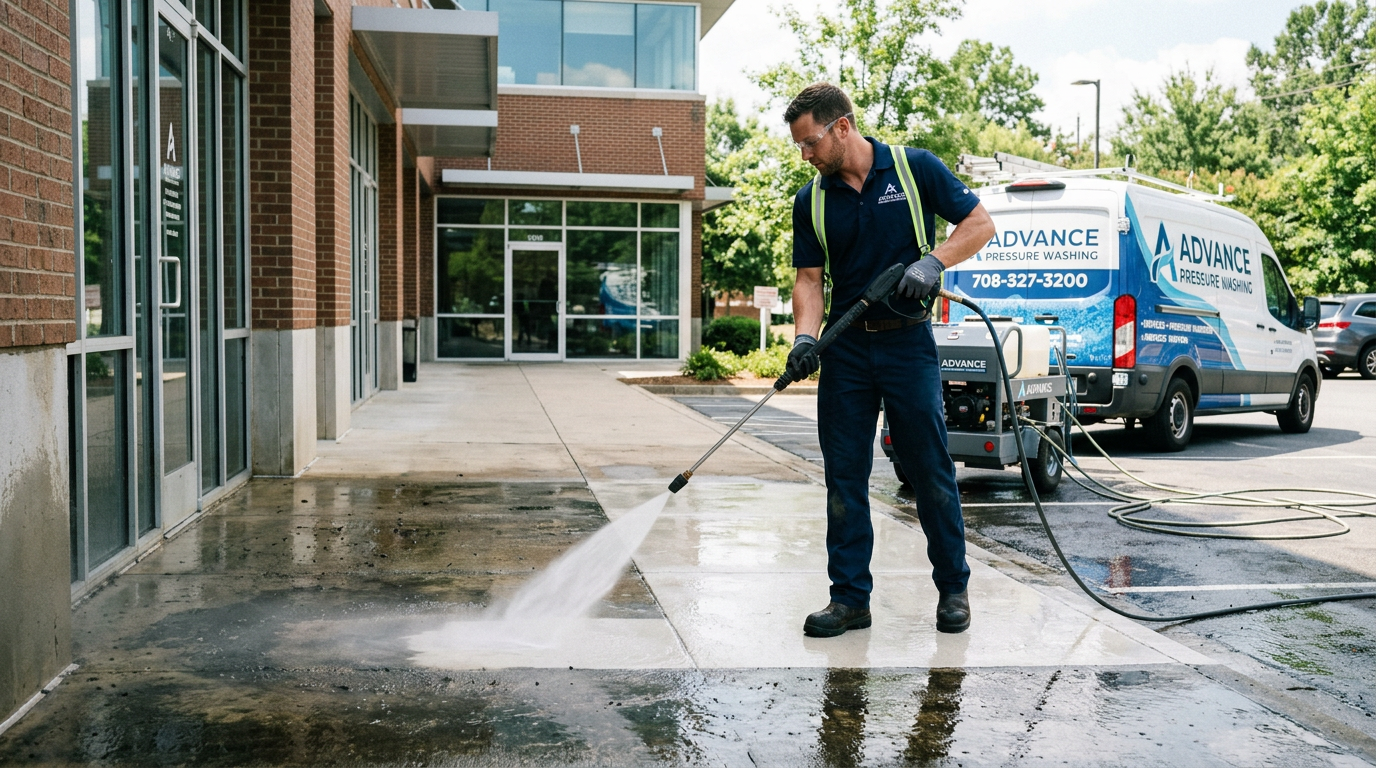
Winning the Neighborhood with Yard Signs
Despite the digital age, high-visibility yard signs remain the most cost-effective marketing tool for pressure washers. Place a sign at the entrance of the neighborhood where you are working and one directly in the client's yard (with permission). A simple sign with 'HOUSE WASHING' in bold letters and your phone number can easily generate two or three calls before you even finish the current job.
The key to yard sign success is consistency and clean design. Use high-contrast colors like yellow and black or white and navy blue, and avoid cluttering the sign with too much text. Think of them as 'mini-billboards' that validate your presence in the community. If a neighbor sees you working and sees your sign, the 'trust barrier' is already 90% broken.
Always pick up your signs at the end of the day or week unless the homeowner agrees to keep it up for a discount. Some HOAs are strict about signs, so always ask the client first to avoid getting them in trouble. This simple, low-tech strategy is often what fuels the initial growth needed to reach that first $10,000 in revenue.
Leveraging Local Services Ads and Reviews
Google Local Services Ads (LSAs) are the 'Google Guaranteed' checkmark ads that appear at the very top of search results. Unlike traditional PPC, you only pay per lead, not per click, making it a very efficient spend for a $50K side hustle. Getting through the background check process takes a few weeks, but the quality of leads is generally higher than any other digital source.
Reviews are the lifeblood of your local reputation and directly impact your ranking in the 'Map Pack.' Make it a standard part of your workflow to ask for a Google review before you leave the driveway. If you've used a CRM to send a digital invoice, you can automate a text message with a direct link to your review page, making it effortless for the customer.
Don't be afraid to ask for 'Before and After' video testimonials for your social media. A 30-second clip of a happy homeowner standing in front of their clean house is worth more than $1,000 in paid advertising. Share these on local Facebook community groups (where allowed) to build a 'neighborhood famous' brand that people recognize and trust.
Pro Tip: Offer a 'Neighbor Discount'—if two neighbors book on the same day, give them both 10% off. It cuts your travel time and doubles your profit per stop.
Managing Daily Operations and Scheduling
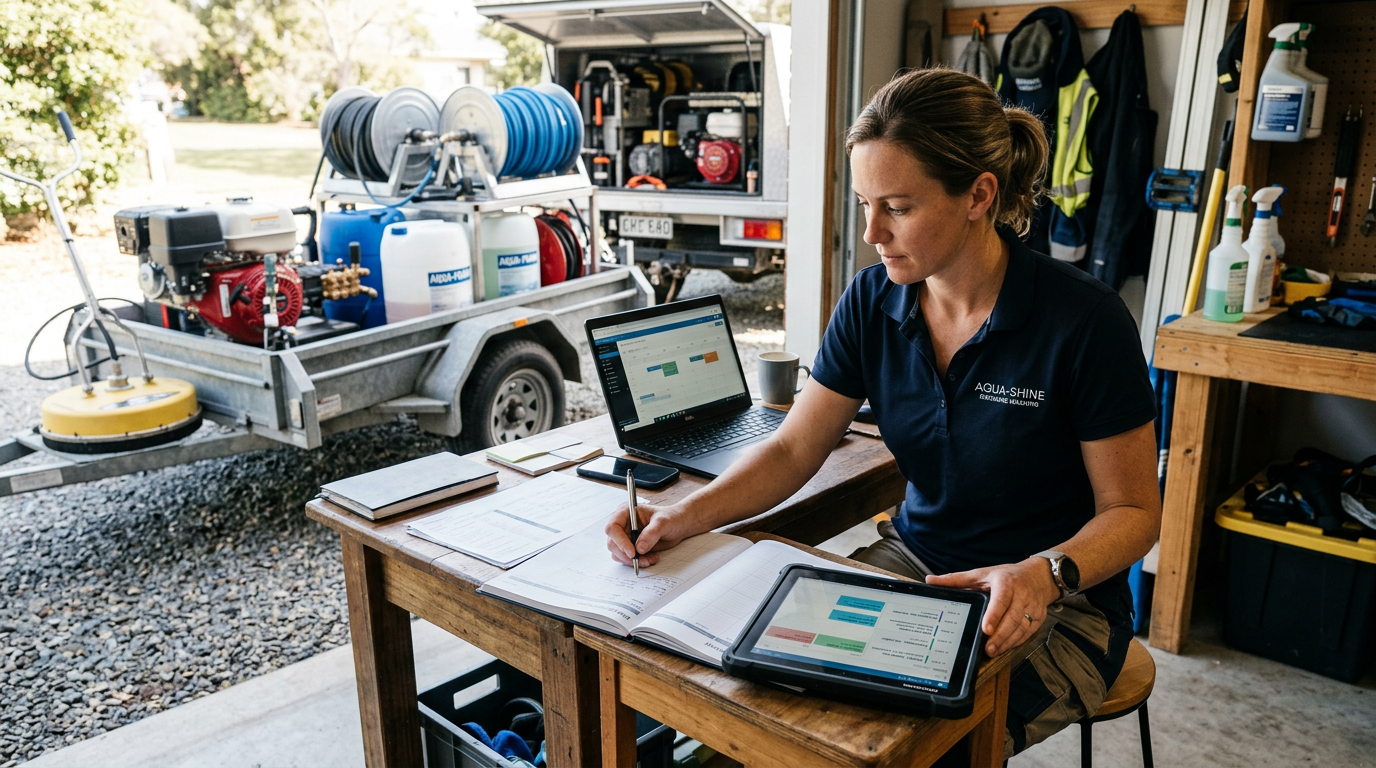
Scheduling Around Weather and Full-Time Work
Running a pressure washing business as a side hustle requires extreme discipline with your calendar. Since you likely only have Saturdays and Sundays available, you must account for 'rain days' that can wipe out your entire weekly income. Always keep a 'buffer day' or a list of evening 'mini-jobs' (like small driveways) that you can use to make up for lost weekend hours.
Communication is your most important tool when weather disrupts the schedule. Using an all-in-one platform like Hulo allows you to quickly mass-message your scheduled clients to inform them of delays and offer rescheduled slots. Most customers are understanding of weather issues as long as you are proactive and professional in your communication.
Route optimization is another factor in operational efficiency. Try to group your jobs geographically to minimize the time spent driving between properties. If you have three jobs in one zip code, you can easily save 90 minutes of drive time, which is enough time to fit in one more small service or get home earlier to your family.
Safety and Property Protection Protocols
Safety should never be sacrificed for speed, especially when working solo. Always wear slip-resistant boots, eye protection, and chemical-resistant gloves when handling SH. Be mindful of overhead power lines when using long extension wands or ladders, and never work on a roof without proper fall protection or a dedicated soft-wash system that allows you to stay on the ladder or ground.
Property protection extends beyond just plants; you must also protect the home's electrical components. Use professional-grade painters' tape and plastic to cover doorbells, outlets, and security cameras before you start spraying. Water intrusion into an outdoor outlet can trip a breaker or, worse, cause an electrical fire, leading to a massive insurance claim and a ruined reputation.
Develop a 'Pre-Flight' checklist that you follow at every single job site. This should include checking for open windows, testing the exterior water tap for flow, and taking photos of any pre-existing damage. Following a consistent system ensures that you don't miss small details that could lead to big headaches after you've already left the property.
20% - 30%
Weather-Related Reschedule Rate
Be prepared to move jobs during rainy seasons; clear communication is key to retaining these clients.
Overcoming Seasonal Challenges and Scaling
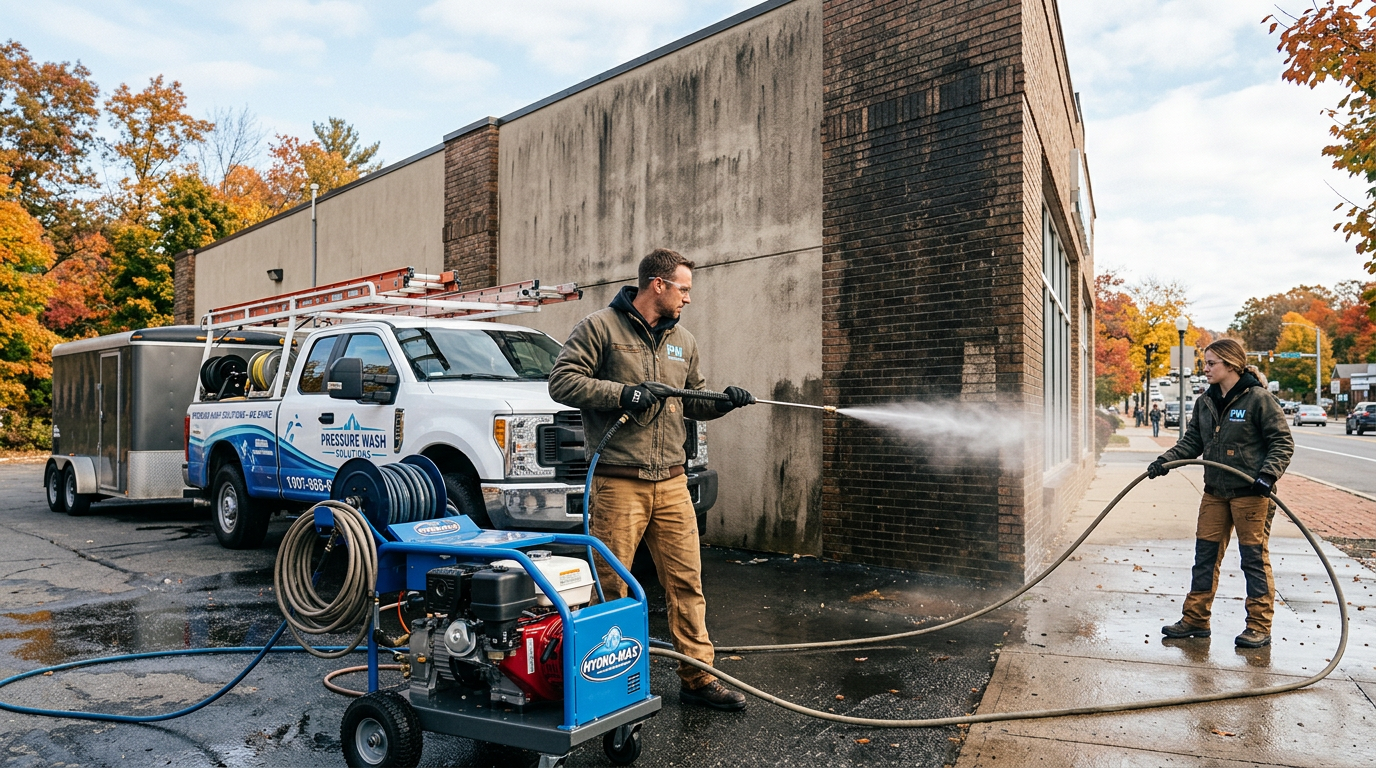
Beating the Winter Revenue Dip
In many parts of the country, pressure washing is a seasonal business that slows down significantly during the winter months. To maintain your $50,000 goal, you need to diversify your services when the temperature drops. Many exterior cleaners pivot to professional Christmas light installation, which commands high margins and uses much of the same ladder and safety equipment.
Another option for winter revenue is gutter cleaning and minor 'dry' exterior repairs. While you may not be able to use water in freezing temperatures, homeowners still need debris removed from their gutters to prevent ice dams. You can also focus on commercial 'fleet washing' for trucking companies, as they need salt and grime removed from their vehicles year-round regardless of the temperature.
Use the 'off-season' to focus on your business administration and marketing for the upcoming spring. This is the perfect time to refine your website, update your CRM data in Hulo, and reach out to commercial property managers for spring cleaning bids. Consistent outreach during the slow months ensures that your schedule is completely booked the moment the first warm week of March arrives.
Hiring and Moving to Full-Time
Once your side hustle consistently generates more than $4,000 per month, you may face the 'capacity wall' where you can no longer grow without help. Hiring your first part-time technician allows you to double your output or step back into a strictly sales and management role. Look for someone with a clean driving record and a strong work ethic; you can teach the washing, but you can't teach the reliability.
Transitioning to full-time requires a 'cash cushion' of at least three to six months of living expenses. Before quitting your day job, ensure your lead generation systems (like your Hulo-powered website and Google Ads) are producing a predictable volume of inquiries. Scaling from one truck to two is often the hardest jump, as it requires moving from 'owner-operator' to 'business manager.'
Maintain your high standards as you scale by creating 'Standard Operating Procedures' (SOPs) for every task. Whether it's how to mix chemicals or how to talk to a customer, having a written guide ensures that your brand quality remains consistent even when you aren't the one holding the wand. This systemization is what transforms a side hustle into a sellable asset or a multi-generational family business.
Wrapping Up
Starting a pressure washing business is a proven path to financial independence and a rewarding way to build a $50K side hustle in 2026. By focusing on professional-grade equipment, mastering soft wash techniques, and maintaining a high level of customer service, you can quickly stand out in a crowded market. Success in this trade isn't just about how well you clean; it's about how well you manage your business. Utilizing all-in-one tools like Hulo to handle your website, scheduling, and invoicing will give you the professional edge needed to win bigger jobs and grow your business with confidence.
Frequently Asked Questions
How much does it cost to start a pressure washing business in 2026?
A professional startup typically costs between $3,000 and $6,000. This covers a 4 GPM machine, a surface cleaner, basic chemicals, and your first year of insurance. Using an all-in-one platform like Hulo for $49.99/mo helps keep your initial software and marketing costs low while providing a professional website and CRM.
Do I need a license to start pressure washing?
Most states require a general business license (LLC), but some also require specific environmental permits for wastewater runoff. Always check with your local city or county clerk to see if there are specific 'mobile wash' or 'contractor' licenses required in your area. Additionally, ensure you have General Liability insurance to protect your business legally.
Is pressure washing a profitable side hustle?
Yes, pressure washing is highly profitable with hourly rates often exceeding $100. By working just 10-15 hours a week on weekends, many operators can generate $50,000 in annual revenue. The key is using efficient equipment and professional software like Hulo to manage leads and invoicing so you don't waste time on admin work.
How do I price my pressure washing services?
Most pros price residential concrete at $0.18–$0.25 per square foot and house washing at $0.15–$0.22 per square foot of floor space. It is important to have a minimum trip charge of at least $150 to ensure every job is worth your time and fuel. Using a digital bidding tool within your CRM makes it easy to send professional, accurate quotes to customers instantly.
What is the difference between pressure washing and soft washing?
Pressure washing uses high-pressure water (3,000+ PSI) for hard surfaces like concrete, while soft washing uses low pressure (under 500 PSI) and chemicals to clean delicate surfaces like roofs and siding. Soft washing is safer for the home and more effective at killing organic growth like algae and mold. Using the wrong method can lead to expensive property damage and insurance claims.
Do I need separate software for scheduling, invoicing, and my website?
No—modern all-in-one platforms like Hulo bundle your professional website, CRM, scheduling, and invoicing into a single $49.99/mo subscription. This is far more cost-effective and efficient than paying for 3-4 separate tools, allowing you to run your entire business from one dashboard. It simplifies your workflow and ensures you never lose track of a lead or an unpaid invoice.
Ready to Launch Your $50K Pressure Washing Business?
Get your professional website, CRM, and invoicing system all in one place with Hulo for just $49.99/mo.
Join the WaitlistMore from the Blog
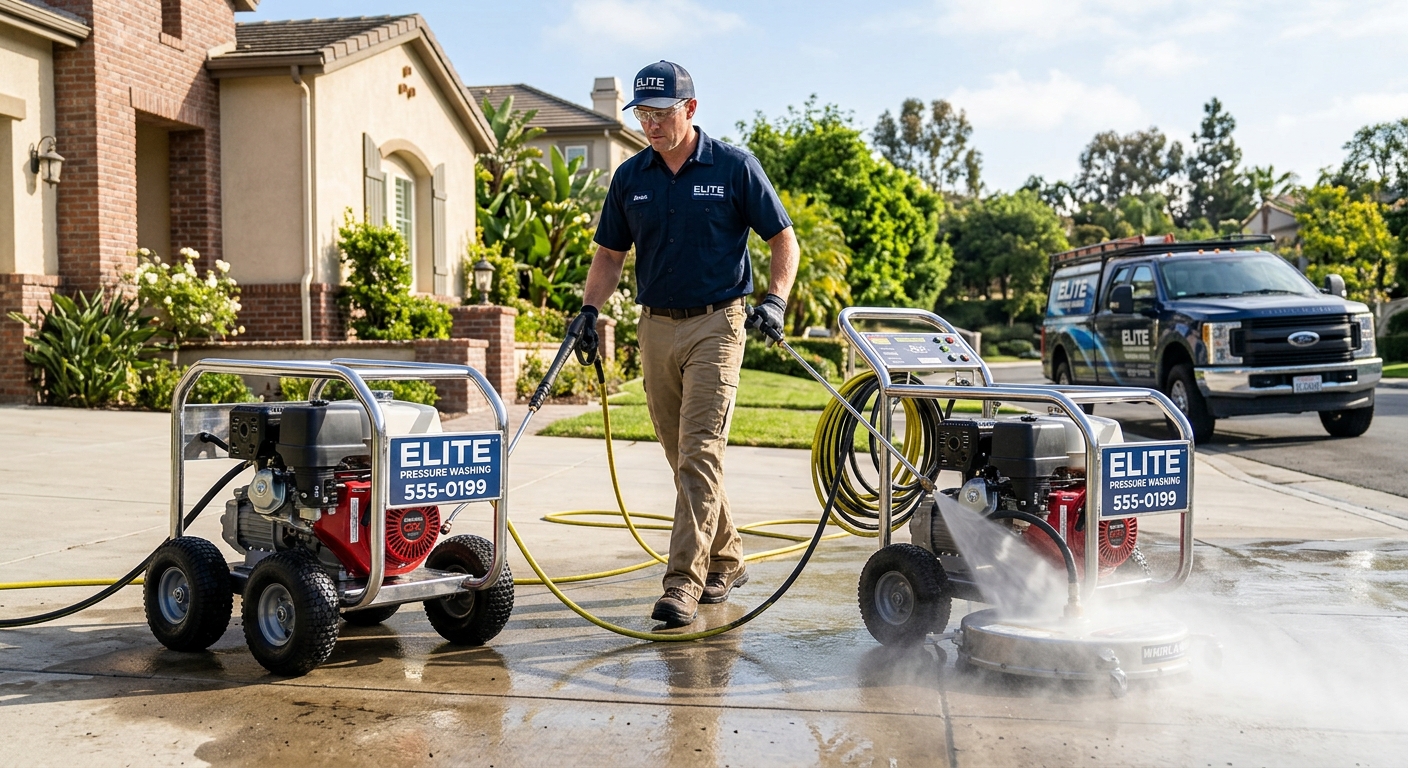
9 Expert Tips for the Best Pressure Washer for Starting a Business (2026)
The best pressure washer for starting a business is a gas-powered unit delivering at least 4.0 GPM (gallons per minute) ...
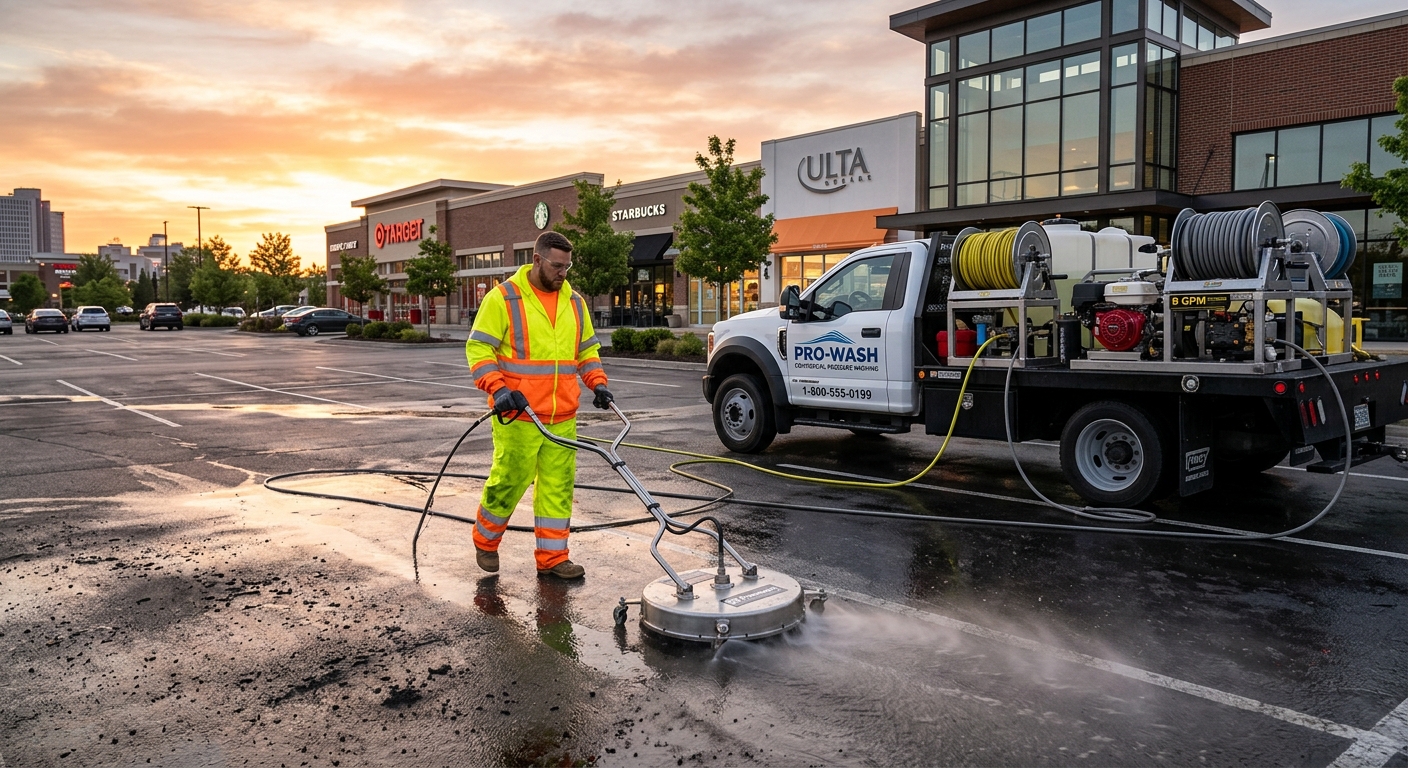
9 Actionable Ways to Bid Commercial Pressure Washing Jobs for Contractors (2026)
Bidding commercial pressure washing jobs requires calculating your square footage rate, typically between $0.10 and $0.5...
How to Price Pressure Washing Jobs: Complete Pricing Guide (2026)
In 2026, the exterior cleaning industry has moved far beyond the 'guy with a truck' mentality, evolving into a data-driv...