How to Start an HVAC Business: Licensing, Costs & First Customers (2026)
15 min read·Updated March 12, 2026The HVAC industry is currently undergoing its most significant transformation in decades, with the market projected to reach a valuation of $36.7 billion by 2030. In 2026, the transition to high-efficiency heat pumps and the industry-wide adoption of A2L refrigerants like R-454B have created a massive opportunity for tech-savvy technicians to step out on their own. While the demand for climate control is evergreen, the gap between traditional 'old school' shops and modern, efficient operations has never been wider. This guide provides a comprehensive roadmap for the aspiring HVAC entrepreneur to navigate licensing, manage significant startup capital, and build a customer base that sustains year-round profitability.
Table of Contents
Market Analysis and Niche Identification
Residential vs. Commercial Specialization
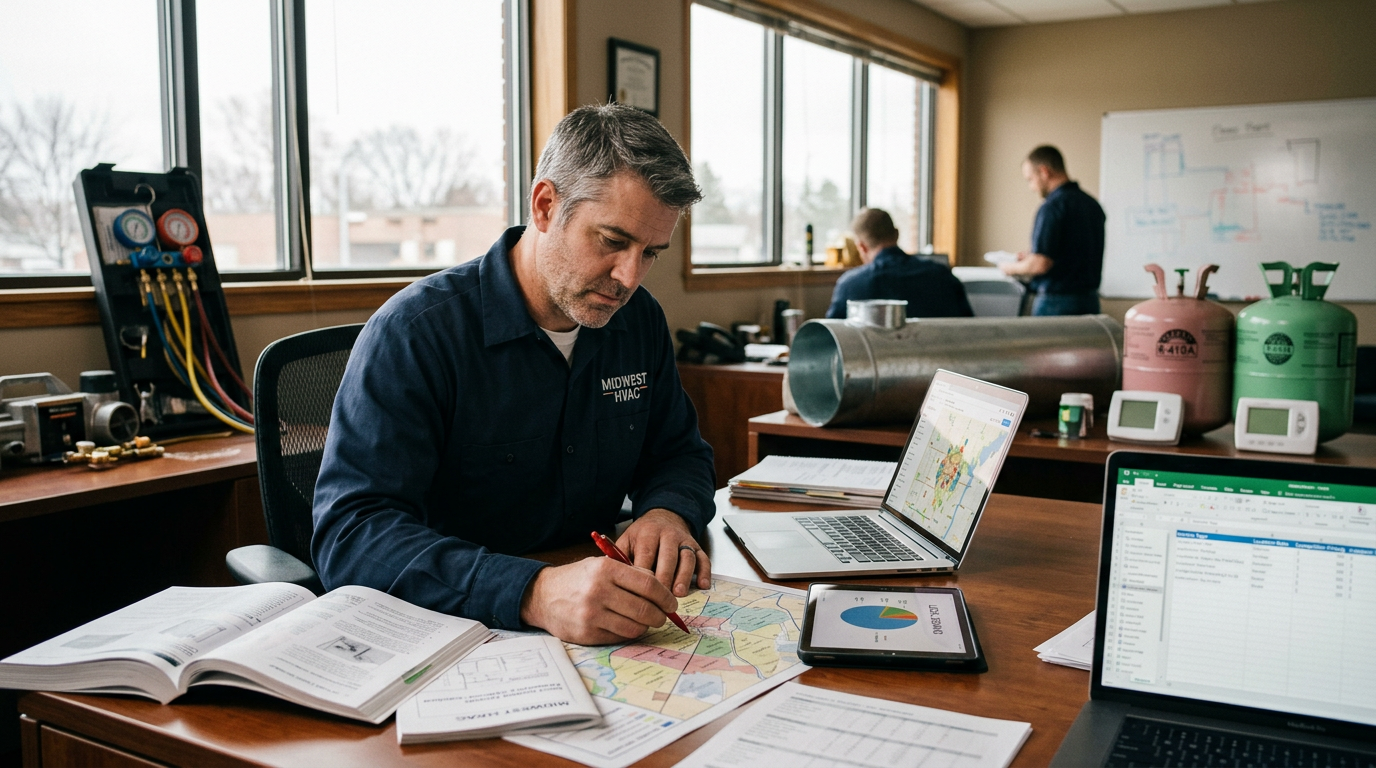
Choosing between residential and commercial HVAC services is the first critical decision that dictates your inventory, equipment, and marketing strategy. Residential work typically offers higher margins on smaller jobs, focusing on furnace installations, AC repairs, and indoor air quality (IAQ) upgrades for homeowners. This niche requires high-touch customer service and the ability to handle seasonal spikes in emergency repair calls during extreme weather events.
Commercial HVAC, on the other hand, involves larger-scale rooftop units (RTUs), chillers, and complex building automation systems (BAS). While the sales cycle is significantly longer and requires competitive bidding, the contracts are often more lucrative and provide steady, predictable income through large-scale preventative maintenance agreements. Most new owners start in the residential sector to minimize initial overhead before expanding into light commercial work as their crew grows.
In 2026, a growing 'middle ground' niche is multi-family housing and high-efficiency retrofits. With new federal tax credits for heat pump installations reaching up to $2,000, many contractors are finding success by specializing exclusively in electrification. By focusing on a specific niche, you can streamline your training and inventory, ensuring your techs are experts in one area rather than 'jacks of all trades' who struggle with complex diagnostics.
Analyzing Local Competition and Pricing
Before launching, you must perform a deep dive into your local competitors, ranging from 'one-man-in-a-van' operations to large-scale franchise giants. Large franchises often dominate the local Google Service Ads (LSA) with massive budgets, but they frequently struggle with personalized service and technician turnover. You can compete by offering specialized expertise, such as high-end duct design or advanced filtration systems that the 'box-movers' tend to ignore.
Pricing transparency is becoming a major differentiator in the 2026 HVAC market. Use a flat-rate pricing model rather than hourly billing to provide homeowners with immediate certainty and to protect your margins against unforeseen job site complications. Your flat rate should account for a 40% to 50% gross profit margin to cover overhead costs, including insurance, fuel, and the rising cost of specialized refrigerants.
Research the average labor rates in your specific zip codes to ensure you aren't leaving money on the table or pricing yourself out of the market. In metropolitan areas, service call fees typically range from $89 to $150, which is often credited toward the final repair if the customer moves forward. Understanding these local benchmarks allows you to build a pro-forma financial statement that reflects the reality of your specific service area.
5.5%
Annual Industry Growth
The HVAC services market is growing steadily due to aging infrastructure and new energy efficiency regulations.
Key Takeaway: Identify a specific niche like high-efficiency heat pump retrofits to capitalize on current tax incentives and differentiate yourself from generalist competitors.
Licensing Certifications and Legal Framework
Mastering the EPA 608 Certification
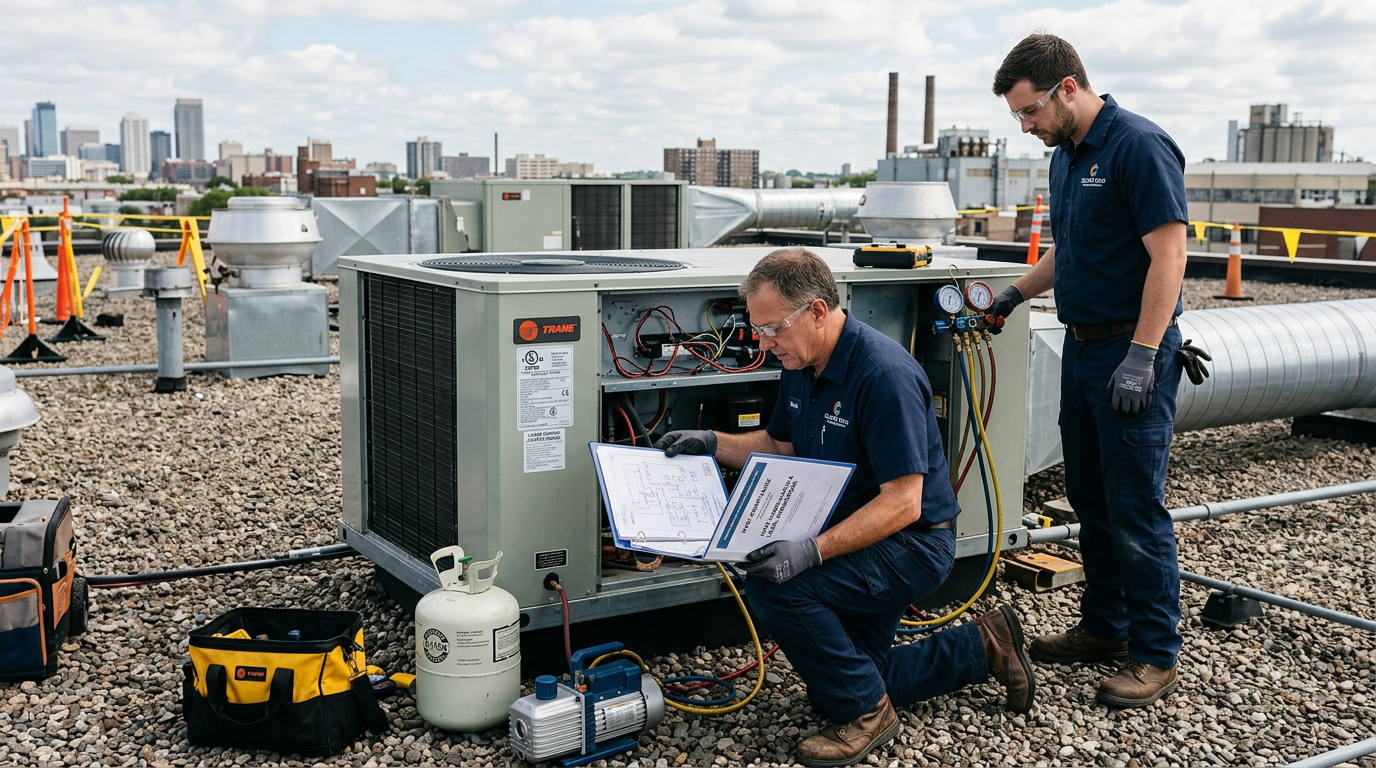
Every HVAC business owner and technician must hold a valid EPA Section 608 Technician Certification to handle, recover, or purchase regulated refrigerants. For a business owner, obtaining the 'Universal' certification is highly recommended, as it covers small appliances, high-pressure systems, and low-pressure systems. In 2026, the EPA has increased enforcement of record-keeping for refrigerant reclamation, making it vital to have a system for tracking every ounce of gas used.
Failure to comply with EPA regulations can result in catastrophic fines of over $44,000 per violation per day. Beyond the legal requirement, holding a Universal certification signals to your customers and insurers that you are a professional who prioritizes environmental safety. Ensure all your employees' certifications are kept on file and displayed on your website to build trust with high-end residential and commercial clients.
As the industry moves toward A2L mildly flammable refrigerants, staying updated on the latest safety protocols is mandatory. Many states now require additional 'Flammable Refrigerant' training modules as part of the continuing education for license renewal. Investing in this training early prevents your team from being sidelined as older R-410A systems are phased out in favor of newer, more efficient models.
State and Local Trade Licensing
HVAC licensing requirements vary wildly between states, with some requiring a 'Master Mechanical' license while others only require a general contractor's registration. States like Texas and Florida have rigorous testing requirements that include years of documented field experience and a comprehensive exam covering the International Mechanical Code (IMC). You must verify whether your state requires a separate license for electrical work related to HVAC installations.
In addition to trade licenses, you will need a standard business license from your city or county to operate legally. Many municipalities also require a specific 'Mechanical Permit' for every new installation or major equipment replacement you perform. Building a strong relationship with local building inspectors can streamline this process and prevent costly delays on high-stakes projects like furnace change-outs in the dead of winter.
Don't overlook the importance of being bonded and insured, which is often a prerequisite for obtaining your license. A standard package should include General Liability (at least $1M/$2M limits), Workers' Compensation, and Professional Liability (Errors & Omissions). This coverage protects your personal assets if a technician accidentally triggers a fire during brazing or if a newly installed unit leaks and causes water damage.
| Requirement | Authority | Approx. Cost | Renewal Frequency |
|---|---|---|---|
| EPA 608 Universal | Federal (EPA) | $150 - $250 | Lifetime |
| State Mechanical License | State Board | $300 - $1,000 | 1-2 Years |
| NATE Certification | Industry Body | $200 per exam | 2 Years |
| General Liability Insurance | Private Provider | $1,500 - $4,000 | Annual |
| Commercial Auto Insurance | Private Provider | $2,000 - $5,000 | Annual |
Common HVAC Licensing and Certification Requirements
Calculating Startup Costs and Capital Requirements
Essential Tools and Equipment Inventory
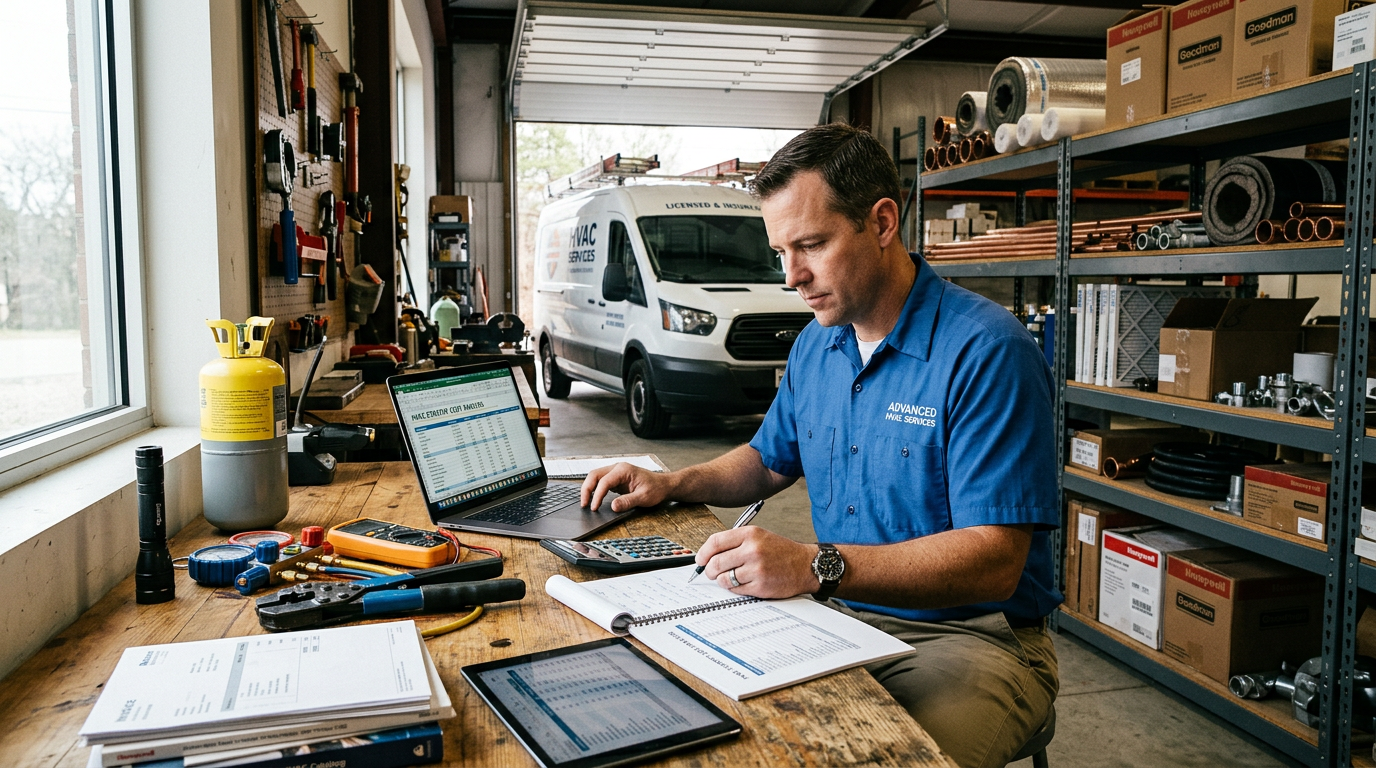
The initial investment in tools is one of the highest barriers to entry in the HVAC trade. A professional setup requires high-quality diagnostic tools like digital manifolds (e.g., Fieldpiece SM480V), vacuum pumps, and refrigerant recovery machines. You cannot cut corners on these items; cheap tools lead to inaccurate readings, longer diagnostic times, and potential call-backs that eat your profit margins.
Beyond diagnostics, you need heavy-duty installation equipment including a combustion analyzer for furnace work, a high-quality brazing torch kit, and a various sheet metal tools for custom ductwork. Expect to spend between $10,000 and $15,000 just on the initial tool load-out for one service van. Maintaining an organized 'truck stock' of common capacitors, contactors, and motors is also essential to ensure high 'first-time fix' rates.
In 2026, investing in smart diagnostic tools that sync with your phone is no longer optional. Tools like the Testo 550s allow you to generate professional reports on-site, which you can immediately email to the customer to justify a repair or replacement. This level of professionalism justifies your premium pricing and helps you compete with larger companies that use similar technology.
The Service Vehicle and Mobile Office
Your service van is both your primary tool and your most visible billboard. A reliable, late-model cargo van like a Ford Transit or Mercedes Sprinter is the industry standard, offering enough vertical space for shelving and equipment storage. While a used van can save you $20,000 upfront, a new van with a warranty prevents the devastating downtime of a mechanical failure during your busiest season.
Professional vehicle wrapping is a mandatory marketing expense, typically costing between $2,500 and $4,500. A clean, high-contrast wrap with your logo, phone number, and a clear call to action can generate dozens of leads just by being parked in a customer's driveway. Ensure your branding is consistent across your van, your uniforms, and your digital presence to build a recognizable local brand.
Managing the 'mobile office' side of the business requires a tablet for every technician and a robust software stack. Instead of juggling separate tools for your website, client management, and invoicing, all-in-one platforms like Hulo let you run everything from a single dashboard for just $49.99/mo. This minimizes your administrative overhead and ensures you never lose a lead or forget to send an invoice.
$35,000
Minimum Launch Capital
Covers a used van, basic tool set, initial marketing, and 3 months of operating expenses.
Pro Tip: Buy your primary recovery machine and vacuum pump new to ensure they meet the latest A2L refrigerant safety standards; used equipment may not be compatible with newer gases.
Building Your Digital Presence and Operations
Professional Website and Local SEO
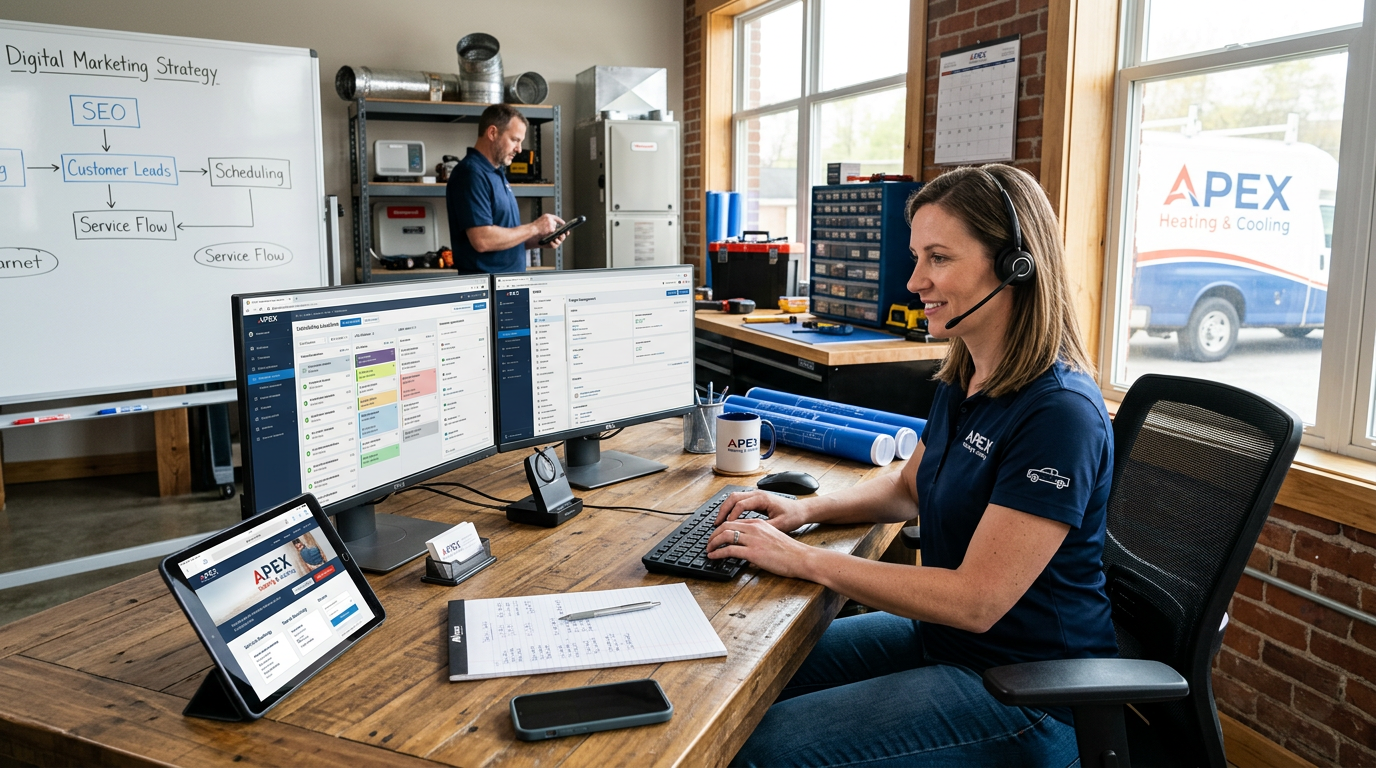
In 2026, 90% of homeowners find their HVAC contractor through a Google search, making your website your most important salesperson. Your site must be mobile-responsive, load in under 3 seconds, and feature clear 'Book Now' buttons to capture high-intent traffic. Having a professional website is non-negotiable—tools like Hulo can generate one for your HVAC business in minutes, ensuring you look established from day one.
Local SEO is the lifeblood of residential HVAC; you need to rank for terms like 'AC repair near me' and 'emergency furnace service.' This involves optimizing your Google Business Profile with high-quality photos of your work, responding to every review, and ensuring your Name, Address, and Phone (NAP) data is consistent across the web. Content marketing, such as blog posts about 'How to change your MERV 11 filter,' can also help build authority and drive organic traffic.
Don't ignore the power of video on your website and social media channels. A simple 30-second clip of a technician explaining a common issue or showing a clean installation can significantly increase conversion rates. Customers want to see the people who will be entering their homes, so humanizing your brand through digital content is a massive competitive advantage.
Implementing a CRM and Scheduling System
As soon as you have more than five customers, managing your business via paper or spreadsheets becomes a liability. A dedicated CRM (Customer Relationship Management) system allows you to track service history, store equipment model numbers, and automate follow-up reminders. When a customer calls three years after an install, you should be able to instantly see that they have a 3-ton Goodman unit with a specific filter size.
Efficient dispatching is what separates profitable HVAC companies from those that struggle. Your software should allow you to group calls geographically to minimize drive time and fuel costs. Platforms like Hulo combine your website, CRM, scheduling, and invoicing in one place for under $50/mo, making it easy to see your entire day's schedule on a single map view. This prevents double-booking and ensures your techs are always on the most efficient route.
Automated notifications are a standard expectation for modern homeowners. Your system should send a 'Tech is on the way' text with a photo of the technician and a tracking link. This simple feature reduces 'no-shows,' improves customer safety perceptions, and sets the stage for a 5-star review before the technician even knocks on the door.
Key Takeaway: Consolidate your website, scheduling, and invoicing into one platform early on to avoid the 'software spaghetti' that slows down growing trade businesses.
Ready to put this into action?
Hulo gives you everything to run your hvac business — website, CRM, scheduling, and invoicing. Join the waitlist for V2.
Join the WaitlistMarketing Strategies for First Customers
Google Local Services Ads (LSA)
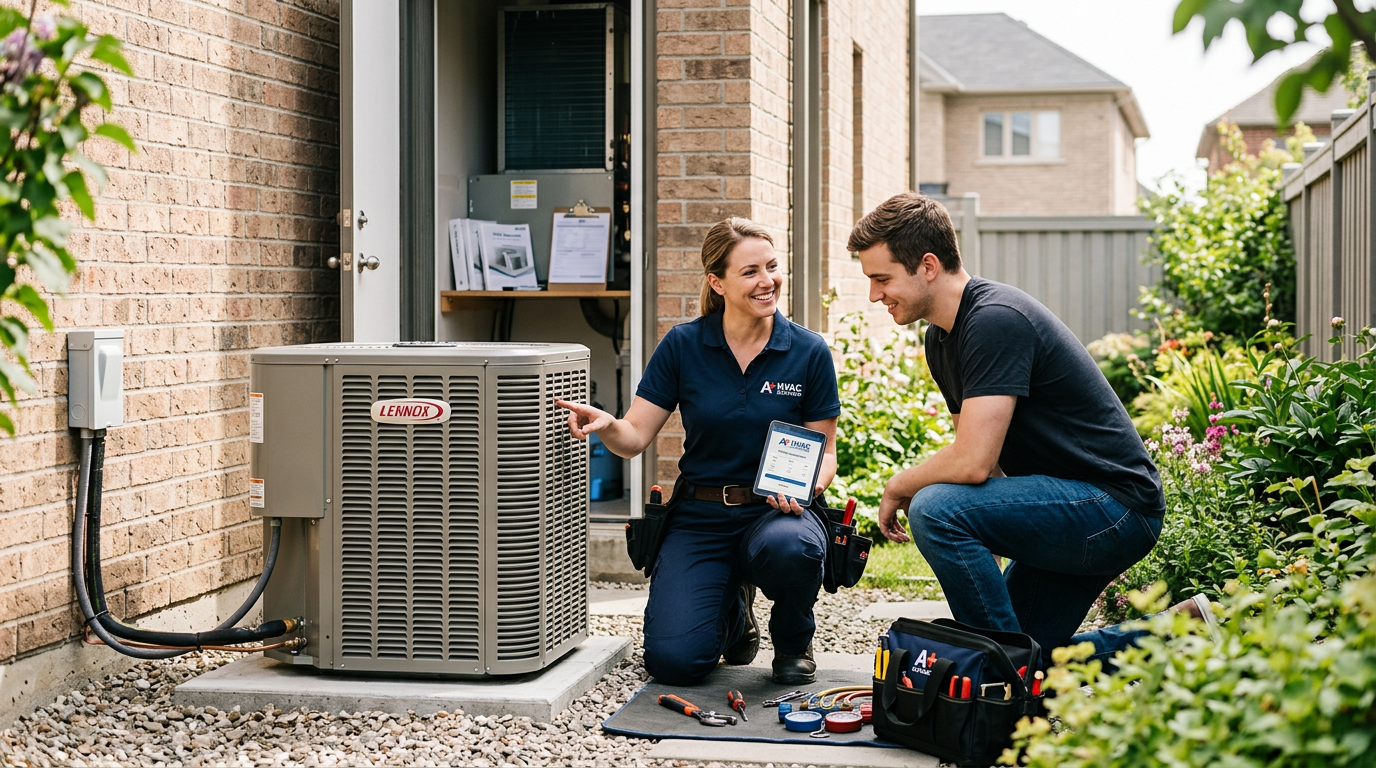
For a new HVAC business, Google Local Services Ads (the 'Google Guaranteed' program) are the fastest way to generate high-quality leads. Unlike traditional PPC where you pay per click, LSAs charge you per lead, meaning you only pay when a potential customer actually calls or messages you. The 'Google Guaranteed' badge also provides a $2,000 lifetime coverage for your work, which builds instant trust with skeptical homeowners.
To succeed with LSAs, you must maintain a high responsiveness rate and actively solicit reviews from every completed job. Google's algorithm favors companies that answer their phones and have a steady stream of fresh, positive feedback. Set a monthly budget of at least $1,000 for LSAs in your first three months to prime the pump and get your first 20-30 customers through the door.
Track your 'Cost Per Lead' (CPL) religiously to ensure your marketing spend is sustainable. In the HVAC industry, a CPL of $30 to $80 is common, but with a high conversion rate on service calls, this is an excellent return on investment. If your CPL exceeds $100, you may need to refine your target zip codes or improve your phone intake process to ensure you aren't wasting opportunities.
Direct Mail and Neighborhood Farming
While digital marketing is dominant, physical direct mail still works exceptionally well for HVAC, especially when targeting specific neighborhoods with older homes. Sending 'oversized' postcards with a clear seasonal offer—such as a '$69 AC Tune-Up' in the spring—can trigger homeowners to address maintenance they've been procrastinating. Target homes that are 10-15 years old, as these are the prime candidates for full system replacements.
Door hangers and 'Five-Around' flyers are low-cost ways to expand your presence. When you finish a job, your tech should place flyers on the doors of the two houses on either side and the three houses across the street. This 'neighborhood farming' approach works because neighbors often see your branded van and are more likely to trust a contractor who is already working on their street.
Partnering with complementary trades can also provide a steady stream of referrals. Build relationships with local plumbers, electricians, and roofers who don't offer HVAC services. You can create a formal referral program where you pay a flat fee for any lead that turns into a full system installation, creating a win-win scenario for both small business owners.
| Channel | Cost Level | Speed of Results | Lead Quality |
|---|---|---|---|
| Google LSAs | High | Instant | Very High |
| SEO/Organic | Medium | Slow (6-12 mo) | High |
| Direct Mail | Medium | Moderate | Medium |
| Facebook Ads | Low | Fast | Low to Medium |
| Referrals | Low | Slow | Very High |
Comparison of HVAC Lead Generation Channels
Maximizing Revenue with Maintenance Contracts
Designing Profitable Service Agreements
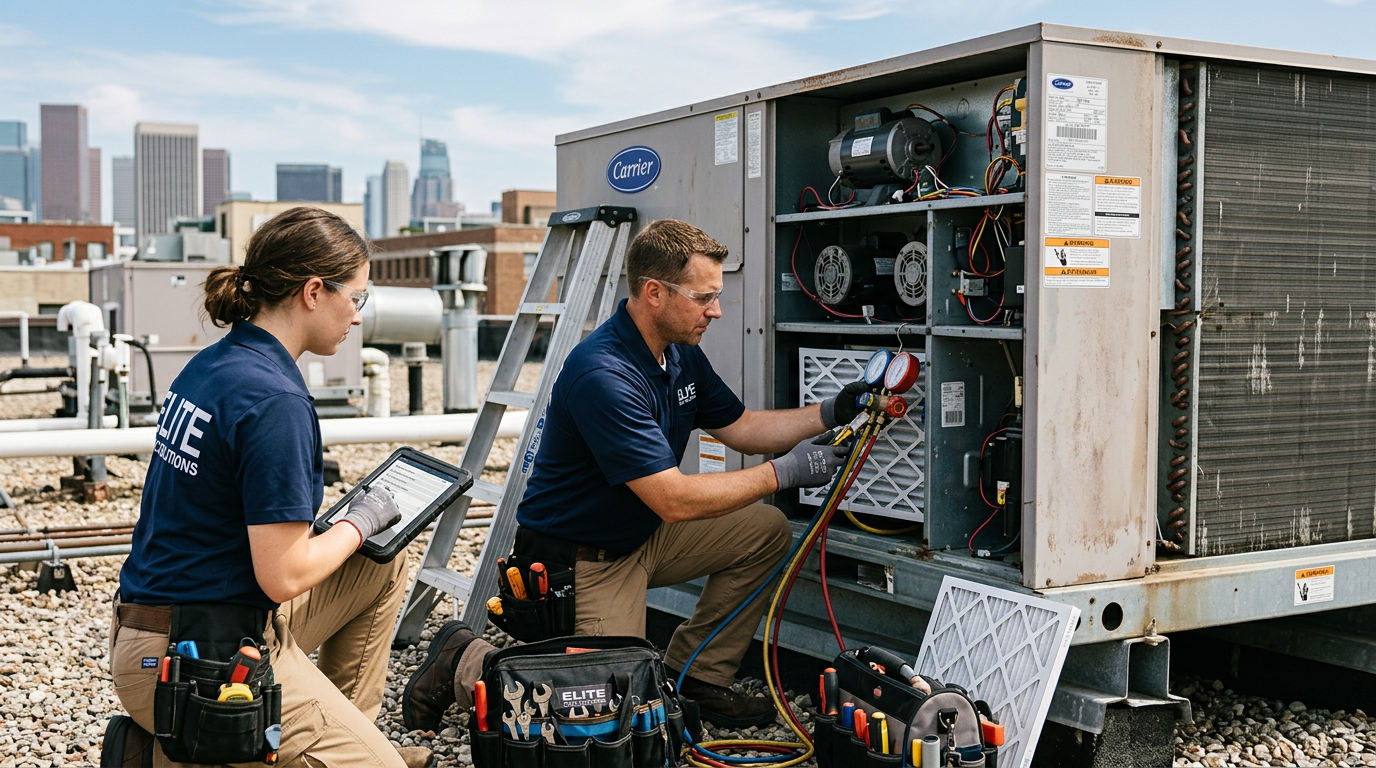
Maintenance contracts, often called 'Service Agreements' or 'Comfort Clubs,' are the secret to surviving the 'shoulder seasons' of spring and fall. A typical plan costs between $15 and $25 per month and includes two precision tune-ups per year, priority scheduling, and a 10-15% discount on repairs. This recurring revenue provides a financial floor for your business during months when the weather is mild and emergency calls drop off.
The real value of these contracts isn't the monthly fee; it's the 'right of first refusal' on equipment replacements. When a system in your maintenance program finally fails, 85% of customers will choose you for the replacement because you already have an established relationship. This dramatically lowers your customer acquisition cost for high-ticket $10,000+ installations.
Automating the renewal and billing process for these contracts is vital to prevent them from becoming an administrative nightmare. Using a platform like Hulo allows you to set up recurring invoices and automated scheduling reminders, so your customers never feel forgotten. This 'set it and forget it' approach ensures high retention rates and a predictable cash flow year-over-year.
Training Techs for Ethical Upselling
Your service technicians are your primary sales force, but they must be trained to upsell ethically based on system performance and safety. During a routine maintenance visit, techs should use tools like static pressure gauges and thermal imaging to show customers exactly where their system is failing. Providing 'Good, Better, Best' options for repairs or upgrades allows the customer to feel in control of the decision-making process.
Focus on Indoor Air Quality (IAQ) as a secondary revenue stream during maintenance visits. Products like UV lights, whole-home humidifiers, and high-efficiency MERV 13 media filters are easy to install and offer significant health benefits to the customer. Training your techs to ask about allergies or dust levels can lead to high-margin add-on sales that significantly increase the average ticket price.
Implement an incentive program for your technicians that rewards them for identifying replacement opportunities or selling new maintenance contracts. However, ensure the incentives are tied to customer satisfaction scores to prevent aggressive or dishonest sales tactics. A technician who focuses on education rather than 'hard selling' will build a loyal customer base that stays with your company for decades.
Pro Tip: Offer a 'Free First Year' of maintenance with every new system installation to get customers into your ecosystem immediately.
Key Takeaway: Aim to have at least 200 maintenance contract members within your first two years to ensure your overhead is covered even during the slow seasons.
Financial Management and Scaling Your Crew
Mastering Cash Flow and Profit Margins
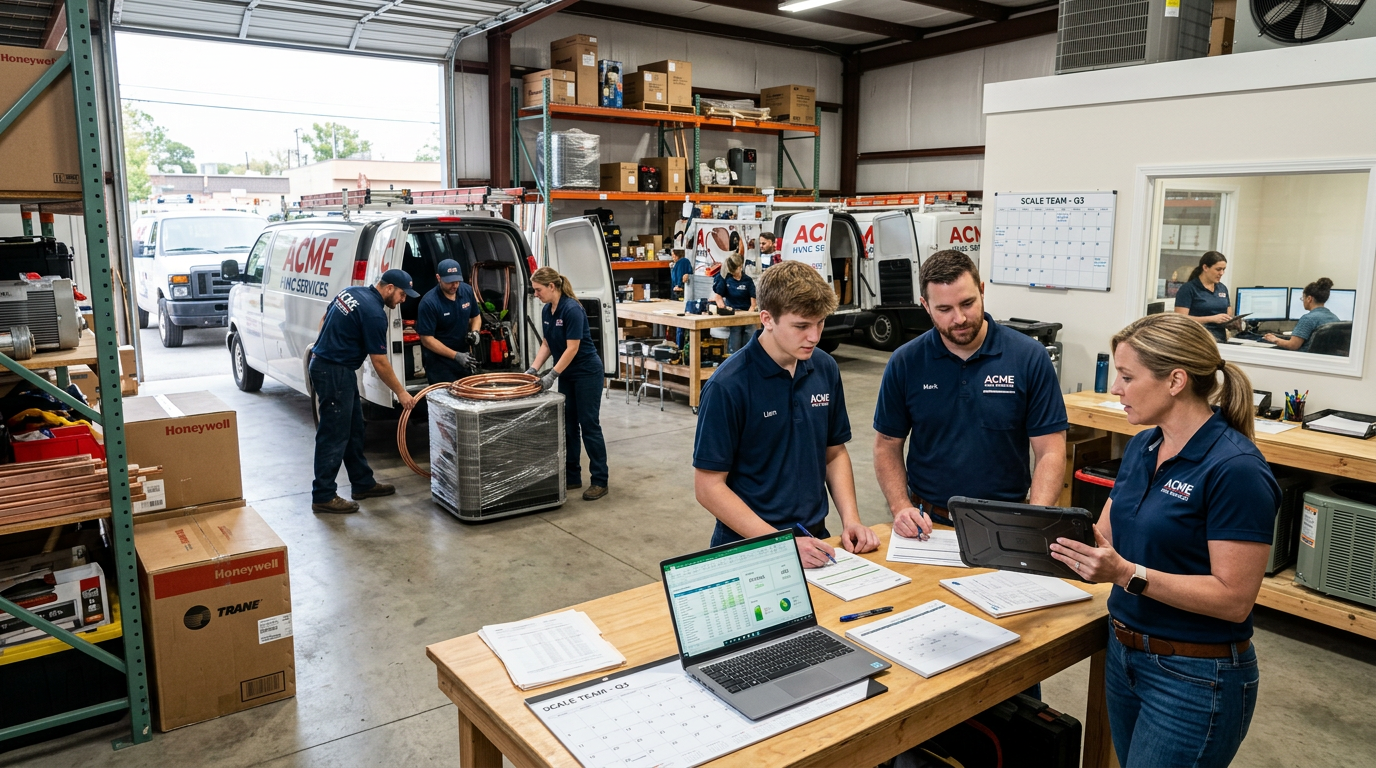
In the HVAC business, cash is king, especially when you are paying upfront for expensive equipment like 5-ton condensers or high-efficiency furnaces. You must implement a policy of collecting payment at the time of service for all residential repairs. For larger installations, require a 50% deposit upfront to cover the cost of materials, with the remaining balance due upon completion of the job.
Monitor your 'Gross Profit Per Man-Hour' to ensure your jobs are priced correctly and your crew is working efficiently. A healthy HVAC business should aim for a gross margin of 40% to 50% on service and 25% to 35% on new installations. If your margins are slipping, look for 'hidden' costs like excessive drive time, unbilled shop time, or wasted materials that aren't being captured on invoices.
Set aside at least 10% of every dollar earned into a 'tax and emergency' fund. The seasonal nature of HVAC means you will have months of high revenue followed by lean periods. Having a cash reserve allows you to keep your best technicians on the payroll during the slow months, which is much cheaper than recruiting and training new staff when the heat wave hits in July.
Hiring and Retaining Top Talent
The biggest bottleneck to scaling an HVAC business is the nationwide shortage of skilled technicians. To attract the best, you must offer more than just a competitive hourly wage; provide a clear career path, paid training, and modern tools. In 2026, top-tier techs also value work-life balance, so offering flexible scheduling or '4-day work weeks' during the off-season can be a major draw.
When hiring your first employee, look for a 'Lead Installer' who can work independently and represent your brand professionally. As the owner, your time is better spent on high-level sales, marketing, and business strategy than on a roof brazing linesets. Hiring an office manager or using a virtual receptionist service can also free up 10-15 hours of your week by handling inbound calls and basic scheduling.
Invest in continuous education for your team to keep up with changing technology. Manufacturers like Daikin, Mitsubishi, and Carrier offer specialized training for their inverter-driven systems and VRF technology. A highly trained crew reduces the number of costly call-backs and allows you to take on more complex, higher-paying jobs that your competitors might shy away from.
20% - 35%
Average Net Profit Margin
For well-managed HVAC companies that utilize modern scheduling and flat-rate pricing.
Wrapping Up
Starting an HVAC business in 2026 is a challenging but incredibly rewarding path to financial independence. By focusing on high-efficiency technology, mastering your local licensing requirements, and implementing a flat-rate pricing model, you can build a company that thrives in any economy. Success in this trade requires a balance of technical expertise and modern business management. To give your new business the best possible start, leverage all-in-one tools like Hulo to manage your professional website, scheduling, and invoicing for one low monthly price, allowing you to focus on what you do best: keeping your community comfortable.
Frequently Asked Questions
What are the total startup costs for an HVAC business in 2026?
A lean startup can launch for approximately $15,000 to $25,000 if you already own a vehicle and basic hand tools. However, a fully professional launch with a branded van, high-end diagnostics, insurance, and initial marketing usually requires $35,000 to $50,000. It is essential to have at least three months of operating capital in reserve to handle the seasonal fluctuations of the trade.
Do I need separate software for scheduling, invoicing, and my website?
No—modern all-in-one platforms like Hulo bundle your professional website, CRM, scheduling, and invoicing into a single $49.99/mo subscription. This is significantly more cost-effective than paying for 3-4 separate tools, which can easily cost $300/mo or more. Using a unified system also prevents data errors and ensures a seamless experience for your customers from booking to payment.
How do I get my first 10 HVAC customers?
The fastest way is through Google Local Services Ads (LSAs) and reaching out to your personal network. Offering a heavily discounted 'Safety Inspection' or 'Tune-Up' can get you into homes where you can then build trust and identify larger repair needs. Additionally, ensuring your business is listed on Google Maps with a professional website, like one built through Hulo, will capture local homeowners searching for immediate help.
What is the most profitable HVAC niche to start in?
High-efficiency residential heat pump retrofits are currently the most profitable niche due to federal tax credits and high consumer demand for electrification. While commercial work offers larger contracts, the high overhead and long payment cycles can be difficult for new businesses. Specializing in indoor air quality (IAQ) upgrades as an add-on to residential service is another high-margin strategy.
What insurance do I need for an HVAC business?
At a minimum, you need General Liability insurance (usually $1M/$2M limits) to cover property damage or bodily injury. You will also need Commercial Auto insurance for your service vehicles and Workers' Compensation if you hire any employees. Some states also require a 'Contractor's Bond' to guarantee your work meets local building codes and regulations.
How long does it take for a new HVAC business to become profitable?
Most HVAC businesses can reach break-even within 6 to 12 months if they focus heavily on service and maintenance contracts. High-ticket installation jobs can provide large cash infusions, but consistent profitability relies on managing overhead and maintaining a high 'first-time fix' rate. Using efficient software like Hulo to manage your operations from day one helps minimize administrative costs and accelerates your timeline to profitability.
Ready to Launch Your HVAC Business?
Get your professional website, CRM, and scheduling tools all in one place with Hulo for just $49.99/mo.
Join the WaitlistMore from the Blog
7 Smart Ways to Evaluate Housecall Pro vs Jobber for HVAC Contractors (2026)
Housecall Pro is generally the superior choice for HVAC businesses focusing on advanced sales automation and detailed pe...
11 Expert Facts on How Much Do HVAC Technicians Make for Contractors (2026)
HVAC technicians in 2026 earn an average annual salary of $58,420 to $74,150, with hourly rates typically ranging from $...
11 Smart Ways How to Bid HVAC Jobs for Contractors (2026 Guide)
To bid HVAC jobs accurately, you must first calculate your total overhead, burdened labor rate, and desired profit margi...